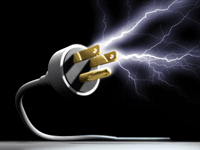
A preventable electrical injury occurs in the workplace every 23 minutes.
Jim White, training director for Shermco Industries, Inc., a Dallas-based electrical power systems test and maintenance company, has developed this list of 10 tips for keeping workers safe from shocks, burns, and electrocution on the job:
10 tips for electrical safety
- Develop a zero-tolerance policy toward energized work. Get serious about "no hot work." This includes conducting an electrical hazard analysis for energized work. Fine and discipline violators.
- Get out in the field or plant and see what your workers are doing. (aka "management by walking around").
- Develop checklists or other ways to track who is qualified to perform which tasks. Some businesses use job-task analyses to provide a blueprint of employees' activities.
- Train your employees. To be qualified to perform any task, workers must know the construction, operation, and hazards associated with the equipment they're using. Make supervisors responsible for knowing what employees can – and can't – do safely.
- Develop safe work practices and procedures. Practices such as energized electrical work permits, clearance procedures, and switching orders can help prevent accidents and can help document that the right steps were taken. These precautions become especially important in case of an accident.
- Perform periodic safety audits. When workers know that they'll be subject to random audits, they'll try to maintain safe work procedures and practices. Remember: what gets measured, gets done.
- Conduct job briefings any time the scope of the work changes significantly and when new or different hazards are present.
- Be cautious about implementing safety awards programs, especially if they might discourage accident reporting.
- Become familiar with industry standards. Examples include with NFPA 70E and the IEEE (Institute of Electrical and Electronics Engineers) Guide for Performing Arc Flash Hazard Calculations.
- Document everything. If you don't have it in writing, you never did it. Show a good-faith effort; OSHA will notice – and compliance could save you big dollars and legal penalties.
For related insurance information that may apply to electrical work and facilities, see Electric Services Insurance and Electrical Products Manufacturing Insurance.
If you want to review coverage options with a representative, talk to an agent.
Frequently Asked Questions
How often should electrical safety training be conducted?
Training frequency depends on job risk, but annual refresher training plus additional sessions when tasks or equipment change is a common practice.
What is an energized electrical work permit?
It is a documented authorization that outlines why energized work is necessary and the steps and safeguards required to perform it safely.
When should a job briefing be held?
Hold a job briefing whenever the scope changes, new hazards are introduced, or before any non-routine energized tasks.
Why document safety procedures and audits?
Documentation shows a good-faith effort to maintain safety, helps identify trends, and provides evidence of compliance if incidents occur.