Overview
Most U.S. drivers are required to carry auto insurance, but a significant minority drive uninsured. Colliding with an uninsured or underinsured driver can leave you responsible for medical bills, lost wages, and repair costs. Carrying the right coverages on your policy helps protect you and your passengers after a crash and can reduce the risk of uncovered expenses.
Consider reviewing your policy for uninsured and underinsured motorist protections and learning how those coverages work in your state.
Key takeaways
- Uninsured Motorist (UM) and Underinsured Motorist (UIM) coverages help protect you if the at-fault driver lacks adequate insurance.
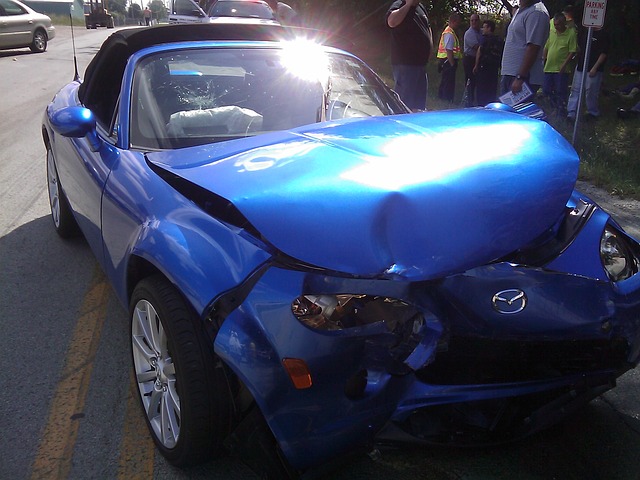
- Uninsured Motorist Property Damage (UMPD) can pay to repair your vehicle when the other driver has no coverage, subject to state rules and limits.
- Document every accident carefully and report it to your insurer to preserve coverage rights and claim options.
How it works
Uninsured Motorist bodily injury coverage typically pays for medical expenses, lost wages, and related costs when the other party has no liability insurance or in hit-and-run situations. If the at-fault driver has minimal limits that aren’t enough to cover your damages, your Underinsured Motorist coverage can make up the difference.
State laws and policy language vary, so review specific wording on limits, stacking options, and whether medical payments or personal injury protection apply. For a focused overview of available options, see Uninsured Motorist (UM/UIM) Coverage.
What it may cover (and what it may not)
UM/UIM bodily injury commonly covers hospital bills, rehabilitation, and some portion of lost income for you and your passengers. UMPD can cover vehicle repair costs when the other driver is uninsured, though hit-and-run coverage rules differ by state.
These coverages generally do not pay for property damage beyond the vehicle unless a policy explicitly includes that protection, and there are often deductibles or limits that apply. Read your policy or ask your agent about state-specific restrictions and exclusions.
Common mistakes to avoid
One frequent error is failing to report an accident because the other driver asks you not to. Not reporting can void your ability to claim under your own policy and leave you legally and financially exposed.
Another mistake is assuming the minimum state-required limits are sufficient; low limits may leave large gaps in protection. Also avoid delaying medical attention or documentation—early records and photos help if you later file a claim or need to prove fault.
Questions to ask an agent
When reviewing coverages, ask about the limits and whether UM and UIM benefits can be stacked across vehicles or household policies.
Clarify whether UMPD is included or available where you live and whether hit-and-run incidents are covered. If you need assistance finding affordable options for required coverages, you can look into specialized programs like Uninsured/SchoolProUSA Program for targeted help.
If you want to compare quotes or update your policy, you can talk to an agent to review options and limits that match your budget and risk tolerance.
Next steps
Document any recent accidents and pull your current policy so you can compare existing limits against likely costs of a serious injury or total loss.
Review options for UM, UIM, and UMPD and consider raising limits where possible; for more coverage types that may apply in recreational contexts, see Uninsured Boater Coverage.
Create a plan to update your policy or contact an agent to implement changes that reduce your exposure to uninsured drivers.
Frequently Asked Questions
What is the difference between uninsured and underinsured motorist coverage?
Uninsured motorist coverage pays when the at-fault driver has no insurance; underinsured coverage pays the gap when their limits are too low to cover your damages.
Will my insurance pay if I’m hit by a hit-and-run driver?
Some uninsured motorist coverages include hit-and-run protection, but state rules and policy terms determine whether such claims are payable and whether a deductible applies.
Should I always buy Uninsured Motorist Property Damage (UMPD)?
UMPD can be valuable where many drivers are uninsured, but availability and benefits vary by state, so consult your policy and agent before deciding.
What should I document at the scene of an accident with an uninsured driver?
Get names, phone numbers, driver license and plate numbers, photos of damage and the scene, witness information, and a clear account of who was driving and what happened.