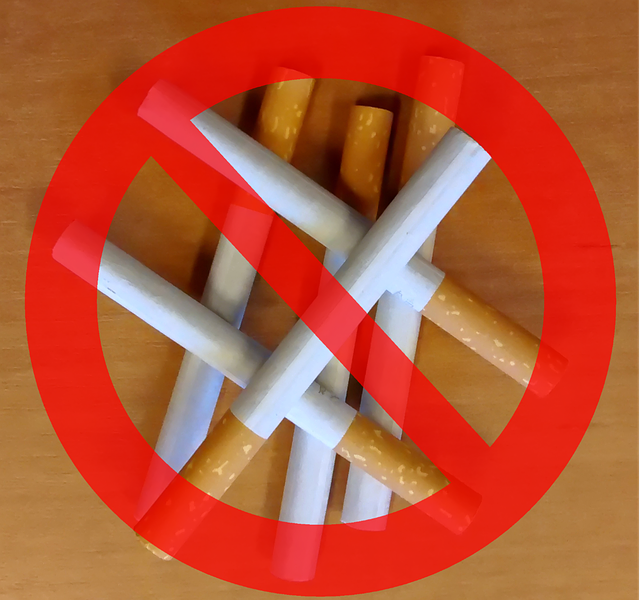
National No Smoking Day occurs on March 14. If you still struggle with the habit, now's a good time to kick it. Your health and bank account will thank you.
How Much Does Smoking Really Cost?
The average pack of cigarettes costs $6.36. Smoke a pack a day, and you spend $2,321.40 a year on your habit.
Each pack of cigarettes also costs you about $35 in health-related expenses. That estimate includes treatment for smoking-related medical conditions and higher health insurance rates.
What Health Issues are Caused by Smoking?
Numerous illnesses and diseases are linked to smoking. They include:
- Cancer
- Heart disease
- Stroke
- Hypertension
- Emphysema
- COPD
- Osteoporosis
- Impotence
- Pregnancy complications
How Does Smoking Affect Health Insurance Premiums?
Treating the illnesses and diseases associated with smoking is expensive for health insurers, and they typically pass those extra costs on to consumers.
On average, smokers can pay up to 50 percent more than non-smokers for health insurance. For example, if a non-smoker in your demographic pays $500 per month, a smoker could pay about $750.
Premium increases vary by insurer and depend on how long and how much you’ve smoked. For more on how insurers set rates, see How life insurance quotes are determined.
For additional background on factors that affect insurer pricing, see Factors That Affect Life Insurance Quotes.
How can a Smoker Reduce Health Insurance Premiums?
Until you quit, there are steps that may reduce your premiums by a few dollars each month.
- Choose a smoker-friendly insurance company. Some companies offer lower rates to attract customers who smoke, so compare quotes from multiple insurers.
- Bundle health and other insurance policies. Buying multiple policies from the same company can produce discounts—ask your health, auto, home, or life agent for details.
- Enroll in a supervised smoking cessation program. Showing you are actively working to quit can be helpful when discussing rates, though premium reductions may take time.
Many health plans will cover a supervised cessation program and some employers offer assistance. You can also review available treatment options such as Laser Smoking Cessation Insurance.
Smoking is costly both in dollars and in your quality of life. Commit to quitting on March 14. For more tips, talk to your doctor and talk to an agent.
Frequently Asked Questions
Will quitting smoking lower my health insurance premiums?
Quitting can lower your premiums, but how quickly rates change varies by insurer and policy; some companies require a period of being smoke-free before adjusting rates.
How long do insurers typically consider someone a smoker?
Many insurers consider a person a non-smoker after 12 to 24 months of being tobacco-free, though definitions and timelines differ by company.
Do health insurance plans cover smoking cessation programs?
Many plans cover smoking cessation programs, counseling, and prescription aids, but coverage details vary, so check your specific policy.
What other costs should I consider when I smoke?
Beyond premiums and medical care, consider lost income from illness, reduced productivity, and long-term costs like disability and long-term care.