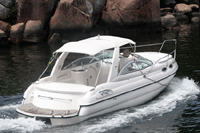
There are many hidden costs associated with owning a boat: dock fees, general maintenance, and winter storage, to name a few. One expense owners should not skimp on is purchasing comprehensive insurance for their watercraft.
Because buying a boat is a significant investment, owners should protect it with coverage that matches the vessel's type and size. Plans and premiums commonly vary depending on those factors as well as where the boat is used.
Many Homeowners and Renters insurance policies provide limited property-damage coverage for small boats; for situations involving small sailboats see Sailboats insurance. Without a dedicated watercraft policy, liability protection is typically not included.
Owners of larger, more powerful boats and yachts generally need a separate policy. Insurers consider the boat's size, value, engine power, and usual cruising area when setting policy conditions and cost.
Liability coverage is extended to:
- Bodily injury to other persons
- Damage to another person’s property
- Legal expenses associated with non-consensual operation of the boat
- Medical costs for injuries to the owner and passengers
- Boat theft
Separate boat and watercraft policies also cover loss or damage to the hull, machinery, furnishings, fittings, and permanently attached equipment such as navigation systems.
Policyholders can choose liability limits that typically range from modest amounts up to higher limits depending on their needs. Deductible amounts for property damage and for theft or medical expenses vary by insurer.
Policies can be customized with endorsements to cover the boat's trailer, fishing gear kept aboard, and other accessories; for owners of smaller powered craft, specialized options are available—see Personal Watercraft (PWC) Insurance for examples of tailored coverages.
Some policies also clarify whether the boat is covered while being towed, and coverage for items stored on the trailer may require an add-on. Owners of pontoon-style boats can find options tailored to that vessel type at Pontoon Boat Insurance.
Insurers often offer discounts for safer equipment and habits. Diesel engines may receive favorable treatment because diesel fuel is less volatile than gasoline. Installing Coast Guard–approved fire extinguishers and ship‑to‑shore radios, or completing an accredited boater safety course, can also lower premiums.
Maintaining a clean boating record is important for lower rates; many insurers reduce premiums for each claim-free period. Bundling watercraft insurance with homeowners or auto policies can also produce savings, and policyholders should talk to an agent to review bundling options and endorsements that fit their needs.
A solid boat insurance policy gives owners peace of mind so they can enjoy time on the water knowing their investment is protected.
Frequently Asked Questions
What does a standard boat insurance policy typically cover?
Standard policies usually cover hull damage, liability for bodily injury and property damage to others, medical payments, and theft, with options to add trailer and accessory coverage.
Does my homeowners policy cover my boat?
Homeowners or renters insurance may offer limited coverage for very small, low-powered boats, but they generally do not provide liability protection for most watercraft.
How can I lower my boat insurance premiums?
Install approved safety equipment, complete a boater safety course, maintain a clean claim record, and consider bundling policies to qualify for discounts.
Is theft covered if my boat is stored at a marina?
Theft coverage can apply at a marina, but policy terms vary and may require specific endorsements or higher deductibles, so review your policy details with your insurer.