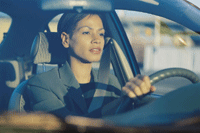
Overview
Drowsy driving is a common and dangerous form of impaired driving that reduces reaction time, attention, and decision-making. Many drivers underestimate how tired they are and overestimate their ability to drive safely while fatigued. Crashes involving driver sleepiness often involve a single vehicle departing its travel lane and can result in serious injury or death.
Key takeaways
- Drowsy driving contributes to a substantial share of serious crashes and often involves lane departure or run-off-road collisions.
- Certain groups—young drivers, solo drivers, and males—have higher reported rates of driving while drowsy.
- Simple countermeasures—adequate sleep, avoiding long trips after a workday, and stopping when tired—reduce risk.
How it works
Tired drivers experience slower reaction times, impaired concentration, and microsleeps—brief lapses of consciousness that can last seconds. These impairments make it harder to maintain lane position, respond to sudden hazards, or make safe steering adjustments.
Risk factors include insufficient sleep, long driving hours, driving at night or during usual sleep times, untreated sleep disorders, and driving alone. Alcohol and some medications can worsen sleepiness and magnify crash risk.
What it may cover (and what it may not)
After a drowsy-driving crash, standard auto insurance coverages that may apply include liability coverage for injuries or damage to others, collision coverage for your vehicle damage, and medical payments or personal injury protection for occupant medical costs. Uninsured/underinsured motorist coverage can help if the other driver is at fault and underinsured.
Insurance does not cover criminal penalties or license suspensions related to impaired or negligent driving, and some policies may have exclusions for intentional reckless behavior. Coverage amounts, deductibles, and claim outcomes depend on your specific policy and state rules.
Common mistakes to avoid
One common mistake is driving after a full workday without adequate rest. Another is relying on short-term fixes—like rolling down the window or drinking caffeine—when real fatigue requires stopping and resting. Driving alone on long trips without planned rest breaks increases risk.
Questions to ask an agent
Ask your agent how your current policy responds to single-vehicle crashes and what coverages apply to medical bills and vehicle repairs. Confirm whether your liability limits are high enough for serious injury claims and whether you have uninsured motorist protection.
If you drive frequently for long distances, ask about optional coverages and how claims are handled after a serious crash. If you need help understanding coverages, you can ask an agent to review your policy and options.
Next steps
Prioritize prevention: schedule sleep before long trips, plan regular breaks, share driving duties when possible, and seek medical advice for suspected sleep disorders. If you manage events or travel logistics, review safety plans and consider how driver fatigue is addressed in your programs.
For related insurance solutions and specialized coverage information, see Insurance for Auto Shows and Antique Car Exhibitions and Animal Shows and Circuses Insurance.
Frequently Asked Questions
How can I tell if I am too tired to drive?
Signs include frequent yawning, difficulty keeping your eyes open, drifting between lanes, and missing your exit; if you notice these, stop driving and rest.
Will my auto insurance pay for medical bills after a drowsy-driving crash?
It depends on your coverages; medical payments, personal injury protection, or the at-fault driver’s liability coverage may apply, subject to policy limits.
Are certain drivers at higher risk of driving while drowsy?
Yes—research consistently shows younger drivers, males, and people driving alone are more likely to report drowsy driving.
What should I do if I feel sleepy while driving?
Find a safe place to stop, rest or nap, switch drivers if possible, or seek a nearby lodging option before continuing.