In your construction business, you use vehicles every day and insure them with commercial auto insurance for construction vehicles. Unfortunately, accidents can happen as you drive on the road or operate the vehicles on a job site. Utilize several safety tips as you protect your construction crew, fleet and company.
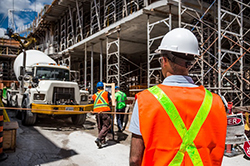
Create a Vehicle Operating Policy
Your employee handbook should include your company's policy for proper vehicle operation. It should outline driver expectations and safety procedures and include any information your insurance company requires.
With this policy, you help employees understand safe driving practices and minimize the risk of accidents. For guidance on managing maintenance, telematics, and cost considerations for construction fleets, see Fleet & Commercial Auto Insurance: Telematics, Maintenance, Construction Fleets, and Cost Savings.
Inspect Vehicles Annually
Pickup, dump and flatbed trucks that operate on public roads should be inspected annually before employees legally drive them. Schedule inspections and any emissions testing with a qualified inspection station and keep accurate records of each inspection.
For excavators, cranes, bulldozers and other off-road equipment that may not require the same road inspections, implement regular maintenance checks to ensure they operate properly and safely. Review industry guidance on safe operation and maintenance of heavy equipment: Heavy Equipment Safety Guidelines.
Train Employees
Your employees must know how to operate vehicles safely before they start the engine. Give every employee an operating exam and retest annually to verify they can safely operate vehicles on the road or job site.
Between annual exams, provide trainings on defensive driving, Department of Transportation (DOT) guidelines, job site safety procedures and post-accident actions.
Establish a Troubleshooting Reporting Procedure
While employees operate your fleet, the company retains responsibility for vehicle safety. Set clear guidelines that outline how employees should report any issues they find while operating vehicles.
Employees should know where to find reporting forms, how to complete them and where to deliver them. You must then follow through and fix reported problems promptly.
Conduct Risk Management Surveys
To promote safety, identify and minimize as many risks as possible. Monitor drivers to identify risky behaviors and address them through coaching or retraining.
Be aware of job site hazards such as loose dirt, drop-offs or tight turnarounds, and plan traffic flows and vehicle staging areas to reduce collisions and rollovers.
Next steps
Your construction vehicles provide invaluable service for your business. Take proactive steps to keep your fleet in top working order and equip employees to operate those vehicles safely. For more safety tips, talk to your agent.
Frequently Asked Questions
What records should I keep for vehicle inspections?
Keep dated inspection reports, repair records, and any emissions test results to demonstrate compliance and track maintenance history.
How often should training be refreshed?
Conduct a full operating exam annually and provide shorter refresher trainings or coaching as needed after incidents or observed unsafe behavior.
Who is responsible for reporting safety issues?
Employees should report issues they observe, and management must ensure reports are reviewed and any required repairs are completed.
Should off-road equipment follow the same inspection schedule as road vehicles?
Off-road equipment may follow different inspection requirements, but it still needs regular maintenance checks and documentation to ensure safe operation.