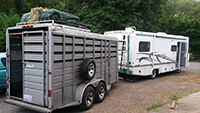
In a recreational vehicle, you and your family can explore the United States, enjoy a vacation or retire in style. Since your RV is both a home and an auto, you'll need recreational vehicle insurance to protect your investment, assets and peace of mind.
Why Buy Recreational Vehicle Insurance
Whether you drive a large motorhome or tow a pop-up camper, your recreational vehicle is an investment you want to protect. Insurance won't prevent accidents, but it can help cover repairs or replacement if your RV is damaged or stolen.
You also want coverage for liability if you injure someone or damage property while operating your RV. Insurance helps reduce your financial exposure and can protect your other assets.
Coverage options
- Bodily injury
- Property damage
- Medical payments
- Collision damage
- Towing and labor costs
- Vehicle rental costs
- Personal possession coverage
Benefits of Recreational Vehicle Insurance Coverage
While some homeowners and auto policies offer limited RV coverage, a specialized policy is designed specifically for RV owners and often includes broader options and services.
Typical benefits
- RV Claims Experts - File with an RV specialist who understands RV repairs and common issues.
- Full Replacement Cost Coverage - Replace your RV if it's stolen or declared a total loss.
- Coverage for Personal Belongings - Protect appliances, gear and personal items inside the RV.
- Emergency Expenses Allowance - Help cover lodging, food and travel after a covered loss.
- Service Call Allowance - Pay for a repair expert to diagnose problems on site.
- Hitch Coverage - Replace the hitch assembly, including the attachment to the tow vehicle.
- Coverage for Permanent Attachments - Replace awnings, antennas and other built-in components.
- Storage Option - Reduce premiums when the RV is in storage for extended periods.
- Full-Time Coverage - Policies that provide homeowners-style protection if you live in your RV full time.
For information about policies tailored to RV owners, see Recreational Vehicle (RV) Insurance.
Recreational Vehicle Insurance Costs
Costs depend on the type of RV, how often you use it, where you drive and where you store it. Other factors include your driving history, the RV's value and optional coverages you choose.
Discounts may be available if you bundle policies, join an RV club or complete a defensive driving course. For an overview of RV coverage options and buying guidance, see RV Insurance Overview.
When you're ready to buy recreational vehicle insurance, find an agency that specializes in RV coverage and understand your needs. If you want a quick step toward pricing, talk to an agent.
Frequently Asked Questions
Do I need separate insurance for my RV if I already have auto and homeowners policies?
Some auto or homeowners policies offer limited RV coverage, but a specialized RV policy often provides broader protection tailored to RV risks.
Will my personal belongings inside the RV be covered?
Many RV policies include personal belongings coverage, but limits and exclusions vary, so check the policy details for caps and covered items.
Does RV insurance cover towing and roadside assistance?
Optional coverages commonly include towing, labor and service call allowances; verify availability and limits with your insurer.
Can I lower my RV insurance premium if I store the RV part of the year?
Yes, some insurers offer storage discounts or lower premiums when the RV is not in use for extended periods.