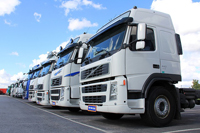
So you've invested in a truck, you've acquired your class C license, and you're ready to put an ad in the phone book and start hauling cars for a living.
Well, once you've gotten yourself covered under a solid insurance policy, that is. Here are the main things to consider when buying car carrier insurance for your business.
How Big Is Your Truck?
For a smaller truck, one that can carry up to four vehicles, you typically look at an insurance package that can cover up to $100,000 in losses. This level will usually qualify you to bid for the jobs you're after.
For larger trucks hauling up to ten vehicles at a time, carriers commonly carry anywhere from $250,000 to $500,000 of coverage. Laws vary by state—some places allow lower minimums while others require more—but those figures are recommended for your own protection. A more robust policy also helps reassure customers and may win you more business; for related hauler coverage topics, see Car and Rock Hauler Insurance Overview.
What Else Needs To Be Covered?
If you don't have a garage and park your hauler on a private lot or a farm, that can reduce some storage-related exposure, but most operators need more than just truck coverage. A garage and operations plan will be a basic place-of-business policy covering theft, vandalism, natural disasters and general liability.
If your business involves storing vehicles in addition to transporting them, you need coverage for the cars while they're being stored and for the space where they are stored. Additional operational considerations and endorsements that other haulers use are discussed in Grain Haulers Insurance.
Car haulers must invest more in insurance than many other businesses in the auto industry because each load carries substantial value. There are also greater operating costs in the trade, so doing enough business to cover expenses is important; for many entrepreneurs the investment pays off due to less competition in specialized hauling.
If you're unsure about limits, coverages, or endorsements you need, it’s a good idea to talk to an agent who understands vehicle transport risks and can tailor a policy to your operation.
Frequently Asked Questions
How much liability coverage should a car hauler carry?
Coverage often ranges from $100,000 for small haulers to $250,000–$500,000 for larger carriers; state minimums vary, but consider higher limits to protect your business and reassure customers.
Does insurance cover vehicles while they are stored?
Storage coverage is separate from transit coverage and must be included or endorsed on your policy to cover theft, vandalism, and weather damage while vehicles are parked.
Do I need a separate garage policy if I store cars?
Yes—if you store vehicles or operate from a yard or garage, a garage and operations policy helps cover premises liability and property exposures not covered by a commercial auto policy.
Can my commercial auto policy cover a multi-car hauler?
Commercial auto policies can cover car haulers, but you’ll likely need higher limits, specific endorsements for transported vehicles, and clear declarations of vehicle counts and uses.