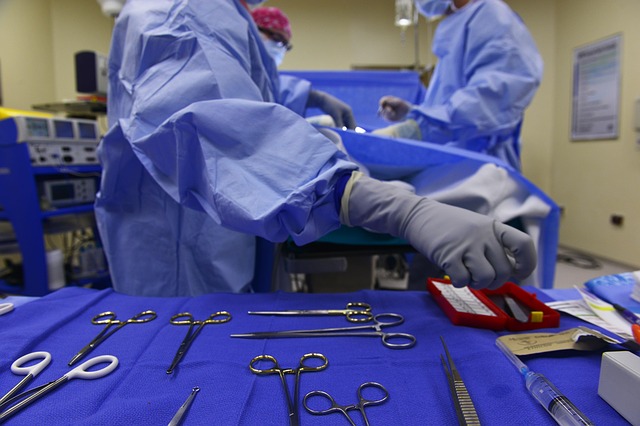
Because of high deductibles in the United States and lower costs elsewhere, medical travel remains a popular option for many patients. People travel abroad for dental work, cosmetic procedures, joint replacements and other surgeries that can be less expensive overseas. If you’re considering treatment abroad, do your homework before you schedule anything.
Who Will Pay for Your Overseas Procedures?
Some employers and benefit plans include coverage or programs that steer employees to approved overseas facilities because it can lower overall costs. However, the majority of employers and standard health plans do not cover medical travel directly.
Your health insurance may not cover care abroad; consider researching options such as International Health Insurance if you expect ongoing or frequent treatment outside the U.S. Confirm payment details and any out-of-pocket responsibility before you book travel or a procedure.
How do you Choose a Facility?
Look for hospitals accredited by recognized organizations and confirm that the specialist is board-certified and has verifiable references. Joint Commission International is one source to check for accredited facilities.
If you plan elective procedures like cosmetic work, also review coverage and protective options such as Cosmetic Surgery Insurance — Coverage and Considerations. You can hire a third-party facilitator to help arrange appointments, introductions to specialists, and travel logistics.
Before you travel, have your primary care physician review and approve the plan of care to make sure you’re healthy enough for the trip and procedure. Get a written agreement from the facility that describes the procedure, included care and supplies, and a clear plan for complications or additional care after you return home.
What Happens While You're Overseas?
Most programs include an English-speaking concierge who meets you at the airport and escorts you to the hospital. You’ll meet the surgeon, complete any required tests or blood work, and have the procedure as scheduled.
After treatment you should receive any needed therapy, written after-care instructions and a copy of your medical records before returning home. Plan for transportation and follow-up care once you’re back in the U.S.
Medical travel can reduce your costs, but it also carries risks. Do your research, confirm all payment and care details, and consider purchasing medical travel insurance that covers malpractice and includes death or disability benefits for additional protection. If you need personalized help, talk to an agent about your options.
Frequently Asked Questions
Will my U.S. health insurance cover treatment abroad?
Often it will not; coverage varies by plan and provider, so contact your insurer and your employer benefits administrator to confirm before you book.
How can I verify a surgeon or hospital's qualifications?
Ask for board certification, references and accreditation credentials, and check those credentials with the issuing organizations before you proceed.
Should I buy special insurance for medical travel?
Medical travel insurance can cover complications, malpractice, and medical evacuation, and it is worth considering when the primary insurer offers limited or no coverage abroad.
What documentation should I bring home after a procedure?
Obtain detailed medical records, operative reports, medication lists and specific after-care instructions to share with your U.S. providers for follow-up care.