Overview
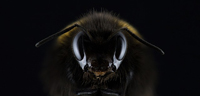
Bees or other insects inside a passenger vehicle can create a sudden, dangerous distraction. Drivers who try to swat an insect, swerve, or brake abruptly increase the risk of a crash for themselves and other road users. Transporting live hives or loose colonies in an unsecured container is especially hazardous—bees can escape, panic, and fly freely through the cabin.
This guide explains how these incidents usually unfold, what types of insurance may respond after an accident, and practical steps to reduce risk while driving with unusual cargo.
Key takeaways
- Stay calm and keep control—don't swat or make sudden steering inputs.
- Slow down gradually and pull over to a safe spot before trying to remove the insect.
- Secure live animals or hives in proper, ventilated containers and use a suitable vehicle for hauling.
- Review your auto policy for potential gaps if you regularly transport equipment or small commercial loads.
How it works
A bee inside a car becomes a hazard when it distracts the driver or causes a passenger to react. Even a momentary glance away from the road or one-handed steering while swatting can lead to lane departure or a collision. If you are moving a hive, an unsecured load can shift during braking or turns, causing handling problems or allowing insects to escape into the cabin.
When an incident leads to a crash, standard auto coverages—collision, comprehensive, or liability—may apply depending on who is at fault and the circumstances. Injury from stings could be part of a bodily injury claim if another driver is responsible for the crash.
What it may cover (and what it may not)
Collision or liability coverage commonly pays for damage after an accident. Comprehensive coverage can cover non-collision losses, but policies vary. If you transport items as part of a business or regularly move live cargo, your personal auto policy may exclude commercial activities or have limits that leave gaps.
For people who routinely carry equipment or small-concession type loads, consider specialty storefront or equipment endorsements. For example, policy options exist for mobile vendors and similar small-business activities such as Push Cart Recycler Insurance or equipment-specific storefronts like Brush Cart Insurance to address coverage needs beyond a personal auto plan.
Common mistakes to avoid
1) Panicking or swatting while driving. Sudden movements increase crash risk—slow down and pull over safely instead.
2) Transporting live hives in the passenger compartment or an unsecured box. Use a ventilated, purpose-built carrier and a vehicle suited for hauling.
3) Assuming personal auto insurance covers every scenario. Regularly carrying goods for business can change your risk profile and coverage needs.
Questions to ask an agent
When reviewing coverage, ask whether your policy limits or exclusions apply if you transport live animals, equipment, or run a small mobile operation from your vehicle. Ask about liability limits, medical payments, and whether cargo or commercial endorsements are necessary.
If you want a direct review of options and possible endorsements, talk to an agent who can explain how your driving habits and the items you carry affect coverage.
Next steps
When driving: keep windows closed in areas with many insects, secure any live cargo in ventilated, sealed containers designed for transport, and stop only in safe locations if an insect is loose in the cabin. If you or a passenger are allergic to stings, carry an accessible epinephrine auto-injector and know how to use it.
On the insurance side: review your auto policy for business-use exclusions and liability limits. If you regularly transport equipment or unusual cargo for income-producing activities, consider specialty storefront options and endorsements to fill gaps; start the conversation with your agent to match coverage to how you use the vehicle.