Coffee, tea, chocolate and energy drinks all contain caffeine. Unfortunately, the caffeine you consume each day can affect your health in negative ways. 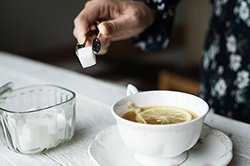
Change your habits and switch to caffeine alternatives to get your energy boost while improving your overall health.
Benefits of Consuming Caffeine
Numerous studies show that you can gain several benefits when you consume caffeine regularly.
- Decrease risk of developing diabetes
- Enhance metabolism of glucose found in carbohydrates
- Reduce colon cancer risk
- Boost antioxidants
- Experience higher energy
- Improve mood
Health and Life Benefits of Quitting or Reducing Caffeine
Although caffeine can provide alertness, too much may cause dependency and other health issues.
- Increased release of stress hormones
- Inability to regulate insulin
- Increased risk of cardiovascular disease
- Higher cholesterol levels
- More digestive discomfort
- Increase in calorie consumption, especially from sugary caffeinated foods and drinks
- Lower serotonin release
- Disrupted sleep
- Increased anxiety and depression
- Imbalance in calcium, potassium and magnesium levels
- Difficulty detoxing the liver
- Low birth weight and other problems in infants born to people who consume caffeine
Healthy Caffeine Alternatives
You’ll improve your overall health when you reduce or cut caffeine from your diet. If you’re dependent on caffeine, consider making the switch gradually to these alternatives.
Rooibos tea — Gain an immune boost with this tasty hot or cold tea.
Teeccino and Cafix — Enjoy a familiar coffee-like taste with substitutes made from chicory, grains, figs and beetroot.
Ice water — Jumpstart your metabolism, energy and focus by hydrating with cold water throughout the day.
B vitamins — Support mental clarity, steady energy and better sleep by eating lean meats, nuts, seeds and other foods high in B vitamins.
Apple — Chewing an apple can help stimulate neural and muscle pathways and give a mild metabolic boost.
Protein — Maintain energy, concentration and mood with a protein-rich meal or snack.
Ginkgo biloba — Some people find improved focus and well-being from ginkgo biloba taken as a tea or supplement.
Ginseng — Ginseng tea or capsules may help stimulate blood flow and reduce stress for some individuals.
Stretching — Brief stretching breaks can boost oxygen in your blood and increase alertness and focus.
Cutting caffeine from your diet can improve health and may prolong quality of life. Talk to your doctor or your health or life insurance provider for personalized guidance as you switch to healthy caffeine alternatives.
Frequently Asked Questions
How soon will I notice benefits after reducing caffeine?
Some people notice improved sleep and reduced anxiety within a few days, while other benefits like better digestion and blood pressure improvements may take several weeks.
What withdrawal symptoms should I expect if I quit caffeine?
Common withdrawal symptoms include headaches, fatigue, irritability and difficulty concentrating; these typically peak within a few days and improve over one to two weeks.
Are herbal teas a good replacement for coffee?
Yes—herbal teas such as rooibos or blends designed as coffee substitutes can provide comforting ritual without caffeine.
Can dietary changes help maintain energy without caffeine?
Eating balanced meals with lean protein, whole grains, healthy fats and B-vitamin–rich foods helps sustain energy and may reduce reliance on caffeine.