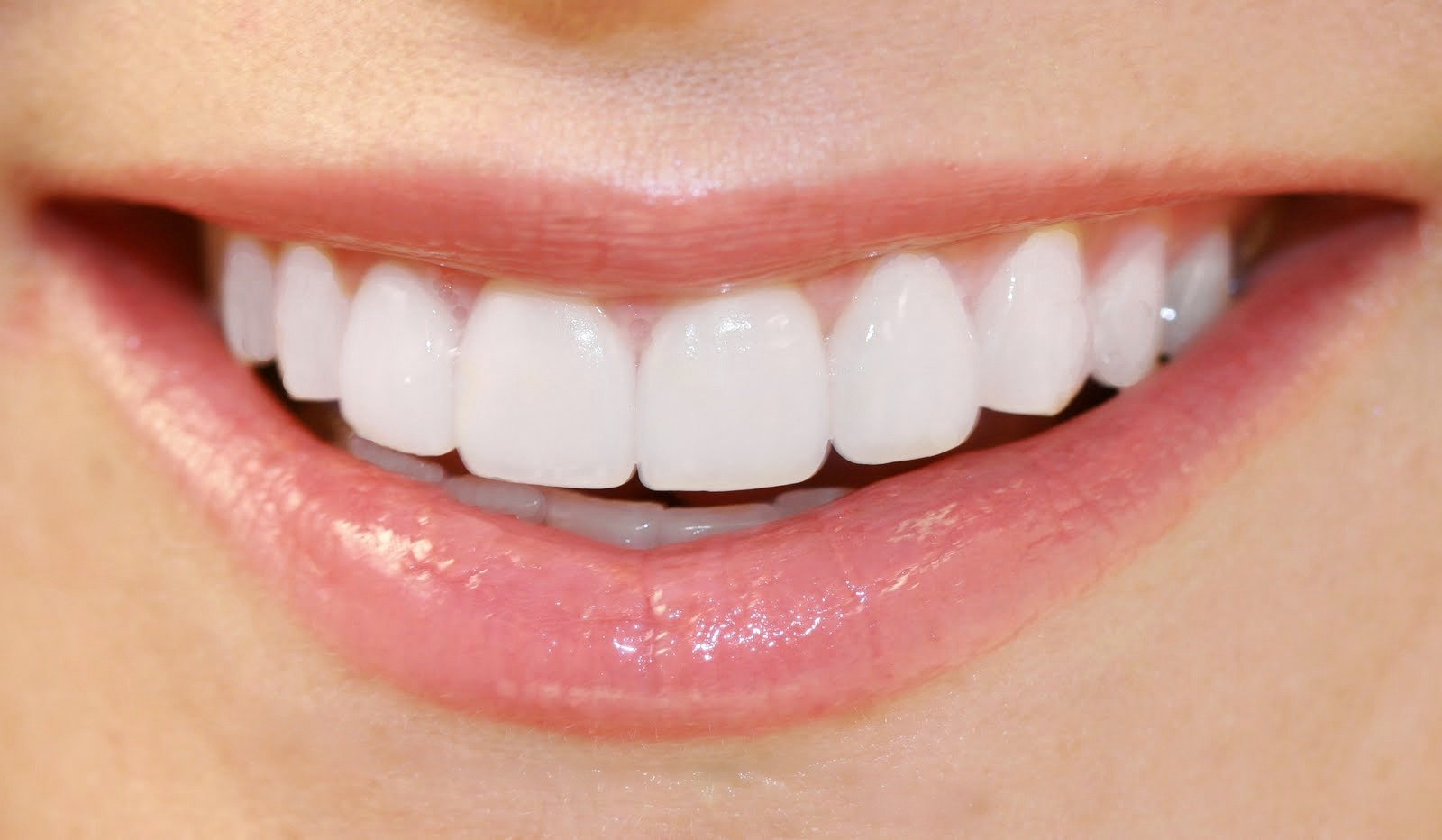
 Proper oral care does more than give you a smile you're proud to show off; it also supports your overall health. Research has found that chronic inflammation from gum disease is linked to heart disease and stroke, so protecting your teeth helps protect your body.
Six tips to protect your smile
-
Eat a healthy diet
A diet rich in fruits, vegetables and whole grains does more than fuel your body — it helps strengthen tooth enamel. Include healthy elements in meals and limit sweets and soda to reduce enamel erosion and cavities.
-
Drink plenty of water
Water helps wash away food residue and saliva neutralizes acids; both actions protect enamel and slow plaque buildup. Staying hydrated supports overall oral cleanliness between brushings.
-
Floss every day
Floss removes food and bacteria from between teeth where a brush can't reach. Regular flossing prevents swollen, bleeding gums and reduces the risk of gingivitis.
-
Brush regularly
Use a soft toothbrush and low‑abrasion toothpaste to remove residue without damaging enamel. Brush for at least two minutes after meals and be sure to reach all surfaces of every tooth.
-
Invest in mouthwash
Antibacterial mouthwash does more than freshen breath — it helps reduce oral bacteria and complements brushing and flossing as part of a daily routine.
-
Schedule dental appointments
Regular dental cleanings and exams let a dentist identify early signs of enamel wear, gum disease and other issues. Follow your dentist's advice about care and treatment between visits.
Your healthy smile starts with healthy teeth and consistent habits. For more information about how oral care fits into broader employee programs, see Employee Health and Benefits: Oral Health, HSAs, Dental Plans, and Cost Management. You can also explore related program options at Dental Laboratories and Supplies Insurance.
Dental insurance can help cover preventive care and reduce out-of-pocket costs for treatments; learn more about plan options at Dental Insurance Benefits. If you have questions about coverage or next steps, talk to an agent.
Frequently Asked Questions
How often should I see the dentist?
Most people benefit from a dental exam and cleaning every six months, but your dentist may recommend a different schedule based on your oral health.
Is flossing really necessary if I brush well?
Yes — flossing reaches between teeth where a toothbrush can't and removes plaque that can lead to gum disease.
Will mouthwash replace brushing or flossing?
No — mouthwash is a helpful supplement but should not replace regular brushing and flossing.