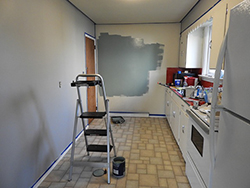
Those wanting to give a home an update or remodel often also want to know what will give them the most return for their invested dollar should they ever want to resell. The results of one report might cause some surprise.
According to the 2010 Remodeling Cost vs. Value report by Remodeling Magazine, the greatest return on a remodeling investment (costing more than $10,000) was installing new fiber-cement siding, with an average cost of $13,382 and an 80% return on the investment. The survey, done in partnership with the National Association of Realtors and HomeTech Information Systems, compared the average cost of the 35 most popular remodeling projects and the value each retains during resale.
However, when compared with prior data, all the renovation jobs — even fiber-cement siding installation — returned a lower percentage of the cost to complete in additional home value. In other words, many homeowners planning a remodel are likely to spend more than they would get back at resale. The report estimated that homeowners would recoup roughly 60% of 2010 remodeling costs.
Curb appeal remained a predominant concern for buyers, as the report showed most exterior improvements performed better than interior projects. With a large current inventory and a wide selection in the housing market, curb appeal helps catch buyers’ attention and encourages them to look inside.
The cost-to-value equation for home improvement has been becoming less attractive for several years, and the 2010 percentage decline was especially significant. On average, homeowners recouped 16% less on a typical remodeling job than they did the year before. For example, the cost of adding a new mid-range bath was about $15,000 in 2003 and it returned almost 100% of the cost during resale; by 2010 that same mid-range bath cost around $40,000 and returned about half of that cost at resale.
Although the 2010 numbers showed the sharpest change in the survey’s nine-year history, that year also saw the first construction cost decline since 2004.
As a general rule, the more spent for a remodel job, the lower the percentage of return at resale. Take kitchen remodels as an example: a mid-range kitchen remodel generally cost around $60,000 yet returned around 70% of that cost at resale. Move up to a top-of-the-line renovation that costs around $113,000, and it returned just 60% of its cost.
Overall, the report showed the lowest return was with mid-range home office renovations, with an average cost of $28,888 and returning only 45.8%.
In the under-$10,000 home improvement bracket, exterior door replacement performed very well, with a cost of $1,218 and a return of 102%. Among projects over $10,000, a new wood deck (costing about $10,973) and a minor kitchen remodel (about $21,695) each returned roughly 72.8%, coming in just behind fiber-cement siding.
When planning changes to your property, also consider how remodeling affects insurance needs; for specialty properties see Modeling Schools Insurance and for high-value homes review High Value Dwellings Insurance. If you have questions about coverage after a remodel, talk to an agent.
Frequently Asked Questions
Which remodeling projects typically return the most value?
Exterior projects that improve curb appeal—such as new siding, doors, or decks—tend to have higher resale returns than many interior renovations.
Should I remodel primarily to increase resale value?
Not always; many remodels do not fully recoup their cost at resale, so weigh personal enjoyment and long-term use alongside expected resale value.
Do bigger or more expensive remodels always mean better returns?
No; generally, the more you spend, the lower the percentage of cost you’ll recoup at resale, especially with high-end upgrades.
Will a remodel change my homeowners insurance needs?
Yes—significant changes in value or use of the home can affect coverage and limits, so review your policy after a remodel.