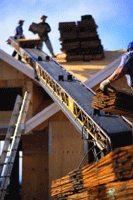
A new roof is a major home expense and often a very big job. You can save yourself a lot of headache and money in the long run by becoming familiar with roofing materials, warranties, cost, and contractors before the job begins.
Materials. As far as roofing materials go, they should protect the home from hail, rain, snow, wind, and possibly fire. The life of your roof is highly affected by common weather conditions.
Your geographic location and the specifics of your lot also affect roof life. For example, intense sun and heat in desert areas can age roofing materials faster, while dampness and overhanging trees can promote moss and deterioration.
Roofing material manufacturers aren’t required to submit products for testing, but some choose to have their products rated for resistance to fire, wind, and hail. UL 2218, designed by Underwriters’ Laboratories, measures resistance to hail; Class 4 indicates the greatest hail resistance. Roofing products can also receive Class A, B, or C fire ratings depending on their fire exposure performance.
Windy conditions can lift or rip shingles and allow water infiltration. Local building codes in wind-prone areas may require additional fastening for certain shingles.
Warranties
- First owner — only the owner who bought the roof is covered.
- Pro-rated — claims are paid based on the roof’s age.
- Wind — covers damage caused directly by wind.
- Hail — covers damage caused directly by hail.
- Material defects and workmanship — most manufacturers offer long product warranties, but these are limited if the product is installed incorrectly; that is why you need a workmanship warranty written into your contract with your contractor.
Cost. The cost of a new roof varies depending on materials and the labor required to install them. Certain materials are more common in specific regions and some homeowner associations place restrictions on acceptable roofing products.
More complex or labor‑intensive materials and steep roof pitches increase labor time and cost. When comparing prices, remember that a roof is measured in squares; one square equals 100 square feet.
When buying materials, you may also want to review coverage options for building supplies and components, for example Insurance for Insulation and Roofing Materials.
Contractors. Choosing the right roofing contractor is as important as choosing the right materials. Shop around and seek multiple bids on your roof. You are looking for a roofer that is established, licensed, and bonded.
Before hiring, ask for references and verify the contractor’s insurance and license. You might check the business status with the Better Business Bureau or local chamber of commerce, and ask the contractor for a written estimate with itemized material and labor charges, a start date, and an estimated completion date.
For help comparing contractor coverage and protections, consider resources such as Roofer Insurance and Commercial Roofing Insurance. If you have insurance questions, talk to an agent.
Remember, the lowest bid isn’t always the best deal. Make sure your payment method and workmanship warranty are specified in the contract.
In closing, knowing these basic points on roofing beforehand can help you choose the right materials and contractor at the right price for your home.
Frequently Asked Questions
How long does a typical roof last?
Roof lifespan varies by material and climate; many asphalt shingle roofs last 20–30 years while higher-end materials can last longer.
What should a workmanship warranty include?
A workmanship warranty should specify the work covered, its duration, and how repairs will be handled if installation defects appear.
Will homeowner’s insurance cover roof damage?
Insurance may cover sudden damage from storms or hail, but coverage depends on your policy, exclusions, and whether damage resulted from lack of maintenance.
How many bids should I get before hiring a roofer?
Obtain at least two to three written bids so you can compare materials, timelines, and warranties.