Overview
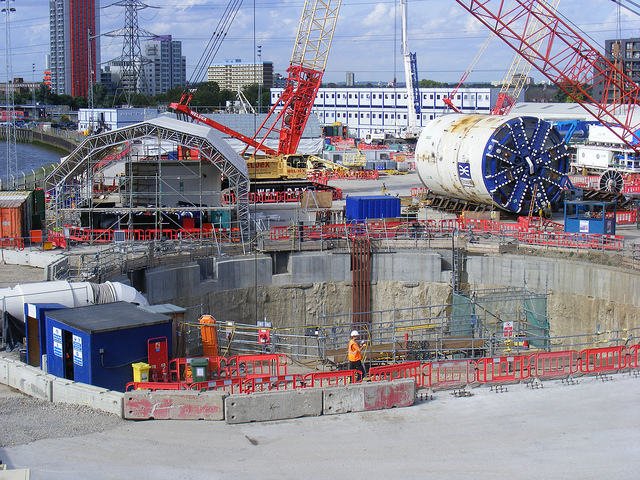 Redundant systems on a construction site mean planning now for problems you expect later. Typical examples are on-site generators for mission-critical power, secondary containment for fuel storage, sub-slab venting to reduce vapor intrusion risk, and using temporary site features for multiple functions like traffic control or water reuse.
Design choices made during site preparation often cost a fraction of later retrofits and can reduce operational disruption, environmental risk, and insurance exposures. For practical guidance on design and risk management for specialized projects, see Manufacturers Engineer/Design Firms Insurance and consider construction-focused compliance resources such as Construction Risk & Safety, Energy Compliance, Redundancy, and Retirement Plans.
Key takeaways
- Install practical redundancies during initial construction when costs are lowest.
- Plan for containment, venting, and reuse of temporary systems to limit environmental and operational risk.
- Use fencing and staging to manage traffic, safety, and storage efficiently from day one.
- Document decisions and discuss implications with your design team and insurer.
How it works
Start by identifying which systems are mission critical (power, water, HVAC, data) and evaluate simple, low-cost measures that add resilience. For a generator this means designing an appropriate fuel supply strategy and building secondary containment into the plan rather than retrofitting later.
Implement passive measures where possible. Sub-slab venting to mitigate vapor intrusion, or dedicated trenches for silt fencing that double as safety barriers, are examples of low-complexity installations that reduce later costs and regulatory headaches.
Look for opportunities to repurpose site infrastructure: stormwater detention can be fitted with a pump and filter to supply non-potable water for landscape establishment, dust control, or equipment washing, extending its value beyond detention alone.
What it may cover (and what it may not)
Typical commercial property and construction insurance can respond to physical damage or certain pollution incidents, but coverage limits, exclusions, and conditions vary widely. Preventive measures often reduce the chance of a claim and can lower long-term exposure.
Insurance generally does not substitute for compliance: regulatory fines, long-term remediation costs, or liabilities from widespread contamination may not be fully covered without specific pollution or environmental endorsements. For project-specific insurance guidance, review options like Interior Decorators/Designers Insurance as part of broader risk planning discussions.
Common mistakes to avoid
Delaying installation of containment or venting until after construction increases cost and limits options for proper placement.
Using temporary features for single tasks rather than designing them for multiple roles misses opportunities to save time and money.
Failing to coordinate traffic control, fencing, and storage before site mobilization causes inefficiencies and safety gaps that are harder to fix later.
Questions to ask an agent
What specific endorsements or pollution coverages should we consider for on-site fuel systems and hazardous materials?
Will preventive measures such as secondary containment or installed venting affect underwriting or premiums?
How does coverage apply during construction versus after substantial completion, and are there limits for temporary structures or site equipment?
Next steps
Create a short prioritized list of redundancies to include in bid documents and site plans, starting with those that are cheapest to install during construction and provide the most risk reduction.
Coordinate with your design and construction teams to specify containment, venting, and multiuse temporary systems, and document those specifications for permitting and insurance review.
If you want a fast way to get insurance input, talk to an agent who can review coverage implications for your planned site measures.
Frequently Asked Questions
Do I always need secondary containment for a construction generator fuel tank?
Secondary containment is standard best practice for underground and aboveground fuel tanks because it reduces leak risk and regulatory exposure; requirements depend on local rules and fuel volume.
Can stormwater detention ponds really be used for site water needs?
Yes—if fitted with appropriate pumps and filters, detention ponds can supply non-potable water for irrigation and cleaning, but water quality and local regulations must be considered.
Is sub-slab venting effective for preventing vapor intrusion long-term?
Sub-slab venting is a recognized mitigation tactic for vapor intrusion and is most effective when installed during initial construction to ensure proper placement and connection.
How early should traffic control and fencing be planned on a construction project?
Plan traffic control and fencing during the preconstruction phase so they can be installed with initial site mobilization to manage flow and protect assets from day one.