 Loss prevention is typically associated with retailers and businesses that sell tangible goods. However, the problem also affects businesses of other types as well. In addition to the theft of physical inventory, loss can occur in the monetary sense; many business owners look to industry-specific resources such as Retail Stores, Not Elsewhere Classified for guidance.
Types of Business Losses
In addition to the loss of physical merchandise, such as clothing and household goods, there are many other forms of losses. Restaurants, coffee shops and markets must be alert for the loss of food products. Other businesses which conduct financial transactions must be vigilant for the loss of money or the lack of reporting of sales; for financial exposure related to theft or employee dishonesty, see Fidelity (Crime) insurance.
These business losses occur in three major ways: internal employee theft, external theft by customers or strangers, and loss due to errors in accounting or sales processes.
Spotting the Signs of Loss
Spotting the signs of these various types of losses requires that owners look for specific indicators and review records regularly.
Internal employee theft can be identified by:
- Missing cash from registers
- Unexplainable refunds or voids in sales transactions
- Unusual or frequent discounts applied to sales transactions
- Individuals who hang around but only purchase from a certain employee
The signs of external theft are slightly easier to identify and include:
- Missing merchandise
- Empty hangers or empty packaging with no product inside
- Inventory audits that reveal a substantial numbers imbalance
Errors are a common cause of loss at all types of businesses and can be identified by the following:
- Employees assigning improper coding numbers to sales or transactions
- Not checking shipments to ensure that the proper merchandise is delivered
- Improper discounting of merchandise or sales transactions
Stopping Losses
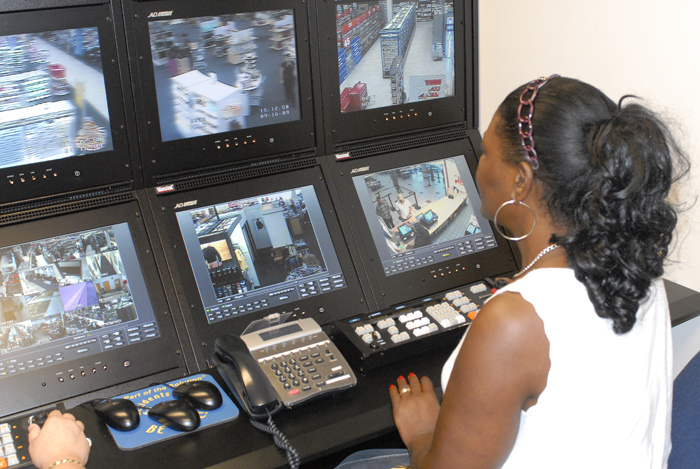
Stopping losses requires various monitoring methods. One of the most effective is security cameras; cameras can deter both external and internal theft if mounted above sales registers or computer terminals.
In addition, business owners must conduct regular weekly audits of transactions, ensure that there are no missing cash register tapes, and track all computerized transactions via individual employee identification numbers. For broader retail risk-management information, consider resources such as Retail Insurance.
Frequently Asked Questions
How often should I perform inventory audits?
Perform a full inventory audit at least quarterly and spot audits weekly for high-risk items to detect discrepancies early.
What are common warning signs of employee theft?
Common signs include frequent refunds or voids, missing register tapes, and one employee receiving most discounts or off-the-books sales.
Can security cameras alone prevent losses?
Security cameras are a strong deterrent but work best combined with policies, audits, and employee controls to reduce both internal and external theft.
What should I do if I discover a discrepancy in cash or inventory?
Document the discrepancy, conduct a focused audit, and follow your company’s disciplinary and reporting procedures while preserving evidence for investigation.