Overview
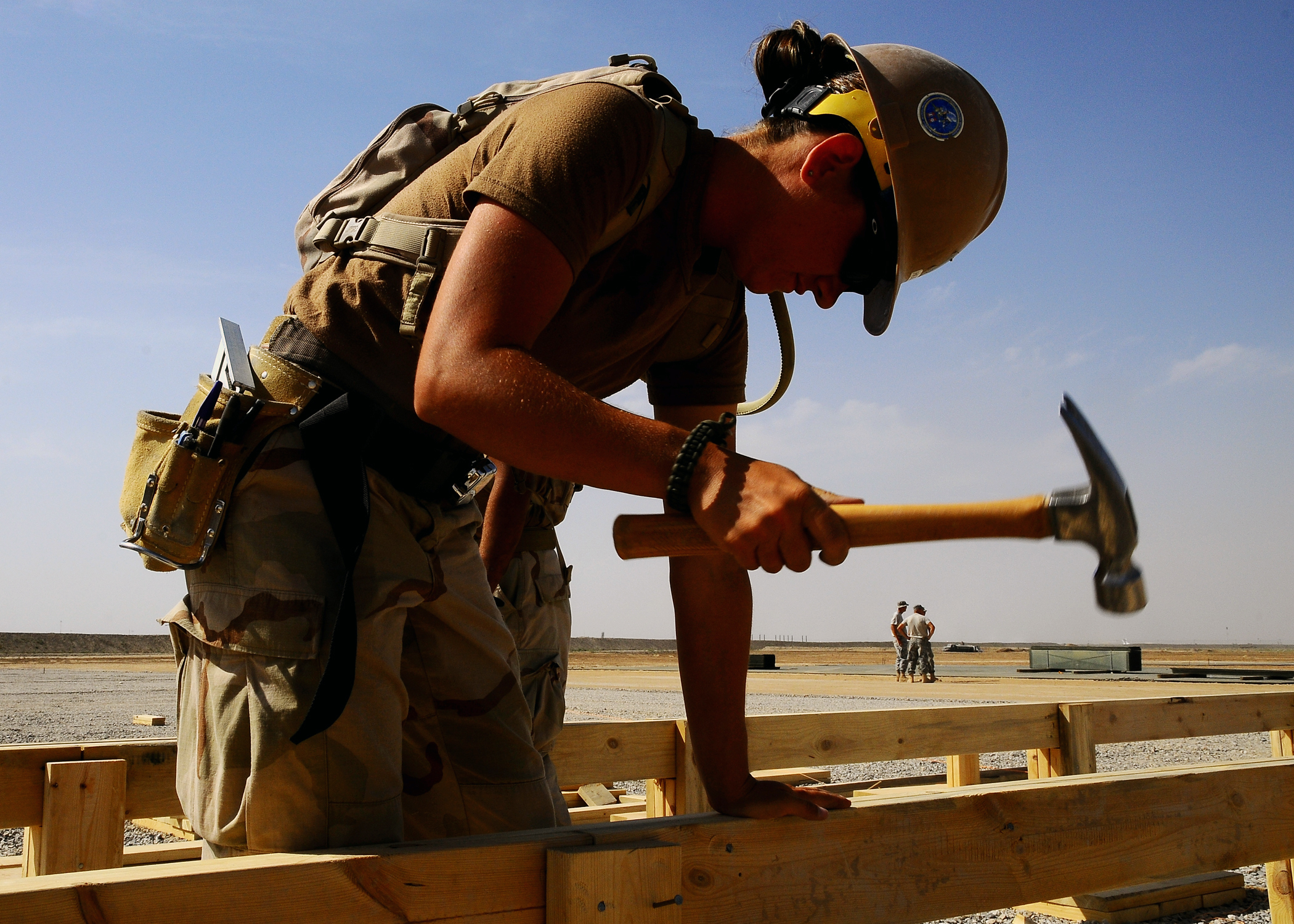
Construction and renovation sites face many accidental hazards during the build process, from gas line ruptures and electrical shorts to theft and storm damage. Builders risk insurance is a property policy designed to protect a project’s physical structure and, in some cases, the materials, fixtures, and equipment being used on the job.
This coverage is written for a fixed term that typically ends when the property is ready for use or occupancy, and it can be purchased by the owner, developer, or contractor depending on the project and loan requirements. Learn how coverage options differ for specific project types at Builders Risk Insurance — New Residential Construction.
Key takeaways
- Builders risk protects buildings under construction or major renovation against many physical perils during the project term.
- Policies usually exclude certain hazards like flood, earthquake, and wear-and-tear unless endorsements are added.
- Either the owner, contractor, or lender can be the named insured; lenders commonly require proof of coverage.
How it works
Most builders risk policies are written on a short-term basis (commonly three, six, or twelve months) and may allow a single extension if construction runs long. The limit of insurance should reflect the total completed value of the structure—materials and labor included—but does not include the value of the land.
When damage occurs, the policy pays for repair or replacement of covered property up to the policy limit after any deductible. Because policy language and options vary, you can compare project-specific forms such as Builders Risk (Course of Construction) Insurance to find the right fit for your project.
If you need help interpreting limits, exclusions, or who should be the insured, it’s appropriate to ask an agent for a review of your project and policy options.
What it may cover (and what it may not)
- Typical covered items: the structure under construction, materials on site, temporary structures such as scaffolding, and building supplies while in transit to the job site or stored offsite.
- Common optional extensions: debris removal, fire department service charges, replacement of blueprints or plans, and coverage for demolition or increased cost of construction required by ordinances.
Standard exclusions often include mechanical breakdown, flood, earthquake, and losses from rioting or intentional acts. Many of these exclusions can be addressed with endorsements, but those endorsements add cost and may have limits or conditions.
For homeowners or individuals involved in smaller projects, consider whether a tailored product like Builders Risk Personal Insurance is appropriate for non-commercial remodeling or new-home builds.
Common mistakes to avoid
- Underinsuring the project by using an estimate that omits labor, contractor overhead, or temporary structures.
- Assuming coverage continues after substantial completion or occupancy; policies typically end when the property is ready for use.
- Failing to add specific endorsements for flood, earthquake, transit, or equipment breakdown when those exposures exist.
- Not coordinating who the named insured will be (owner vs. contractor) and how claims will be handled when multiple parties have an interest.
Questions to ask an agent
- What perils are included and which are excluded by my standard policy?
- How is the policy limit determined, and does it cover soft costs like architect fees and loan interest if construction is delayed?
- Are materials in transit or stored offsite automatically covered, or do I need an endorsement?
- Who should be the named insured—owner, contractor, or lender—to avoid coverage gaps?
Next steps
Document the project budget, construction schedule, and ownership interests before requesting coverage so the policy can be tailored to the project’s exposures. Review policy forms, exclusions, and available endorsements carefully, and get written confirmation of required coverages if a lender or building department mandates them.
If your project involves unusual exposures—such as international work, long transit of materials, or complex contractor arrangements—consult specialized coverage options and carriers experienced with those risks.
Frequently Asked Questions
Who typically purchases builders risk insurance?
Either the property owner, the contractor, or the developer can purchase the policy; lenders often require the borrower to maintain coverage for the loan.
When does builders risk coverage end?
Coverage usually ends when the project is complete and the property is ready for use or occupancy, or at the policy expiration date if earlier.
Does builders risk cover theft of tools and contractor equipment?
Builders risk commonly covers materials and supplies, but portable contractor tools and equipment may need separate inland marine or equipment coverage.
Can I add flood or earthquake coverage to a builders risk policy?
Possibly—some insurers offer endorsements for flood or earthquake, but availability, limits, and deductibles vary by carrier and location.