Overview
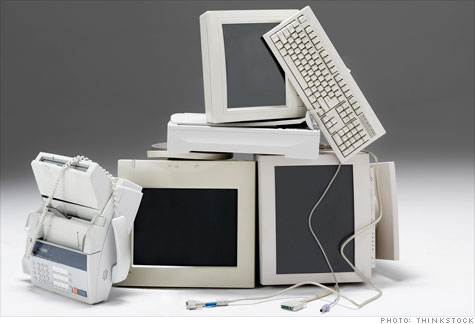
When a business sells or donates obsolete or nonfunctioning equipment, liability concerns can follow the item to its new owner.
This guide explains practical steps to reduce the risk that a later injury, property damage, or legal claim will trace back to your organization.
For additional safety and coverage context for different kinds of equipment, see Heavy Equipment Safety and Insurance.
Key takeaways
- Document the condition and transfer terms clearly before selling or donating equipment.
- Use “as is” agreements, recommend inspections, and disclose known hazards.
- Seek legal review and insurance guidance to limit ongoing liability.
How it works
Liability can flow to a seller or donor if equipment later causes harm and the victim alleges defects, inadequate warnings, or improper maintenance.
Transferring equipment without testing or disclosures increases exposure because courts may consider whether a reasonable seller warned the new owner or took steps to make the item safe.
Insurance and contract language cannot eliminate all risk, but they can reduce it and make claims easier to defend.
What it may cover (and what it may not)
Property and liability insurance can cover some costs arising from incidents tied to equipment you still control or that you sold with certain representations.
Policies often exclude known defects, intentional wrongdoing, or liability that you contractually shifted to another party without confirming enforceability.
Before relying on coverage, review policy terms and exclusions and consult with your insurer or risk advisor; for items used in offices, consider the guidance in Office Equipment Insurance.
Common mistakes to avoid
Failing to document the item’s condition and the terms of transfer is one of the most frequent errors.
Another mistake is telling the recipient the equipment is fine without proof of inspection or repair; an undocumented verbal assurance is often hard to defend.
Donating or selling equipment that has known, unfixable safety hazards instead of scrapping it can create avoidable exposure.
Questions to ask an agent
Ask what portions of a liability claim related to sold or donated equipment your current policies would cover, including legal defense costs.
Ask whether endorsements or separate policies exist to address residual product liability for discontinued lines, and whether prior-owner exclusions apply.
Next steps
Document the item with photos and a written description of working condition, repairs made, and unavailable parts.
Use a written “as is” transfer agreement that disclaims warranties, recommends inspection, and includes an indemnity clause; have your attorney review the wording.
If you want a broader review of how your business equipment exposures are handled, see Understanding Business Equipment Insurance.
If you are unsure about wording or coverage, talk to an agent to review your specific situation.
Frequently Asked Questions
Do “as is” sale clauses prevent liability?
An “as is” clause helps document intent but does not guarantee immunity; courts may still find liability if fraud or gross negligence is involved.
Should I repair equipment before donating it?
Repairing known safety issues is safest; if repairs aren’t feasible, consider scrapping the item to avoid creating a hazard for the recipient.
Can I require the buyer to indemnify my business?
Yes, indemnity clauses are commonly used, but enforceability varies so have legal counsel review the agreement language.
Is documentation really necessary for old equipment?
Yes; clear records of condition, warnings, and transfer terms make it easier to defend against later claims and demonstrate reasonable care.