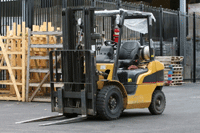
Bulldozers, scrapers, and tractors, oh my! A jobsite crawling with heavy equipment can sometimes feel like a danger zone. However, with the proper heavy equipment safety guidelines in place, you can reduce risk on your jobsite and help ensure your workers head home unscathed each and every day.
There are three main ingredients to safe heavy equipment operation: dependable equipment, proper training and a safety-first attitude, and constant awareness of all jobsite activity. If heavy equipment operators are equipped with these essentials, they’ll be better prepared to avoid jobsite hazards like injury, property damage, or worse. For financial protection, see Heavy equipment insurance.
Play it safe with dependable equipment
The Occupational Safety & Health Administration (OSHA) emphasizes the importance of equipment safety features. But safety goes beyond those basics. Equipment malfunctions—such as brake failures or faulty lights—can lead to serious workplace incidents and even costly workers’ compensation claims.
That’s why it's essential to develop custom inspection checklists for each type of heavy equipment. Operators should conduct a walkaround check and an in-cab inspection before each shift. At a minimum, checks should confirm that service, emergency, and parking brakes are working, that all lights function properly, and that the horn is operational. Employers should base these checklists on OSHA standards and the equipment manufacturer’s manual.
Regular inspections and maintenance not only improve safety but may also reduce the likelihood of claims under a commercial property or general liability policy, or the need to file for Heavy Truck Repair Insurance.
Steer clear of jobsite dangers
Operators should have full awareness of current jobsite activities to avoid potential hazards. Daily site activity checklists can help identify and communicate risks clearly.
Key dangers to watch out for
- Overhead lines: Each year, fatal injuries occur from equipment contacting power lines. Operators should treat all overhead lines as energized unless confirmed otherwise by utility authorities. Lines should be visibly grounded and properly marked. OSHA provides guidelines for safe clearance distances.
- Barricades: Clearly marked barricades indicate areas where heavy machinery is operating. These barriers help prevent unauthorized entry and reduce the risk of collisions and injuries.
- Hand signals: Communication is critical, especially when cranes or multiple machines are in use. OSHA-approved hand signals should be known by all operators and signalers to ensure clear direction and avoid confusion.
A simple miscommunication between a spotter and an operator could result in an accident involving nearby workers or equipment—underscoring the value of proper safety protocols and heavy trucks insurance coverage in high-risk environments.
Ensure safety with well-trained workers
A safe jobsite starts with trained, attentive workers. OSHA requires that only "competent persons" perform regular inspections of jobsites, equipment, and materials. Becoming competent takes training, experience, and a solid understanding of safety standards.
Employers should train all workers on equipment operation, hazard recognition, and emergency procedures. A well-trained workforce not only prevents injuries but can also reduce potential liability claims and help control workers’ compensation premiums. For specialized operations involving cranes or excavators, additional certifications may be required per OSHA rules.
Contractors, small business owners, and site supervisors often seek this type of safety guidance to protect their crews, equipment, and overall operations. Resources like Heavy Machinery Insurance can help tailor coverage to specific fleet needs.
Frequently Asked Questions
What is a "competent person" under OSHA rules?
A competent person is someone designated by the employer who has the knowledge and authority to identify hazards and take corrective actions on the spot.
How often should heavy equipment be inspected?
Equipment should be inspected daily before use, and more detailed inspections should be done on a scheduled basis based on the manufacturer’s recommendations.
What type of insurance covers heavy equipment accidents?
Heavy equipment may be covered under commercial property, inland marine, or heavy equipment insurance policies. Liability claims may fall under general liability or commercial auto depending on the situation.
Why are hand signals important on a jobsite?
Hand signals help operators and spotters communicate clearly in noisy environments, reducing the chance of accidents and misunderstandings.
Are barricades legally required around heavy equipment?
OSHA may require barricades in certain situations to prevent unauthorized access to dangerous zones, especially when equipment is operating.