Overview
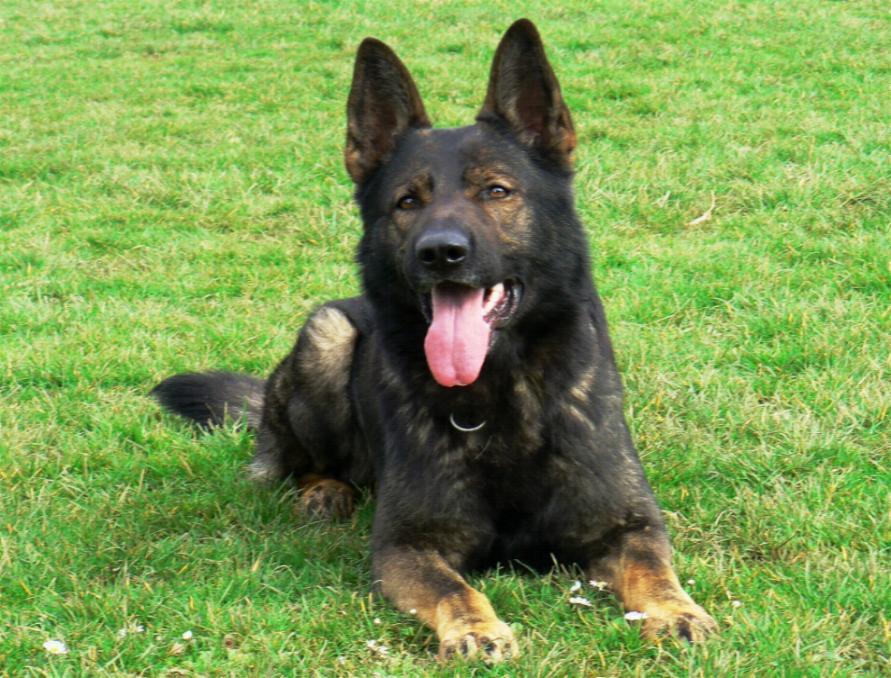 Dogs can reduce the risk of burglary by signaling an intruder’s presence and by creating uncertainty for a would-be thief. Both barking small dogs and intimidating large breeds have deterrent value when combined with other security measures.
This article explains how dogs contribute to home security, what to expect from insurance coverage related to pets, common errors homeowners make, and sensible next steps when you’re considering a dog for protection.
Key takeaways
- Both large and small dogs can deter burglars; size and temperament influence the type of deterrence.
- A dog should be one part of layered home security that includes locks, lighting, and alarms.
- Check lease or community rules and review your insurance policy for pet-related exclusions or liability limits.
- Discuss specific concerns and coverage details with an insurance representative before adopting a dog as a security measure.
How it works
A dog deters burglars mainly by creating noise and attention. Barking increases the chance neighbors will notice suspicious activity and can cause a burglar to abandon a plan to enter a home.
Large breeds can also provide an intimidating visual deterrent that may discourage a casual intruder from approaching. Small, vocal breeds may be less physically threatening but are effective when they alert occupants and neighbors quickly.
For broader prevention strategies that combine behavioral and environmental controls, see Home and Workplace Security: burglary prevention, employer email monitoring, and mobile device risks, which discusses lighting, visibility, and alarm placement alongside human and animal deterrents.
What it may cover (and what it may not)
Standard homeowners and renters insurance typically cover theft of personal property if a burglar gains entry. Coverage for dog-related liability or injury varies by policy and may exclude certain breeds in some contracts.
Medical costs for a dog injured during a crime are generally not covered by homeowner insurance; pet health insurance would be required for those losses. Also, insurance rarely treats a dog as a primary security device when evaluating claims tied to negligence or omitted safeguards.
For more details on policies that address animal-related risks and specialized coverages, see Animal Breeders Insurance Overview for examples of specialty animal policy considerations and exclusions. For liability specifics related to guard or aggressive breeds, see Guard (Dangerous) Dog Liability Insurance.
Common mistakes to avoid
Relying solely on a dog for security is risky; determined criminals may use distraction tactics, poison, or entry points where the dog cannot detect them. Always use layered defenses: locked doors, visibility from the street, and monitored alarms.
Assuming breed stereotypes are universal is another common error. Individual temperament varies, so selecting a dog based on temperament testing and training is more reliable than choosing solely for size or appearance.
Failing to check lease agreements, homeowners association rules, or local ordinances about breeds and animal limits can create avoidable conflicts or penalties. Verify rules before adopting a dog for security reasons.
Questions to ask an agent
Does my homeowners or renters policy have breed-specific exclusions or liability limits for dogs?
Will my policy cover theft of belongings if an intruder bypassed an alarm or other security hardware?
Are there endorsements or separate policies you recommend for animal-related liability or for protecting a dog against injury or theft?
If you want personalized coverage guidance, consider taking the next step to talk to an agent about your property, pet, and liability concerns.
Next steps
Combine a dog with physical security upgrades: good exterior lighting, deadbolts, window locks, and visible alarm signs. Trained behavior and a predictable routine increase a dog’s usefulness as an alert system.
Review policy language with an insurance professional and confirm any restrictions in your lease or community rules before bringing a dog into your home. If you need resources on specialty animal coverage, start with the internal guidance provided above and then discuss specifics with an agent.