Overview
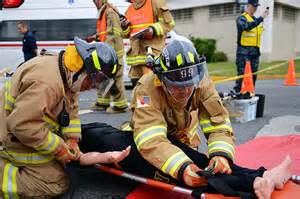 Safety drills are planned exercises that let people practice how to respond to emergencies such as fires, gas leaks, or active threats. They help teams test routes, alarms, communication plans, and decision-making under low-stress conditions so problems can be fixed before a real emergency.
Key takeaways
- Drills are primarily troubleshooting tools to reveal weaknesses in evacuation routes, alarms, and procedures.
- Regular practice can prevent small equipment failures or planning gaps from becoming disasters.
- Different threats require different responses; one-size-fits-all alarms are not always ideal.
- Combining drills with training and equipment checks improves overall workplace safety.
How it works
Organizations plan a scenario, notify staff, and then run the exercise to see how people and systems perform. Observers note delays, bottlenecks, and broken equipment so those issues can be fixed.
Many employers pair drills with practical training to reinforce appropriate responses; for example, some use site-specific courses such as First Aid Training for Workplace and Events to ensure staff can handle injuries that might occur during an evacuation. For information on training programs and coverage considerations, see School/Training Services Insurance.
What it may cover (and what it may not)
Typical drills test alarm activation, clear evacuation routes, assembly point procedures, and head counts. They may also include communication checks, fire extinguisher use, and emergency shutoffs for machinery.
Drills do not guarantee safety in every situation; they cannot eliminate all risks, and they are not substitutes for engineering controls such as sprinklers or suppression systems. When planning for fire scenarios, coordination with specialists and a review of suppression needs can be important; resources such as Fire Suppression Contractors Insurance material can help businesses identify professional requirements. Guidance on creating and documenting evacuation plans is available at Fire Safety and Evacuation Plan.
Common mistakes to avoid
Avoid treating drills as a one-time checkbox; infrequent or poorly observed drills do little to improve outcomes. Failing to record results or to assign follow-up tasks means the same problems will repeat.
Another mistake is using the same public-sounding alarm for all threats without considering whether gathering everyone in one place could increase risk. Also, not coordinating with local responders or ignoring equipment maintenance are common issues that drills can reveal if planned carefully.
Questions to ask an agent
Ask whether your insurance policy or risk-management advisor recommends specific inspection schedules or equipment standards for your industry. Clarify whether training or documented drill programs affect coverage or premiums.
Discuss whether adding workplace programs or supplies—such as those covered in materials like The Importance of Learning First Aid in the Workplace—will lower risk and how to document those efforts for claims or audits.
Next steps
Schedule regular, realistic drills that include observers and a written after-action report with assigned fixes. Test alarms, doors, lighting, and emergency equipment as part of the exercise.
If you're unsure how to start or what to prioritize, talk to an agent who can recommend coverage and risk-reduction steps tailored to your workplace size and hazards.
Frequently Asked Questions
Do drills actually save lives?
Drills can save lives by exposing and allowing correction of practical problems like blocked exits, faulty alarms, or unclear procedures before an emergency occurs.
How often should a workplace run drills?
Frequency depends on the workplace and local regulations, but many organizations run fire drills quarterly or biannually and conduct additional drills when staff or layouts change.
Should drills be announced in advance or surprise?
Both have value: announced drills allow practice of planned steps, while unannounced drills test real readiness and reveal unexpected issues.