Overview
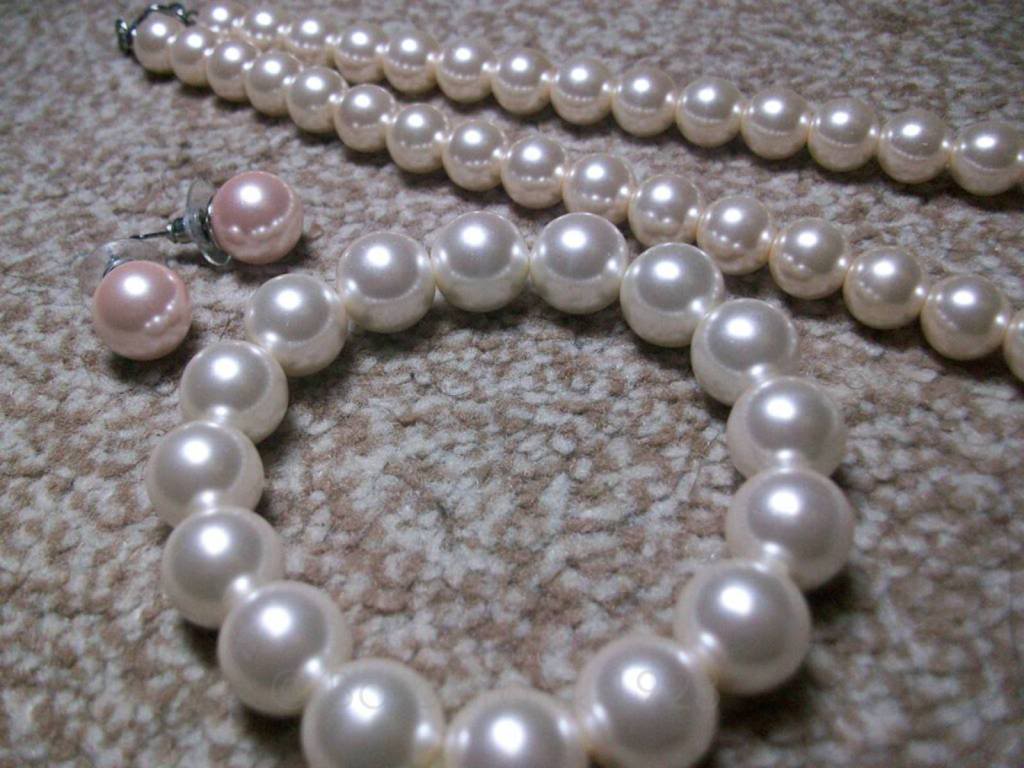 Proper storage and basic security measures extend the life and appearance of fine jewelry and reduce the risk of loss or theft. Different materials—diamonds, pearls, colored gems, gold and silver—each need specific handling to avoid scratching, tarnishing, discoloration or damage.
Key takeaways
- Store items separately in soft, fabric-lined compartments to prevent scratches and tangles.
- Protect pearls and soft stones from sunlight, heat and chemical exposure.
- Keep gold and silver dry and ventilated to slow tarnish; use silica packets or chalk in storage.
- Use theft-deterrent options—diversion safes, bolted fire safes, or bank safe deposit boxes—for valuable pieces.
How it works
Store diamonds individually or in divided compartments because their hardness can scratch other gems. Use a fabric-lined jewelry case or individual pouches to keep each piece isolated.
Pearls and other soft gemstones need gentle conditions: short-term storage in a soft, breathable pouch and long-term storage away from direct sunlight and heat will prevent yellowing and deterioration.
Gold and silver respond poorly to moisture and acidic products like lotions and perfumes. Keep these metals in breathable bags and add a moisture-absorbing pack such as silica gel or a small piece of white chalk to the storage area to slow tarnish.
What it may cover (and what it may not)
Homeowners or renters insurance policies may provide limited coverage for jewelry, but those limits are often low or subject to sub-limits and deductibles. For more detailed policy options, including scheduling high-value items, see Jewelry Insurance & Homeowners Policy Limits.
Specialized endorsements or standalone jewelry policies can cover loss, theft and sometimes mysterious disappearance or certain types of damage. Read policy terms carefully—coverage can vary by cause, value thresholds and whether items were in a safe or off-premises.
For specialized policies and coverage details on precious metals and related risks, see Jewelry and Precious Metal Insurance.
Common mistakes to avoid
- Storing mixed pieces together, which causes scratches and tangling.
- Keeping pearls or soft stones in airtight plastic that traps moisture and accelerates discoloration.
- Assuming standard home coverage fully protects very valuable pieces without a scheduled endorsement.
- Neglecting secure storage: expensive jewelry left in obvious places or unsecured drawers attracts opportunistic thieves.
Questions to ask an agent
When reviewing coverage, ask about policy limits for jewelry, whether individual items must be scheduled for full value, and what causes of loss are excluded. If you need help understanding options and limits, consult resources like Insurance & Safety: Child Travel, Jewelry Protection, Homeowners Limits, OTC Coverage for additional context.
- Do high-value pieces require a scheduled endorsement to be fully covered?
- What documentation (appraisals, photos, receipts) should I keep to support a claim?
- Are there coverage differences for items worn outside the home versus stored at home?
Next steps
Start by inventorying your collection with photos and appraisals for items of significant value, and store documentation separately. Consider upgrading storage to a bolted fire safe or a bank safe deposit box for the most valuable pieces, and evaluate insurance options such as endorsements or a specialty policy found through resources like Women's Accessory and Costume Jewelry Store Insurance when applicable to business or higher-value collections.
Retailers or shop owners should also review Jewelry Stores Insurance for storefront-specific coverage. If you want help comparing coverage or arranging a scheduled endorsement, talk to an agent who can review your needs and recommended next steps.
Frequently Asked Questions
How should I store pearls to keep them from yellowing?
Store pearls in a soft, breathable pouch away from direct sunlight, heat and chemicals; avoid airtight plastic that can trap moisture and accelerate discoloration.
Can my homeowners policy cover a stolen necklace?
Homeowners policies often provide limited jewelry coverage but may require scheduling high-value items for full protection, so check your policy limits and exclusions.
Is it safe to keep jewelry in a diversion safe?
Diversion safes can deter casual thieves but are not foolproof; combine them with other measures like a bolted safe or bank safe deposit box for higher-value items.
What documentation helps if I need to file a jewelry claim?
Keep appraisals, receipts and dated photographs in a secure place to support valuation and proof of ownership during a claim.