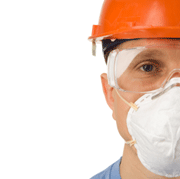
Workplace conditions have a substantial impact on employee performance. By workplace conditions, we aren’t just referring to an employee having the opportunity to advance, being recognized for a job well done, or salary or benefit offerings. The quality of the air in the workplace also has a substantial impact on productivity and health.
Most have already heard the term sick building syndrome (SBS) to describe situations where occupants of a particular building experience health and comfort effects from spending time in that building. Employers have only recently begun to realize the extent to which a sick building can affect employee output. For more on related hazards and risk management, see Workplace Safety and Challenges.
What causes air quality problems in the work environment?
Every environment has a unique combination of external and internal factors, so what causes problems in a neighboring business isn’t necessarily the cause in your facility. Each environment should be evaluated to determine the combination of factors present in that building.
One factor that has received attention is chemical contaminants. These can be fatal in some cases. Chemical contaminants enter the air in two common ways: off‑gassing from equipment or machinery, and outdoor chemicals (for example, pesticides or fertilizers) being drawn into the building. Without adequate circulating fresh air, these contaminants can accumulate and cause health effects.
Contaminants from fungi, mold, or bacteria are also concerns. Building fungi and bacteria are often the result of carelessness and are typically discovered during routine site inspections. If the environment is hospitable, fungi and bacteria can grow quickly and are commonly found in places like a wastebasket containing food, a poorly or infrequently cleaned coffeepot, or a filthy staff break room. Mold is often uncovered through professional inspection and requires professional removal. Consider professional cleaning or remediation practices; see Building Trust and Safety in the Workplace.
The detrimental effects of poor air quality can spread rapidly. Resolutions should begin as soon as the source of contamination is identified, and prevention is preferable whenever possible.
Maintenance and inspection steps
- While the HVAC isn’t running, inspect the condensation pan and clean any debris. A dilute sanitizer (for example, 1%–5% sodium hypochlorite) can be used; rinse the pan with clear water afterward.
- Rooftop outdoor air intakes on some HVAC units may need a bird screen; the installer can advise whether this is necessary. If installed, inspect it monthly.
- Ensure all rooftop exhaust fans are within operational guidelines and replace or repair any that are not working properly.
- Make sure air filters fit tightly in their racks without gaps, since a leaky filter decreases effectiveness.
- Routinely inspect intake air vents. If exhaust fans are running while vents are blocked, negative pressure can imbalance the HVAC and cause moisture control problems.
- Clean accumulated dust from fan coil units and fiberglass liners. Replace any fiberglass liner that has deteriorated, turned black, or is otherwise soiled.
- Before turning the HVAC system on, properly exhaust the building. Warm, humid air that accumulated during non‑operational hours can condense when mixed with cool air from the air conditioner, adding moisture that may create larger mold or humidity problems.
Prompt identification and remediation of the source, plus routine maintenance and good housekeeping, help maintain healthy indoor air and protect employee well‑being.
Frequently Asked Questions
What is sick building syndrome?
Sick building syndrome refers to situations where building occupants experience acute health or comfort effects linked to time spent in a particular building, often due to poor indoor air quality or ventilation.
How can I tell if mold is a problem in my workplace?
Visible mold, musty odors, unexplained respiratory symptoms among occupants, or a history of water damage are common signs that professional inspection is warranted.
How often should HVAC components be inspected?
Many components should be inspected monthly or seasonally, such as filters, intake vents, and rooftop fans; follow manufacturer recommendations and local best practices.
Who should handle mold removal?
Significant mold growth should be handled by professionals trained in remediation to ensure safe and effective removal and to limit spread during cleanup.