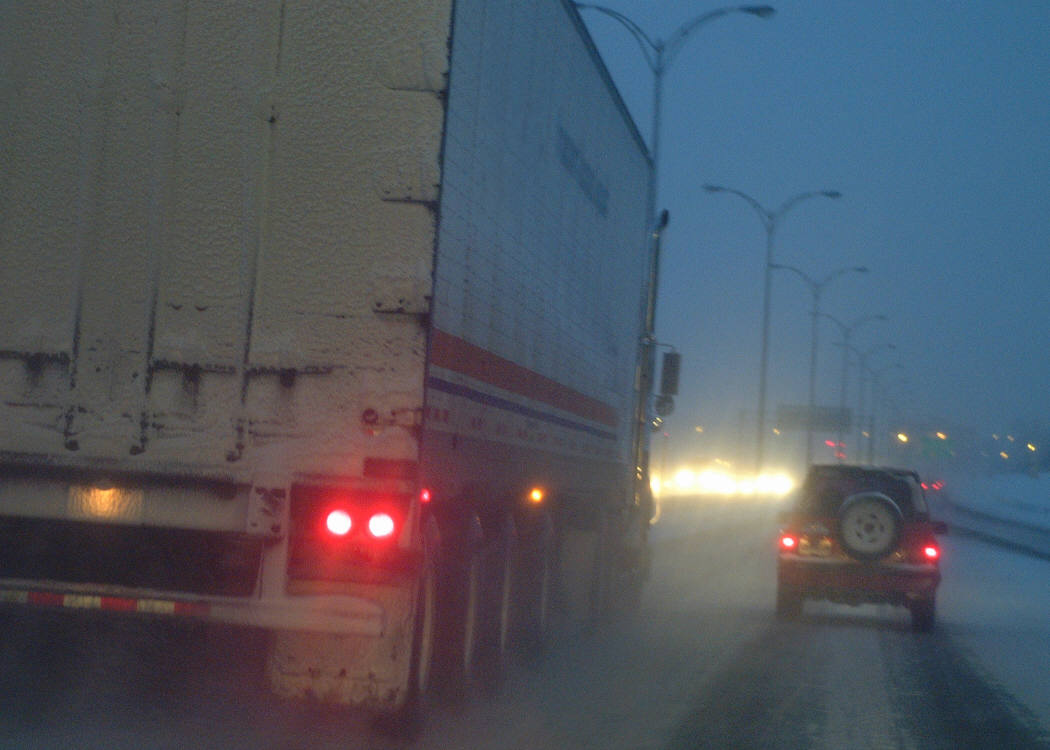
 You're traveling at 70 miles per hour on a busy highway when you blow a tire. Your car hits an unexpected slick spot and starts to fishtail. Your brakes or steering suddenly lock up.
In these situations, being prepared can make the difference between a close call and a serious crash. Make sure employees who drive for work are trained to handle common driving emergencies by following these guidelines.
A blown tire:
- Hang on to the steering wheel.
- Don't brake suddenly.
- Ease off the gas and coast until you have control of the car.
- Turn on your hazard lights to warn the drivers around you.
- Steer smoothly.
Skidding or hydroplaning:
- Don’t make any sudden moves, such as braking hard or jerking the wheel.
- Ease off the gas.
- Steer the car’s nose gently in the direction you'd like to go. Make adjustments gradually until the vehicle is moving in a straight line.
Failed steering:
- Don't brake – a sudden change in speed could send the car spinning.
- Ease off the gas.
- Turn on your hazard lights.
- Coast to a stop, using your brakes gently once the car slows on its own.
Your brakes fail:
- Downshift.
- Move to the right, remembering to signal as needed.
- Because the failure might be temporary, keep your foot on the brakes. If you have ABS, apply steady pressure; if you don't have ABS, pump the brakes.
- Shift into neutral and apply your emergency brake.
- If possible, use friction to slow or stop the vehicle by running it along a curb or something alongside the road.
For more information, see Driving Safety Tips and Insurance Considerations, Understanding EEOC Requests and Workplace Preparedness, or Meals on Wheels Insurance Overview.
To discuss coverage options or next steps, talk to an agent.
Frequently Asked Questions
What should I do immediately after a tire blows out?
Keep a firm grip on the wheel, avoid hard braking, ease off the gas, and steer smoothly to regain control before bringing the vehicle to a safe stop.
How can I tell if my car is hydroplaning?
If the steering feels light or unresponsive and your tires seem to be sliding on water, ease off the gas and steer gently in the desired direction until traction returns.
How does ABS affect what I should do if brakes feel like they're failing?
If you have ABS, apply steady pressure to the brake pedal; if you don't have ABS, pump the brakes while attempting other measures like downshifting and using the emergency brake.
When should I contact my insurer after a driving emergency?
Contact your insurer as soon as it is safe to do so—reporting incidents promptly helps with claims and ensures you get guidance on next steps.