Technology has advanced the speed and scale at which consumers can communicate about their brand interactions. As a result, businesses have had to determine how to respond to customers on a personal level in what is now a very public, digital space.
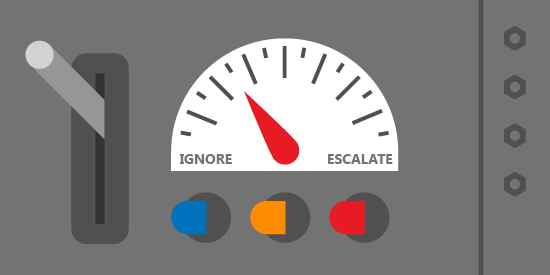
If a person had a poor customer experience at a restaurant a few years ago, they may have warned friends or written their complaints on a comment card. Today many people feel comfortable venting their frustrations to a much larger, public audience: the entire Internet. Many companies are still working to identify which grievances necessitate a personal reply, which can be left alone, and which require escalation or a security response.
We reached out to Microsoft privacy experts to ask how companies should approach online customer feedback, especially where privacy and security are concerned. In an interview with Microsoft for Work, Marisa Rogers, Global Sales and Marketing Privacy Manager, and Kristi Berry, Senior Privacy Manager, weighed in on the issue.
MS4Work: How has privacy changed in the world of digital and social media?
Berry: This is a huge question. Things have changed a lot because of evolving industry trends and attitudes toward technology and social media. In general, people are more comfortable with some types of data collection and are paying more attention to what's going on. For us, that makes it increasingly important to provide customers with clear controls so they can manage their privacy.
MS4Work: When customers voice a complaint via social media, they can't hide. Their name is attached to the comment. Can that ever backfire?
Rogers: There were news reports of a man who tweeted about a bad customer service experience while boarding a Southwest flight and included a gate location and an agent's first name. It led to his removal from the plane and an interview by security officials before he was allowed to continue. In public forums, people are increasingly using social media to comment both positively and negatively on customer service.
In that case there was heightened sensitivity because the incident took place in an airport. Companies need to carefully consider how they respond and ensure the response is proportionate to the complaint. Transportation businesses should also review coverage and risk plans for public-facing operations; see Customer Transportation Insurance for Commercial Passenger Transport for one example of specialized coverage considerations.
MS4Work: How can business owners differentiate between comments that necessitate an urgent response and those that can be left alone?
Rogers: First, be prepared to receive complaints. Have a plan of action for how to address neutral-to-negative comments about your business. That may include drafting standard responses and thinking about ways to diffuse difficult situations through social media.
Remember you can take the conversation offline if it's more appropriate to address the person's specific issue. For some organizations, risk management and insurance are part of that preparedness—businesses that operate social programs or services may want to review relevant protections such as Social Services Insurance.
Certain situations require escalation to security or legal teams, and other complaints can be handled directly with the customer. Train staff to recognize threats, privacy concerns, and potentially sensitive disclosures so your response is timely and measured.
If you're unsure how to apply these practices to your business, consider reaching out to local support or ask an agent for guidance tailored to your operations.
Frequently Asked Questions
When should I reply publicly to a social media complaint?
Reply publicly when the issue is general and your response can help others; take personal or sensitive details offline to protect privacy.
How do I protect customer privacy when responding online?
Limit the use of personal identifiers in public replies and move specific account or security issues to a private channel.
What signs indicate a complaint needs escalation?
Escalate if the complaint mentions threats, safety concerns, potential data breaches, or legal issues that require specialist review.