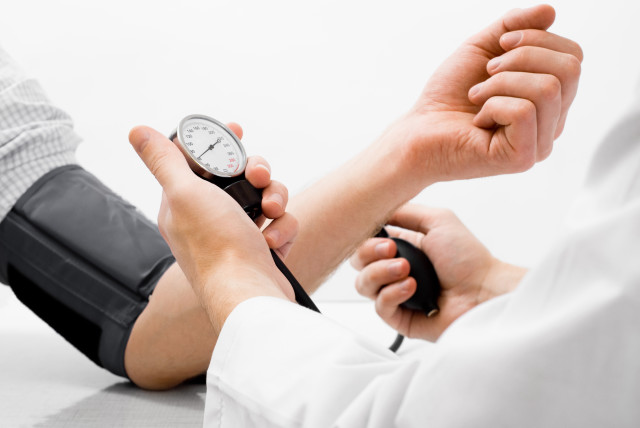
 Sixty-seven million U.S. adults—about one in three—have high blood pressure, a condition that makes the heart work harder and raises the risk of heart disease and stroke. High Blood Pressure Awareness Month is a good reminder to take steps to lower your risk.
1. Know if You're High Risk
Everyone can develop high blood pressure, but some people have higher risk because of age, genetics, medical history, or race.
- Men under 64
- Women over 65
- Family history of high blood pressure
- African Americans
- Previously diagnosed diabetes, kidney disease, or high blood pressure
Ask your doctor what your personal blood pressure target should be as you work to stay healthy.
2. Reduce Sodium Intake
Sodium is a major contributor to high blood pressure. Most Americans consume about twice the recommended amount—2,300 mg per day for healthy adults and 1,500 mg for people at higher risk.
Cut high-sodium processed foods and flavor meals with herbs and spices instead of extra salt.
For workplace-specific insurance topics and related risk guidance, see High Steel Erectors Insurance.
3. Eat More Potassium
Potassium helps counteract the effects of sodium on blood pressure. Good sources include leafy greens, fish, citrus fruits, bananas, and potatoes.
4. Maintain a Healthy Weight
Reaching and keeping a healthy weight reduces high blood pressure risk. Aim for at least 30 minutes of moderate activity most days and follow a balanced eating plan.
Talk with your doctor for personalized guidance on weight and activity goals.
5. Cut Smoking and Alcohol
Smoking raises blood pressure and damages blood vessels; ask your doctor about quitting resources and programs that can help.
Limit alcohol to two drinks a day for men and one for women.
6. Take Prescribed Medications
If your doctor prescribes medication for high blood pressure, take it as directed. Use a daily routine or reminders to stay consistent.
No single action eliminates blood pressure risk, but combining these steps helps you stay as healthy as possible. For broader insurance and risk information, see Insurance and Risk Highlights: Health, Retirement Mortgages, Employment Termination, Water Damage, Frozen Pipes. Also review Water Pressure Cleaners Insurance for related topics. For additional tips, talk to your doctor and ask your agent.
Frequently Asked Questions
What counts as high blood pressure?
High blood pressure is generally defined by consistent readings above 130/80 mm Hg, but your doctor will set a target based on your overall health.
How often should I have my blood pressure checked?
Adults should have blood pressure checked at least once a year, and more often if readings are elevated or you have risk factors.
Can lifestyle changes really lower blood pressure?
Yes. Reducing sodium, increasing potassium, losing weight, exercising, quitting smoking, and limiting alcohol can all lower blood pressure and improve heart health.