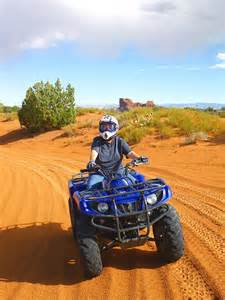
Overview
All-terrain vehicles (ATVs) are popular for recreation, work around the property, and trail riding with friends and family. Insurance helps protect your investment from theft, collision, or liability if you cause injury or property damage while riding.
Policy details vary by insurer and by how you use the machine — recreational use, farm work, or commercial operations can affect available coverages and cost. For a focused starting point on coverage options, see All-Terrain Vehicle (ATV) Insurance.
Key takeaways
- Choose a policy that matches how and where you ride, not just the vehicle model.
- Safety classes, secure storage, and a clean riding record lower premiums.
- Compare insurers and ask about multi-policy discounts before buying.
How it works
ATV insurance typically combines property coverage for damage or theft with liability protection if you injure someone or damage another person’s property. Optional coverages may include roadside assistance, medical payments, and replacement-cost provisions.
Below are practical steps and considerations to help reduce premiums and get appropriate protection.
- Buy the right model: Utility models usually cost less to insure than sport or heavily modified machines.
- Complete a safety course: Many insurers recognize formal training and may offer discounts.
- Keep a clean riding record: Avoiding negligent operation and riding only where permitted helps maintain lower rates.
- Secure your ATV: Locked storage and anti-theft devices reduce theft risk and insurance costs.
- Compare policies: Deductibles, limits, and endorsements vary between companies — shop before you buy.
- Bundle policies: Insurers often offer discounts when you combine home, auto, and ATV coverage.
- File claims judiciously: Small repairs paid out-of-pocket can prevent a claims history that raises premiums.
What it may cover (and what it may not)
Standard ATV policies often cover collision damage, comprehensive losses (theft, fire, vandalism), and liability for third-party injuries or property damage. Medical payments or personal injury protection may be available depending on the insurer and state rules.
Typical exclusions include intentional damage, unpermitted or illegal use, and certain competitive or racing activities. If you need broader off-road protections for trail clubs, rented land, or commercial use, read policy limits carefully and consider resources like Off-Road Insurance for specialized options.
Common mistakes to avoid
One frequent error is assuming ATV coverage is included on a standard auto or homeowner policy; coverage and limits often differ significantly. Another mistake is failing to list all regular riders or to disclose commercial use.
Also avoid buying coverage based solely on price without checking deductibles, agreed-value vs. actual cash value, and exclusions. For dealers or businesses that sell or service ATVs, see guidance like ATV Dealer Insurance Overview to understand additional exposures.
Questions to ask an agent
When you speak with an agent, confirm what the policy covers, the deductible amounts, and whether replacement-cost coverage is available for newer machines. Ask whether safety-course completion, anti-theft devices, or multi-policy discounts apply to your quote.
Also inquire about geographic limits, permitted uses, and any endorsements needed for trailers, attachments, or hired riders.
Next steps
Inventory your ATV (make, model, VIN, accessories) and document secure storage and any safety training certificates before you shop. Compare at least three insurers and read policy sample forms to understand exclusions and limits.
If you want help getting a tailored cost estimate or to review coverage options, talk to an agent who can compare available plans and discounts for your situation.
Frequently Asked Questions
Do I need a separate policy for my ATV?
Often yes; ATVs are not always covered under standard auto policies, so a dedicated ATV or off-road policy is usually recommended.
Will my insurance cover rental or borrowed ATVs?
Coverage for rented or borrowed ATVs varies by policy; always check the insurer’s terms and consider short-term rental insurance if needed.
Can I get a discount for taking a safety course?
Many insurers offer discounts when the owner or regular riders complete an approved ATV safety course, so keep your certificate handy.
What should I do if my ATV is stolen?
Report the theft to police immediately and notify your insurer to start a claim; having serial numbers and photos speeds the process.