 Construction sites look like a top‑notch playground to kids. We were all young once, so take extra steps to make your site child‑proof and reduce liability and injury risk.
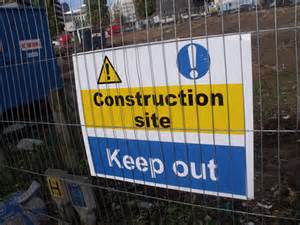
Start with physical barriers: fence the site, at minimum using orange safety fencing, and install temporary gates for overnight and weekends. Post clear "No Trespassing" signs to deter casual entry.
Where practical, grade the site to remove or reduce piles of soil and open excavations. Children are especially vulnerable to crush injuries from shifting soil and unstable trenches, so eliminate these hazards when possible.
Use plastic caps on all exposed reinforcement bars to prevent impalement injuries, and remove or safely store loose nails, scrap lumber, wire, sheet metal, flashing, and other sharp objects.
For related excess coverages and site-risk products, see Lawn Care Light Construction Excess Insurance.
Avoid stacking materials high and secure any remaining piles; kids can climb and topple unstable loads, causing crushing or falling injuries.
Keep unfinished utility hook‑ups closed or clearly blocked off so curious visitors cannot access live systems or deep openings.
Discourage visitors from bringing children to day‑time inspections, including prospective owners. The more neighborhood children see that kids are welcome, the more likely they are to view the site as a play area.
If children must visit, require the same personal protective equipment (hard hat, safety vest, closed‑toe shoes) that you require of all visitors and supervise them closely.
Lockup and housekeeping checklist
- Close all entrances with secured plywood or proper doors.
- Do not leave ladders on site or leaning against structures.
- Cover or close all floor openings; children can slip through surprisingly small gaps. If staircases are missing, secure openings with nailed or screwed plywood rather than relying on guardrails alone.
- Store as few tools on site as possible and lock what remains in a secured container.
Many of these steps are simply good housekeeping and basic site security. For guidance on setting up consistent controls and training for crews, see Construction Job-Site Safety & Risk Management.
When planning fencing, consider locating access points away from neighborhood streets, parks, and playgrounds so the natural flow of children is less likely to intersect the site. This is harder in new subdivisions, but moving openings away from dense housing reduces temptation.
Curiosity drives children to explore. Think about every measure you use to keep adults out and increase security beyond that level—physical barriers close to entrances are most effective, since cameras tend to deter adults but not children.
For pollution liability considerations related to landscaping and garden operations near sites, see Nurseries and Garden Stores Pollution Liability.
If you want to review insurance options related to new builds or subdivision projects, consider resources such as New Home Construction Insurance to understand typical coverages.
If you prefer professional help applying these practices or reviewing your site plan, you can talk to an agent about risk management and coverage options.
Frequently Asked Questions
What fencing is best for temporary jobsite security?
Orange safety fencing is a common, visible temporary option; combine it with locked gates or plywood barriers for greater security.
Are plastic rebar caps required?
Plastic caps are a low‑cost precaution to prevent impalement and are strongly recommended wherever rebar is exposed at child or pedestrian height.
Can I allow owners to bring children to walkthroughs?
Discourage it when possible; if a child must attend, require PPE and constant supervision to reduce risk.
How often should I check the site for small hazards like nails or scrap metal?
Perform a daily or shift‑end sweep to remove loose hazards and reduce the chance of injuries to trespassers or workers.