Overview
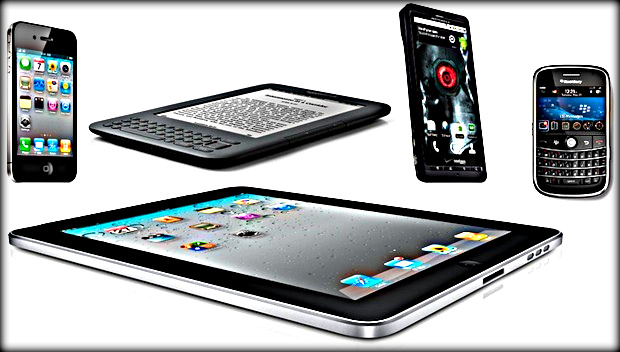 Many businesses now allow employees to use personal smartphones, tablets, and laptops for work. That “bring your own device” (BYOD) flexibility can cut equipment costs and speed communications, but it also increases the risk that confidential data will be lost, stolen, or accessed by attackers.
Personal devices typically receive less oversight than company-managed hardware, and employees often mix work and personal data on the same device or sync files to consumer cloud services. In addition, lost or stolen phones and laptops are common targets for thieves, creating a pathway for corporate data exposure and potential customer privacy incidents.
Key takeaways
- BYOD boosts productivity but raises cybersecurity and physical-theft risks.
- Technical controls (encryption, auto-lock, remote wipe) plus employee training reduce exposure.
- Risk transfer through the right insurance and pre-loss planning helps manage financial and reputational harm.
How it works
When employees use personal devices for work, company data can be stored locally on the device, cached in apps, or uploaded to third-party cloud services. Each storage point expands the attack surface and creates more places where data can leak if a device is compromised.
Hackers exploit weak passwords, outdated software, unsecured Wi‑Fi, and phishing attacks to gain access. Physical theft presents a separate but related risk: a stolen device with unencrypted data can give immediate access to business files and customer information.
What it may cover (and what it may not)
Risk controls for BYOD usually include policies, technical protections, and training. Policies define permitted apps, data separation expectations, and reporting procedures for lost devices. Technical protections include device encryption, mandatory auto-lock, strong password requirements, and the ability to remotely wipe corporate data.
Not every loss is covered by a general business policy; some incidents fall under cyber liability or specialist coverages. For help assessing insurance options and planning audits, consider reviewing resources like Security Audit Insurance and guidance on Company-Issued Mobile Devices: Liability, Security, and Related Topics.
Common mistakes to avoid
Failing to require basic technical protections is a frequent error. Devices without auto-locks or encryption are easy targets if lost or stolen.
Another mistake is weak or inconsistent BYOD policies. If employees are unclear about acceptable use, data-handling rules, or reporting steps, the organization is more likely to experience preventable breaches.
Assuming consumer cloud services are always secure is risky; many employees use personal storage accounts for convenience, which can lead to work data being stored outside corporate controls.
Questions to ask an agent
Which coverages help with data breach response, customer notification, and regulatory fines related to lost or stolen devices?
Does the policy cover third‑party storage used by employees, and what conditions or exclusions apply to BYOD incidents?
How does the insurer view pre-loss controls such as mobile device management and security audits, and can those controls affect premiums or eligibility for coverage? For practical protection options targeted at electronic assets, see Protecting Business Electronic Devices.
Next steps
Start by documenting a BYOD policy that requires device locks, strong passwords, regular updates, and approved cloud services. Offer brief training so employees understand how to separate personal and work data and what to do if a device is lost.
Work with IT to implement basic technical controls: full-disk encryption, automatic screen lock, and the ability to remotely wipe corporate data. Consider device management solutions for stronger control over company information on personal hardware.
Finally, review insurance options and discuss your risk profile with an agent. If you want to move forward, you can talk to an agent about coverage tailored to mobile-device exposure and cyber liability.
Frequently Asked Questions
What is the single most effective control for a lost device?
Enabling full-disk encryption combined with a strong auto-lock and a remote-wipe capability provides the best protection if a device is lost or stolen.
Should employees use personal cloud storage for work files?
Generally no; company-approved cloud storage with managed access controls and logging is safer than personal accounts that the employer cannot control.
Will standard business insurance cover a data breach from a personal device?
Not always; cyber liability or specialized endorsements are often needed to cover breach response costs and related liabilities from BYOD incidents.