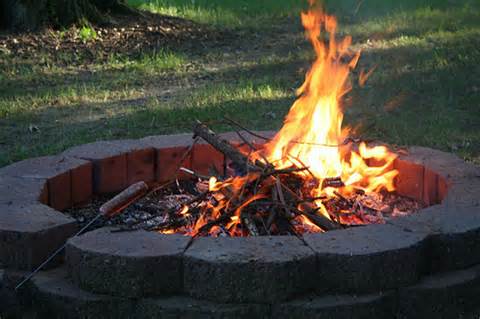
Overview
Fire pits are a popular way to extend outdoor living into the cooler months, but an open flame introduces predictable risks. This guide explains practical steps for safe setup, operation, supervision, and full extinguishment so you can enjoy evenings outside while reducing the chance of injury or property damage.
Key takeaways
- Place the fire pit on a stable, nonflammable surface and keep it well away from structures and low-hanging branches.
- Use approved starting materials, avoid accelerants, and never leave the fire unattended.
- Keep a way to extinguish the fire nearby and fully douse coals and embers before leaving the area.
- Know how your homeowner or renter policy handles accidental damage and liability; prepare accordingly.
How it works
Safe fire pit use relies on three simple controls: separation, supervision, and suppression. Separation means locating the pit so sparks and heat cannot reach combustibles. Supervision means assigning a responsible adult to monitor the fire at all times and to keep children and pets a safe distance away. Suppression means having tools on hand—water, a hose, or a fire extinguisher—and thoroughly extinguishing the fire when you’re finished.
Start small with tinder, kindling, and progressively larger fuel; this reduces the temptation to use accelerants that can cause flare-ups. A fitted spark screen reduces airborne embers and helps prevent accidents in windy conditions.
What it may cover (and what it may not)
Homeowner and renter policies often cover accidental property damage or third-party injury caused by a fire pit, but coverage varies by policy and circumstance. Intentional misuse, gross negligence, or violations of local codes may limit or void coverage.
For a broader look at related liability and property concerns, see Discharge Planning; Host Liquor Liability; Fire Pit Safety; Electronic Device Failure to better understand how different exposures are handled. For sprinkler-specific exposures, see Fire Sprinkler Insurance. For school or institutional settings, see Fire/Schools Insurance.
Common mistakes to avoid
- Placing the fire pit too close to the house, deck railings, or combustible landscaping.
- Using gasoline or other accelerants to start or relight a fire.
- Leaving coals or embers smoldering overnight without checking they are cold to the touch.
- Allowing unsupervised children or pets near the fire area.
Questions to ask an agent
When reviewing your insurance with an agent, ask about how accidental fire damage and medical liability are treated under your policy and any specific exclusions that might apply to outdoor fire features.
It can help to reference related risk topics; for additional background on overlap between property and liability concerns, see Discharge Planning; Host Liquor Liability; Fire Pit Safety; Electronic Device Failure.
Next steps
Before your next gathering, confirm a safe location, clear the surrounding area of combustibles, have extinguishing tools ready, and designate a responsible adult to supervise the fire until it is fully out.
If you want a quick review of coverage or to update your policy, you can ask an agent about how your insurance responds to outdoor fire risks.
Frequently Asked Questions
How far should a fire pit be from my house?
Place a fire pit at least 10 feet from structures and overhangs; check local codes and manufacturer instructions for any greater minimum distances.
Can I use a fire pit on a wooden deck?
Using a fire pit on a wood deck increases risk; if necessary, use an approved barrier or pad and follow the manufacturer's clearance recommendations to reduce risk.
What should I have on hand to extinguish a fire pit?
Keep a garden hose, bucket of water, or a fire extinguisher rated for wood/solid fuel fires nearby and use them to fully douse embers when finished.
Will my homeowner's insurance cover injuries to guests?
Many policies provide liability coverage for guest injuries, but coverage depends on policy terms and whether negligence or prohibited activity contributed to the injury.