Overview
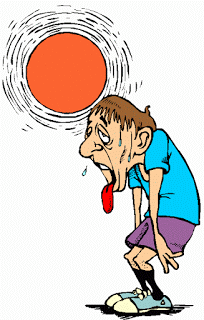 Hot weather increases the risk of heat-related illness for many kinds of workers, especially those who spend time outdoors or who do physical labor in warm conditions.
This guide explains how heat exhaustion develops, simple workplace prevention steps, basic first aid, and next steps employers and workers can take to reduce risk.
Key takeaways
- Heat exhaustion is preventable with hydration, rest, acclimatization, and schedule adjustments.
- Employers should provide water, shade, breaks, and training on early symptoms and first aid.
- Recognize warning signs—headache, nausea, dizziness, pale skin, heavy sweating—and act quickly.
- When symptoms persist after rest and cooling, seek emergency medical care.
How it works
Heat exhaustion occurs when the body can no longer cool itself effectively. Prolonged heat exposure and physical exertion increase core temperature, strain the cardiovascular system, and deplete fluids and electrolytes.
Workers new to hot conditions are especially vulnerable until they acclimate over days to weeks. Factors that raise risk include heavy clothing or personal protective equipment, certain medications, limited water access, and high humidity where sweat cannot evaporate.
Employers should assess tasks, rotate workers for strenuous jobs, and schedule heavy work during cooler parts of the day when possible. If your organization runs outdoor programs, plan schedules and hydration strategies accordingly—this is especially important for businesses like Summer Camps with Horseback Riding Insurance that combine activity with prolonged sun exposure.
What it may cover (and what it may not)
Workplace safety plans and training can cover prevention steps, symptom recognition, and on-site first aid. Providing cool water, shaded rest areas, and written procedures for heat incidents are practical measures that reduce risk.
Emergency response items such as transport to medical care or calling emergency services are part of a sound plan, but medical treatment and follow-up care are provided by healthcare professionals and are not substitutes for preventive measures.
Insurance that addresses business operations may help organizations manage liability and continuity risks; facilities with specific public-facing activities should review their insurance needs to confirm proper coverage for outdoor programs or events.
Common mistakes to avoid
- Assuming only outdoor workers are at risk—indoor workers performing heavy tasks can also overheat.
- Relying solely on water without addressing electrolyte balance for long or intense work in heat.
- Ignoring early symptoms or pressuring workers to continue despite lightheadedness or nausea.
- Failing to provide acclimatization time for new hires or workers returning from time off.
Questions to ask an agent
Ask whether your current policies and workplace procedures include guidance or endorsements for outdoor operations, seasonal staff, and event coverage.
Request examples of how a policy would respond to claims related to on-site incidents or cancellations caused by extreme heat or heat-related operational disruptions.
Next steps
Write a simple heat-safety plan that names responsible staff, defines break schedules, and identifies shaded or cooled recovery areas.
Train supervisors and workers to spot symptoms and practice quick cooling measures: move the person to shade or an air-conditioned space, loosen clothing, offer small sips of water or electrolyte drink, and monitor closely.
Review industry-specific risks and protections for venues and productions that host audiences or events; facilities that operate performance spaces should consider appropriate product options such as Theatrical producers insurance when planning for operational continuity and liability.
If you want to review coverage options or get assistance implementing workplace practices, consider reaching out to a broker so you can talk to an agent about tailored solutions.
Frequently Asked Questions
What are the first steps if a worker shows signs of heat exhaustion?
Stop work immediately, move the person to a cool place, give small sips of water or electrolyte beverage, loosen clothing, and monitor; if symptoms do not improve in 15–20 minutes, seek emergency medical care.
How much water should workers drink during a hot shift?
Encourage frequent small amounts of water throughout the shift rather than large infrequent drinks; exact needs vary, but a good rule is regular intake before feeling very thirsty.
Can workers acclimate to heat, and how long does it take?
Yes—most people acclimate over about 7–14 days of gradual exposure and progressive increase in workload; supervisors should allow lighter duties initially.
Are sports drinks better than water for preventing heat exhaustion?
Sports drinks can help replace electrolytes during prolonged, intense work but water is fine for routine hydration; use sports drinks selectively for longer or more strenuous exposure.