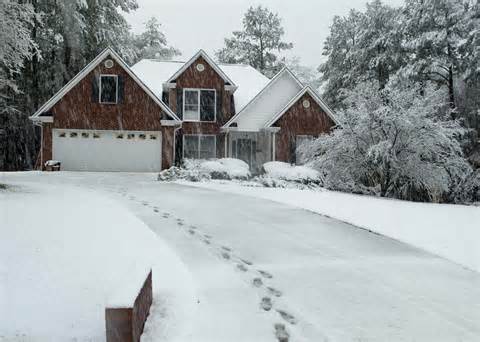
Overview
Extreme cold events can cause more than discomfort: they create hazards for pipes, heating systems, and the structure of a home. Preparing ahead reduces risk of damage and helps keep people safe indoors.
This guide explains practical steps for winterizing a house, how common insurance coverages respond to cold-weather losses, and what to check with your insurer or agent.
Key takeaways
- Seal drafts, insulate exposed pipes, and maintain heating equipment to reduce freeze and heat-loss risks.
- Routine maintenance and timely repairs matter for both safety and possible insurance coverage.
- Document conditions and damage promptly; some losses may be covered while neglect generally is not.
- Contact a licensed agent to review your policy limits, exclusions, and protection options.
How it works
Cold air enters homes through gaps around doors and windows, and through uninsulated attics and crawlspaces; sealing these drafts slows heat loss and reduces strain on heating systems.
Heating systems and furnaces need regular care—changing filters and scheduling inspections reduces malfunction risk during prolonged cold. Replace filters monthly during heavy use to maintain airflow and efficiency.
Water in pipes can freeze, expand, and burst when temperatures drop. Insulating exposed pipes and shutting off and draining exterior spigots are low-cost preventive steps that reduce the chance of water damage.
For additional preparedness checklists and property-focused resources, see Winter Weather Preparedness.
What it may cover (and what it may not)
Standard homeowners policies commonly cover sudden, accidental water damage from a burst pipe, provided the pipe failure was not caused by neglect. Coverage also applies to physical damage from heating-related accidents in many policies.
Policies typically exclude damage resulting from failure to maintain the home, such as ignoring a known broken pipe or failing to heat an unoccupied property when that is a stated requirement. Review your policy's definitions and exclusions carefully.
If you have specialized concerns about plumbing or mortgage-related property requirements, consider the guidance available at Winter Pipe Protection and Mortgage Process Tips, and for multi-property or employer-sponsored programs see Aggregate and Specific Stop Loss Protection Insurance.
Common mistakes to avoid
- Leaving vents, crawlspaces, or attic hatches unsealed—these let cold air in and increase freezing risk.
- Neglecting routine heating maintenance and not changing filters when recommended.
- Failing to shut off and drain exterior faucets and irrigation systems before freezing temperatures arrive.
- Assuming every cold-related loss is covered without checking policy language or required preventive actions.
- Not documenting pre-loss conditions or damage with photos and notes, which can slow or weaken a claim.
Questions to ask an agent
Does my policy cover sudden burst pipes and the resulting water damage, and are there limits or special deductibles for water-related losses?
Are there specific maintenance duties or temperature requirements for vacant properties to keep coverage in force?
Would additional endorsements or flood/sewer backup coverage be recommended for my area and home type?
How does claims documentation work after a winter-related loss, and what immediate steps should I take to protect property and evidence?
Next steps
Before the next cold spell, seal visible drafts, insulate pipes, replace furnace filters, and drain outdoor water lines to reduce risk of loss.
Keep a simple emergency kit and a list of local repair professionals for quick response if a pipe freezes or heating fails. Owners of manufactured homes may also review Manufactured Homes Haulers Insurance for related considerations.
If you want a policy review or to discuss coverage options, please ask an agent who can explain limits, exclusions, and any optional endorsements that may help protect your home.
Frequently Asked Questions
Will my homeowners policy pay for a frozen pipe that bursts?
Many policies cover sudden, accidental water damage from a burst pipe, but coverage can be denied if the insurer determines the pipe failed due to neglect or lack of maintenance.
What immediate steps should I take if I discover a frozen pipe?
Turn off the water main if there is a leak, safely open cabinets to warm the area, and contact a licensed plumber and your insurer to report the damage and next steps.
How often should I replace furnace filters during winter?
Replace disposable furnace filters monthly during heavy use to maintain airflow and reduce strain on heating equipment, or follow the manufacturer's guidance for your system.
Does leaving my home vacant during winter affect coverage?
Many policies impose special conditions for vacant homes, including temperature and inspection requirements; check your policy and notify your agent before extended vacancies.