Overview
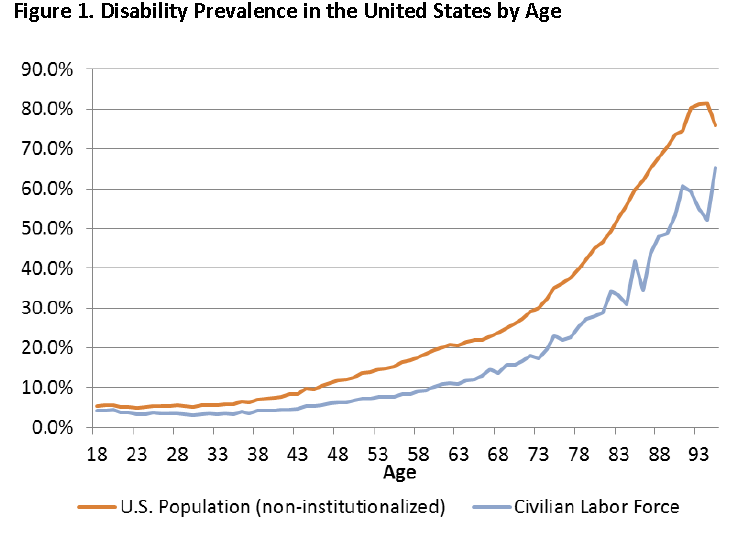
Employers increasingly notice that an aging workforce affects absence, disability, and return-to-work dynamics. Older employees may face higher risk of disabling conditions, and employers benefit from proactive policies that support safety, accommodation, and gradual transitions.
This article summarizes practical steps employers can take and points to internal resources for deeper guidance. For example, see Impact of Demographic Changes on Workplace Risk Management for context on shifting workforce demographics.
Key takeaways
- Older workers increase employers' exposure to absence and disability, but risk can be managed with policies and programs.
- Combining flexibility, wellness, safety, accommodation, and return-to-work efforts reduces long-term costs and preserves productivity.
- Use available employer benefit tools and workplace design adjustments to keep experienced employees engaged and working safely.
How it works
Managing absence and disability for an aging workforce is a mix of prevention, accommodation, and clear communication. Employers who plan ahead can reduce long-term disability claims and improve retention.
- Flexibility
- Maintaining and enhancing benefits
- Wellness programming
- Safety checks
- Accommodation
- Stay-at-work and return-to-work programs
- Communication and recognition
Each element supports employees at different stages: prevention through wellness, immediate safety through ergonomics, and recovery through return-to-work programs.
What it may cover (and what it may not)
Programs for an aging workforce typically cover preventive health screenings, ergonomics assessments, modified duties, and coordinated return-to-work plans. These measures aim to reduce both short-term absences and long-term disability costs.
However, not all employer programs cover medical treatment costs directly; medical coverage remains subject to the employer’s health plan terms. For detailed benefit design options, review Employer Benefits: Retirement, Health, Wellness, ADA & End-of-Life Products.
Common mistakes to avoid
Reactive approaches that only respond after a disabling event lead to higher costs and lost talent. Waiting to address ergonomics or neglecting gradual return-to-work options are common pitfalls.
Avoid inflexible scheduling, unclear accommodation processes, and poor communication about available supports. These issues often result in avoidable claims and reduced morale.
Questions to ask an agent
When discussing workforce risk and benefits with an insurance professional, ask about coordination between absence management and disability coverage, and about incentives for wellness programs.
Also inquire whether your policies support transitional duties and whether the insurer offers employer-focused services that promote early intervention. For examples of benefit program transformation and implementation ideas, consult Transforming Health Benefits Programs.
Next steps
Begin by auditing current absence and disability outcomes and identifying high-impact areas such as ergonomics or scheduling flexibility. Use small pilot programs to test wellness or stay-at-work interventions before wider rollout.
Document accommodation and return-to-work procedures so supervisors know how to act when an employee needs help. If you want to review options and get a tailored plan, talk to an agent about available coverages and services.
Frequently Asked Questions
How does an aging workforce change absence and disability risk?
Older workers typically have a higher incidence of chronic conditions that can increase absence and disability rates, but risk varies by job type and health programs in place.
What are effective early interventions to prevent long-term disability?
Early interventions include ergonomic adjustments, temporary duty modifications, rapid access to occupational health, and coordinated return-to-work plans.
Can wellness programs reduce disability claims?
Wellness programs that address chronic disease management, physical fitness, and mental health can reduce both short- and long-term disability risks when well-implemented.
What role does communication play in managing older employees?
Clear communication about benefits, accommodations, and expectations helps employees seek help earlier and supports smoother return-to-work transitions.