Overview
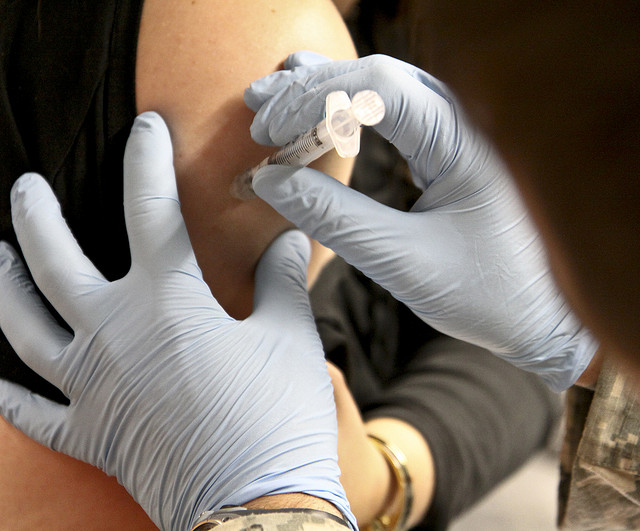 Flu season increases the chance that you or a family member will get sick, so prevention matters. The single best step is an annual influenza vaccination, but daily habits also play a big role in reducing risk and supporting recovery if you do get ill.
This guide summarizes practical, evidence-based steps you can take at home and at work to stay healthier during peak viral seasons, and points to an internal resource on workplace considerations when illness is circulating.
Key takeaways
- Get an annual flu shot; vaccination lowers the chance of severe illness and complications.
- Support your immune system with regular sleep, sensible exercise, and balanced nutrition.
- Avoid relying solely on supplements; follow dosing guidance and consult a clinician for high-risk situations.
How it works
Influenza spreads mainly through respiratory droplets and by touching contaminated surfaces, so both vaccination and basic hygiene help reduce transmission. Vaccines train your immune system to recognize common strains, which reduces the likelihood of severe disease even when they do not prevent infection entirely.
Everyday health behaviors — consistent sleep, moderate activity, stress management, and a nutrient-rich diet — support immune response by helping cells that detect and fight infections function properly. If your workplace includes close-contact settings, review resources such as Reducing Salons Insurance for risk considerations.
What it may cover (and what it may not)
Prevention strategies covered here include vaccination, hand hygiene, staying home when sick, and lifestyle measures that support immune health, such as sleep and balanced nutrition. These steps reduce risk but do not guarantee you will not catch the flu.
This guidance does not replace clinical treatment: if you develop severe symptoms, have high-risk conditions (for example, pregnancy, very young age, or certain chronic illnesses), or need antiviral medication, seek care from a healthcare professional.
Common mistakes to avoid
Avoid these common missteps that can undermine prevention efforts:
- Waiting too long to get vaccinated — aim for vaccination before local flu activity peaks.
- Over-exercising or large disruptions to sleep, which can temporarily weaken immune defenses.
- Taking excessive doses of supplements like zinc or vitamin C; more is not always better and can cause side effects.
- Relying only on supplements instead of using vaccines and sound hygiene practices.
Questions to ask an agent
If you want to understand how illness risk might affect benefits, work policies, or coverage options, consider asking your insurance or benefits agent these questions:
- Does my plan cover telemedicine visits for acute respiratory illness?
- Are antiviral medications covered and what limitations apply?
- What documentation does my employer require for sick leave or disability claims related to the flu?
- How does my policy handle hospitalization or complications from influenza?
Next steps
Get your annual influenza vaccine and make a simple plan for sleep, exercise, and meals to support immune health through the season.
For guidance that includes workplace implications and vaccination strategies, see Flu season, vaccination, and workplace impact during COVID-19.
For additional workplace-focused resources, see Fluid Milk Insurance.
If you want to review coverage options or talk to an agent for personalized help with plan details.
Frequently Asked Questions
When should I get the flu vaccine?
Get vaccinated before local flu activity increases; getting vaccinated early in the season provides the best protection during peak months.
Can vitamin C and zinc prevent the flu?
These nutrients support immune function but do not replace vaccination; use recommended daily amounts and avoid excessive dosing.
How much sleep helps immune health?
Aim for roughly six to eight hours of quality sleep per night, as inadequate rest can impair immune response.
Should I exercise if I feel slightly unwell?
Light to moderate activity may be okay for mild symptoms confined to above the neck, but rest and medical advice are better for fever or more severe illness.