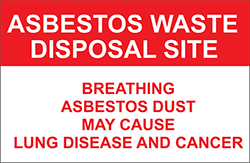
Asbestos was once widely praised for its insulation, sound-absorption and fire-resistant qualities, and for many years it was used in building materials and appliances. Over time the health risks of asbestos dust became clear, and by the mid-20th century its mainstream use in construction and fireproofing declined. Nonetheless, asbestos is still present in older buildings, ships and industrial sites, creating ongoing remediation needs.
Beginning in the 1920s and 1930s, lawsuits and public awareness gradually exposed the health hazards of asbestos. By the 1950s the risks were well understood and regulations limited its use, but legacy asbestos remains common in many industries and properties. As a result, owners and contractors are often responsible for safe removal, containment and disposal to protect workers and the public.
Unfortunately, due to past use there are still considerable amounts of asbestos in place today. In these situations companies are being held responsible for removal and worker safety. When removal costs are large or when workers become ill from exposure, businesses may look to insurance options such as Asbestos Abatement Insurance to manage those financial risks. For information about specific policy options see Asbestos Abatement Insurance.
As their names suggest, asbestos abatement workers compensation insurance provides wage replacement and medical benefits for workers who become ill or injured while remediating asbestos. These benefits follow the same basic intent as other workers' compensation coverage: to help cover medical care, temporary or permanent disability payments, and related recovery expenses so workers can focus on treatment and rehabilitation.
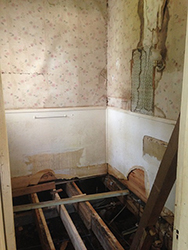
Asbestos abatement liability insurance, meanwhile, helps protect property owners and contractors from third-party claims tied to abatement work—such as lawsuits alleging negligence that resulted in worker illness or property contamination. Contractors and specialty firms commonly purchase dedicated abatement liability or broader general liability and environmental liability policies to reduce their exposure. If you’re a contractor working on remediation projects, see Asbestos Abatement Contractors Insurance for coverage details.
Typical related coverage types and risk-management considerations include commercial liability, environmental liability, property coverage for contaminated sites, equipment coverage for containment and HEPA filtration units, and commercial auto exposure for transporting waste. A common risk scenario: a worker disturbs old insulation during a renovation and later files a claim for illness related to fiber exposure. Proper underwriting, clear exclusions, licensed abatement procedures and job-site controls help manage these exposures. For more on contractor risks and why insurance matters, read Risks for Abatement Contractors and the Importance of Insurance.
Why leave your business exposed? Asbestos abatement workers compensation and liability insurance reduce the chance that a single claim will threaten your operations or assets. Coverage needs vary by project size, the type of abatement (removal versus encapsulation), regulatory requirements at the site, payroll and whether specialized contractors are used. For help selecting appropriate protections, talk to your agent
. You can also request a tailored quote online to compare options and limits prior to beginning work.
Frequently Asked Questions
Who typically needs asbestos abatement workers compensation?
Contractors, remediation specialists and property owners who employ or contract workers to remove or disturb asbestos commonly need this coverage, especially for regulated abatement jobs.
What does asbestos abatement liability cover?
Liability coverage can help pay legal defense costs, settlements or judgments from third-party claims alleging bodily injury or property damage tied to abatement activities, subject to policy terms and limits.
Are there common exclusions or limits I should watch for?
Policies often include exclusions for intentional acts, some pollution-related exposures, or noncompliant work. Limits, retroactive dates and strict reporting requirements can also affect coverage—review policy language carefully.
Still have questions? Talk to a local insurance expert.