
As the owner of a company that builds boats, you take pride in craftsmanship and quality. Your employees are central to that work, and protecting them — and your business — is essential. Workers compensation insurance helps cover medical care and a portion of lost wages when an employee is injured on the job, and it can also limit your exposure to lawsuits arising from workplace injuries. Read on for practical information or click to instantly
find a local insurance expert to help you with your Boat Builders Insurance needs.
The Risks of Boat Building
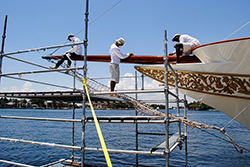
Boat building is hands-on work that involves heavy materials, power tools, welding, sanding, and lifting. Common operational hazards include slips, crush injuries from hoists or trailers, tool-related accidents, and exposure to chemicals used in composites and paints. Even transportation risks — such as driving a completed boat to a launch site — can create exposures while an employee is working in the course of employment. A simple risk scenario: a worker strains a back while hoisting a hull section, leading to medical care and time away from work.
The Purpose
Workers compensation serves two main purposes. First, it pays for an injured worker’s reasonable medical treatment and partial income replacement when they cannot work. Second, it provides employers with statutory protections that reduce the likelihood of individual lawsuits for job-related injuries. In severe cases, policies often include death benefits to qualified dependents.
Insurance Requirements
Most U.S. states require employers with employees to carry workers compensation coverage, though specific rules and minimums vary by state. If you need more detailed classification or compliance information for boat builders, see the informational page titled
Boat Builders' Workers Compensation Insurance. Employers that also repair or refinish vessels may find additional guidance on coverage options at
Workers' Compensation for Boat Builders & Repairers.
Managing exposures often includes more than workers compensation. Consider related coverage and risk controls such as commercial liability for third‑party injuries, property coverage for tools and buildings, equipment coverage for cranes and hoists, and commercial auto exposure for transport of finished boats. Underwriting factors insurers commonly review include payroll, job duties, loss history, safety programs, and subcontractor use.
Boat builders, repair shops, manufacturers, and marine contractors typically seek this coverage to protect employees and the business. Risk management steps — training on safe lifting, lockout/tagout for machinery, PPE for chemical handling, and routine equipment maintenance — can help reduce claims and influence premiums.

Common exclusions or limitations in workers compensation policies may include injuries arising from intoxication, intentional acts, or independent contractor work where the worker is not an employee. Policies also vary on coverage for volunteer helpers or sole proprietors, so verify how your state treats those situations.
When you need documentation, most states require proof of insurance (a certificate of workers compensation insurance) for contracts, permits, or public work. Keep up-to-date payroll and class-code records to ensure accurate premium calculations and compliance.
If you’re comparing options, get quotes that reflect your specific operations and safety controls. A local specialist can explain underwriting factors and recommended limits based on your shop’s size and exposures.
Summary
Workers compensation for boat builders protects employees with medical and wage benefits and helps shield employers from workplace injury claims. Combine insurance with sound risk management — training, equipment maintenance, and clear job classifications — to keep your workforce safe and your business compliant.
Frequently Asked Questions
Is workers compensation required for small boat-building shops?
Most states require coverage once you have employees; requirements and thresholds vary by state, so check local rules and your insurer’s guidance.
Does workers compensation cover contractors or subcontractors?
Independent contractors are typically not covered as employees. Verify contractor status and make sure subcontractors carry their own insurance or are properly classified in your policy.
Will my policy cover injuries that happen off-site, such as during transport?
Injuries that occur in the course of employment, including legitimate work-related travel, are often covered, but specifics depend on your policy and state law.
Still have questions? Talk to a local insurance expert.