In the line of duty, your employees can find themselves working in a vessel operated by or owned by another party.
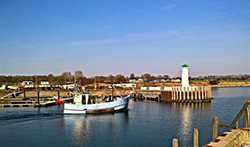
Contingent Maritime Employers Liability Insurance provides protection to insured employees when working on vessels owned by another party. Coverages for employees working in a non-captain or crew function can be included.
A wide variety of operations have coverage. These operations include but not limited to:
- National Fisheries Observers
- Scientific research & Survey Work
- Marine Construction
- Seismic Survey Work
- Drilling Work
- Artisan contractors on board
A Contingent Maritime Employers Liability Insurance has the following but not limited to the following coverages:
Bodily injury
A member of a crew can sustain injuries in the course of his employment. The Contingent Maritime Employers Liability Insurance will cover his/her medical expenses.
Negligence
A member of a crew can sue the employer for negligence. Some equipment might be faulty and end up causing problems to the employee. The problem can manifest itself years after a while, but if it is as a result of negligence when he/she was working, they can sue their former employer for negligence and compensation.
Death can occur in waters. Family members of the deceased can sue the employer for negligence or unseaworthiness.

Maritime Employers Liability Insurance is an essential concept to understand.
- An employee has to have an association with the vessel in terms of both its nature and duration. This doesn’t mean he has to be permanently assigned.
- The duties of the employee have must contribute to the function of the vessel and help in its mission. It’s important to note that, the injuries don’t have to occur when the employee is on board.
- The vessel must engage as an instrument of commerce. It should be able to navigate waters. Even when anchored, in some repair yard, or temporarily attached to some object, the vessel can be considered “in navigation”
The cost of defending the above-mentioned claims can be expensive. They require the use of attorneys who are familiar with employer’s maritime liabilities. These attorneys charge considerably higher than civil defense attorneys. Defense is an insurable expense under Maritime Employers Liability Insurance.
This insurance is especially relevant for contractors, researchers, and marine service providers engaging in temporary or project-based work aboard vessels they do not own. These job-site hazards and liability exposures can arise from operational issues, equipment failure, and unforeseen maritime risks. For example, a marine technician injured while working aboard a third-party survey vessel may file a claim under this coverage if employer negligence is alleged.
To gain a better understanding of how this coverage applies and integrates with broader maritime insurance programs, you can explore more about
Contingent Maritime Employers Liability Insurance or learn about
Maritime Employers Liability Coverage options from experienced providers.
When purchasing a Contingent Maritime Employers Liability Insurance policy, it is vital to
approach an agency with agents who understand Maritime Employers’ liabilities. Find one that will help you understand the terms of your policy and the exclusions. This will secure you financially in the event an employee sues you for risks that occur when he/she is in the line of duty.
Frequently Asked Questions
Who typically needs Contingent Maritime Employers Liability Insurance?
This coverage is suited for employers whose staff temporarily work on vessels they do not own—such as marine contractors, scientific researchers, and offshore service providers.
Does this insurance cover independent contractors?
It may provide coverage for independent contractors if they are working under your direction aboard a third-party vessel. Policy terms vary, so it's important to confirm with your broker.
Is this the same as Jones Act coverage?
No. While related, the Jones Act applies specifically to seamen and their rights. Contingent Maritime Employers Liability Insurance covers liability exposures for non-crew employees working aboard vessels not owned by the employer.
What’s the difference between primary and contingent maritime liability coverage?
Primary coverage applies when the employer owns the vessel. Contingent coverage applies when the employee is working on a vessel owned or operated by someone else.
What types of claims are commonly filed under this insurance?
Common claims include bodily injury, illness, death, and negligence lawsuits resulting from accidents or unsafe conditions aboard third-party vessels.
Still have questions? Talk to a local insurance expert.