Convalesce is synonymous with recovery or recuperation. Convalescent care (rehabilitation care) is short-term care offered by nursing homes through a team of medical practitioners, which differentiates it from traditional elder care options. Depending on illness or injury and the required recovery time, this care may be as long as a few months or as short-term as a few days.
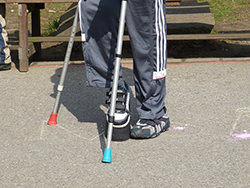 Insurance coverage
Convalescent homes liability insurance is a type of healthcare coverage that protects facilities offering custodial care, skilled nursing, assisted living, nursing home and in-home care for people who are 65 or older; policies for under-65 residents are also available. Coverage commonly includes professional liability (malpractice) for clinical staff, general liability for facility exposures, and may be combined with property and equipment coverage or commercial auto exposure where appropriate. For an overview of program options, see
Convalescent Homes Insurance and consider how underwriting factors such as resident acuity, staffing levels, and claims history affect available terms.
Services and payment
Convalescent homes usually offer a lower level of acute care than hospitals but provide skilled workers and rehabilitation services that help transition patients from hospital to home. These facilities are frequently used by patients recovering from surgery, stroke, or serious illness. Residents typically pay in cash, use Medicare for eligible short-term rehab, or rely on long-term care insurance plans and other benefit arrangements.
A common risk scenario is a resident fall that leads to a pressure ulcer and requires additional treatment; strong risk management and care-planning can reduce those exposures.
Liabilities and claims
Convalescent homes (also called nursing homes) and their staff face a variety of liability exposures that can lead to claims, including resident falls, improper care, pressure ulcers, elopement, failure to follow physician orders, and delays in seeking medical treatment. The highest average paid claims often stem from elopement or delayed care. For guidance focused on professional liability programs and coverage design, see
Nursing Home Facilities Professional Liability. Understanding exclusions, reporting requirements, and claims-made versus occurrence policy terms is important during underwriting and renewal reviews.
Benefits
Insurance acts as a financial buffer against these operational and professional risks. A robust program helps facilities mitigate exposures through documented risk management: fall-prevention programs, pressure-ulcer risk assessment and care planning, staff training, and documented physician order compliance. Combining liability coverage with property and equipment protection can provide more comprehensive protection for an operator.
Market outlook
The market for nursing home and long-term care liability insurance has expanded, increasing competition but also higher claim frequency and cost pressure since the late 1990s. Changing nursing-home demographics have increased care complexity and influenced underwriting: carriers now look more closely at staffing ratios, resident mix, and prior claims. To review options for broader long-term care liability programs, see
Liability Coverage For Long Term Care Facilities.

Our local, independent insurance agents can help you find the right insurance.
Get in touch now.
Frequently Asked Questions
What types of coverage do convalescent homes usually carry?
They typically carry professional liability (malpractice), general liability, property and equipment coverage, and sometimes commercial auto or workers’ compensation, depending on operations.
Who buys convalescent homes liability insurance?
Operators of skilled nursing facilities, assisted living providers, rehabilitation centers, and organizations that provide in-home post-acute services commonly seek this coverage.
What steps reduce liability exposure?
Risk management measures like fall-prevention programs, pressure-ulcer assessment and care plans, clear physician order documentation, and staff training help lower both risk and insurance costs.
Still have questions? Talk to a local insurance expert.