The Importance of Drywall Workers Compensation: Avoid Financial Pitfalls
Did you know drywall workers face a 34% higher risk of injury compared to other trades? Without proper workers' compensation coverage, a single accident could cause serious financial damage to your business. Drywall contractors often perform physically demanding tasks like lifting heavy panels, working on ladders or scaffolds, and sanding surfaces—activities that increase the risk of injury. Having reliable Drywall Workers’ Compensation insurance is critical for legal compliance and for safeguarding your company’s finances.
Unique Hazards in Drywall Contracts
Drywall work comes with trade-specific hazards. Identifying and addressing these risks is key to maintaining safety and compliance on the jobsite.
- Musculoskeletal disorders (MSDs): Frequent lifting and positioning of drywall sheets can lead to chronic back, shoulder, and joint injuries. The National Institute for Occupational Safety and Health (NIOSH) notes that drywall installers face MSD rates 40% higher than average.
- Fall Hazards: Working on ladders or scaffolding increases the risk of falls. According to OSHA, falls are the leading cause of death in construction and account for 15% of drywall-related injuries.
- Silica Dust Exposure: Sanding drywall emits fine silica particles that can cause serious respiratory illnesses, including silicosis. Despite safety regulations, exposure still happens, making workers' comp essential for covering related health claims.
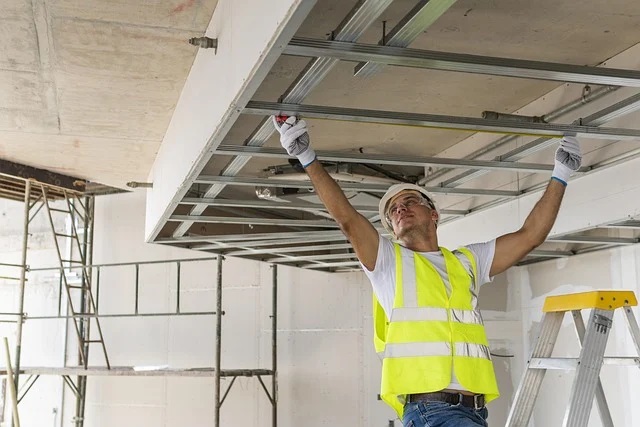 The Financial Consequences of Skipping Workers Compensation
Consider this scenario: A drywall worker falls from a ladder and breaks a leg. Without workers' compensation, your business could be responsible for medical costs and lost wages totaling over $75,000. You could also face a lawsuit if the employee sues for additional damages.
Workers' Compensation Class Codes for Drywall Contractors
To avoid overpaying or facing penalties, drywall businesses must correctly classify employees. Most installers fall under Class Code 5445 (wallboard installation). Misclassification can result in audits, fines, and higher premiums.
Key Benefits of Drywall Workers Compensation
A strong workers' comp policy offers more than legal protection. It can also improve business operations and employee trust. Key advantages include:
- Medical and Wage Coverage: Pays for job-related medical treatment, rehab, and a portion of lost wages.
- Litigation Protection: Reduces the risk of lawsuits through exclusive remedy provisions available in most states.
- Increased Safety Standards: Encourages better workplace practices and regular safety checks.
- Reputation Boost: Shows clients and workers that you prioritize safety and compliance.
How to Enhance Safety and Lower Premiums
While drywall workers compensation is essential, reducing workplace injuries should be your first line of defense. These measures can improve safety and may help control insurance costs:
- Ergonomic Tools: Use drywall lifts and automatic tapers to reduce physical strain.
- Protective Gear: Require dust masks, gloves, knee pads, and fall protection systems.
- Ladder and Scaffold Safety: Perform routine inspections and enforce OSHA-compliant practices.
- Safety Training: Offer regular sessions on lifting techniques, dust control, and fall prevention.
- Daily Inspections: Identify and fix hazards before they lead to injuries.
Why You Can’t Afford to Skip Drywall Workers Compensation
Drywall work is physically demanding and comes with serious injury risks. With average jobsite injury claims exceeding $50,000, Drywall Workers' Compensation is more than just a legal requirement—it’s a practical way to protect your business and team from the financial impact of accidents.
Frequently Asked Questions
Do I legally need workers’ compensation for my drywall business?
Most states require employers to carry workers' compensation if they have one or more employees. Check your state’s rules to ensure compliance.
What injuries does drywall workers’ compensation cover?
It typically covers injuries from lifting, falling, repetitive motion, and exposure to materials like silica dust while on the job.
Can independent drywall contractors get workers’ comp?
In some states, independent contractors can opt in to coverage, especially if they want to work with general contractors who require proof of insurance.
How can I prove I have workers’ compensation coverage?
Once insured, you’ll receive a certificate of insurance (COI) that you can show to clients or regulatory agencies as proof of coverage.
What happens if I misclassify my drywall workers?
Misclassification can lead to audits, fines, and increased premiums. Always use the correct class codes, such as 5445 for wallboard installers.
Still have questions? Talk to a local insurance expert.