
Understanding Dwelling Fire Insurance: What Landlords Need to Know
Imagine waking up to the news that a fire broke out in your rental property overnight, leaving your investment in ruins. Would your current insurance cover the damage and loss of rental income? For many landlords, the answer is no—unless they have Dwelling Fire Insurance.
As a landlord, you face a unique set of risks when it comes to rental properties. Tenants may not take care of the property as diligently as you would, increasing the chance of fire hazards from faulty appliances, careless smoking, or unattended heating systems. According to the U.S. Fire Administration, rental properties account for 14% of all residential structure fires. Without the right insurance, a single incident could lead to significant property losses and liability exposures.
Why Choose Dwelling Fire Insurance Over Homeowners Insurance?
A standard homeowners insurance policy is designed for owner-occupied residences, and most exclude coverage when the property is rented. Additionally, renters' insurance only protects a tenant’s personal belongings—it does not cover the structure or the landlord’s liability.
In contrast, Dwelling Fire Insurance (DFI) is tailored specifically for landlords, offering essential protection against both property and liability risks. Whether your rental is a single-family home or a duplex, DFI helps protect against structural damage, vandalism, and even loss of rental income due to covered perils.
What is Dwelling Fire Insurance?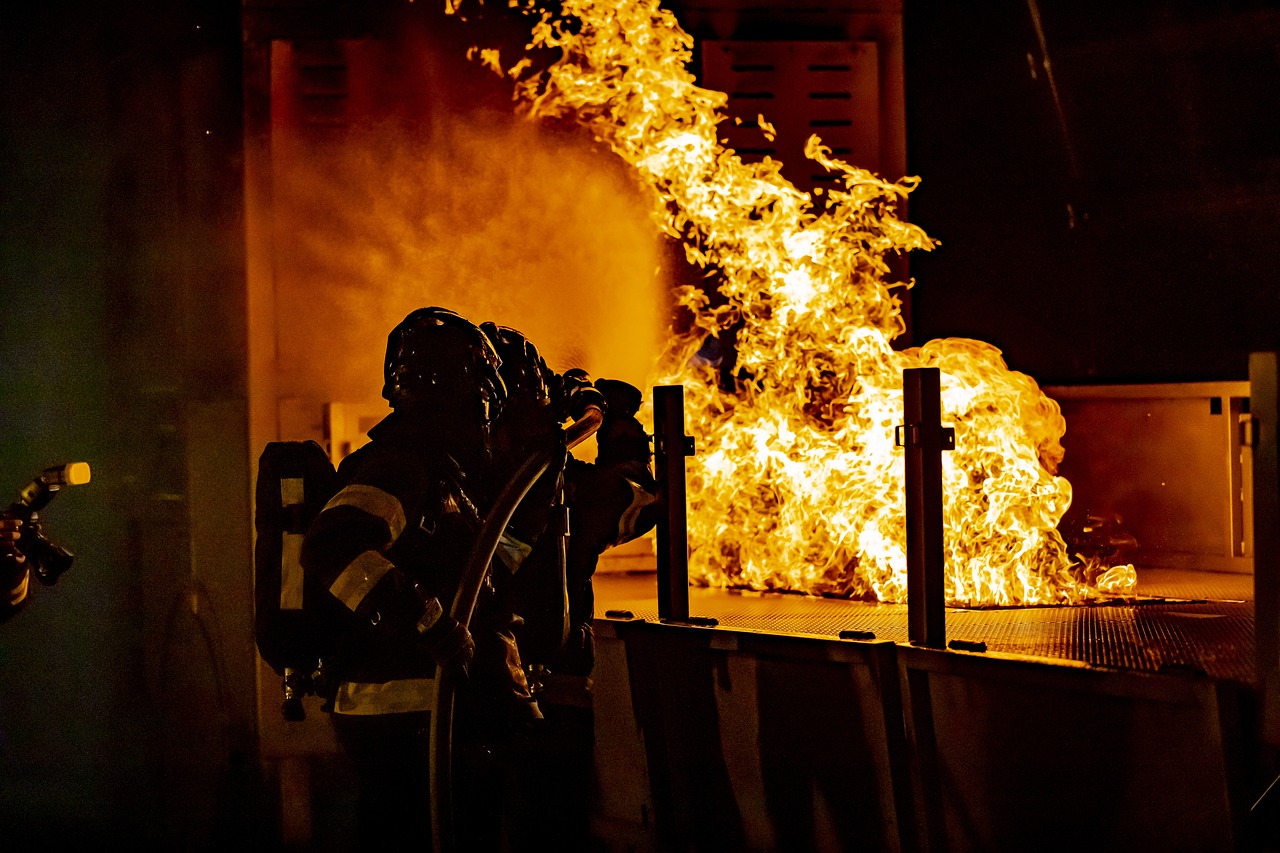
Dwelling fire insurance is a type of property coverage designed for non-owner-occupied homes, such as rental units and vacant properties. It protects against damage from events like fire, lightning, vandalism, and sometimes wind or hail. Many policies also offer an endorsement for loss of rental income, helping landlords maintain cash flow during repairs.
This type of insurance is especially useful for property managers, real estate investors, and small landlords who need coverage suited to the operational hazards of renting out a property.
Common Perils Covered (and Not Covered) by Dwelling Fire Insurance
Dwelling fire insurance typically covers:
- Fire and smoke damage
- Lightning strikes
- Windstorm and hail
- Vandalism and malicious mischief
- Explosions
However, standard policies usually exclude damages from earthquakes, floods, and sewer backups. Separate coverage is needed for these risks. Understanding exclusions is essential for managing your overall risk profile as a landlord.
Types of Dwelling Fire Insurance Policies
There are three primary types of dwelling fire policies:
- DP-1 (Basic Form): Covers only specific perils (named perils) such as fire and lightning. Reimbursement is generally on an Actual Cash Value (ACV) basis, accounting for depreciation.
- DP-2 (Broad Form): Includes additional risks like windstorms, hail, and vandalism. It usually offers replacement cost coverage for the structure.
- DP-3 (Special Form): Offers the most comprehensive protection, covering all perils except those specifically excluded. Ideal for landlords who want broad, flexible protection.
For those managing multiple units or properties in high-risk zones, the DP-3 policy provides a stronger foundation for fire-related risk management and recovery planning.
The Devastating Consequences of Inadequate Insurance
A Californian landlord learned the hard way that standard Homeowners insurance can't safeguard against the fury of wildfires. Despite warnings, the property owner failed to upgrade to a dwelling fire policy, leaving them vulnerable to financial ruin.
A raging wildfire swept through the high-risk area, leaving the rental property in ashes. The cost to rebuild? A staggering $300,000. With inadequate coverage, the landlord was forced to bear the brunt of the expenses, a financial blow that could have been avoided.
Don't leave your rental property exposed. Consult with our insurance advisors today and ensure your property is fully safeguarded with a Dwelling Fire Policy.
Frequently Asked Questions
Does dwelling fire insurance cover tenant-caused damage?
It may cover damages resulting from tenant negligence if the peril (such as fire or vandalism) is listed in your policy. Routine wear and tear is not covered.
Can I insure a vacant rental property with dwelling fire insurance?
Yes, certain dwelling fire policies are available for vacant properties, though coverage options and underwriting requirements may vary.
Is loss of rental income always included?
No, loss of rental income is typically an optional endorsement. You should review your policy to ensure this coverage is added if needed.
How is replacement cost different from actual cash value?
Replacement cost covers the expense to rebuild without depreciation, while actual cash value deducts for age and wear of the structure when reimbursing.
Can I bundle dwelling fire with other landlord insurance?
In many cases, yes. Some insurers offer packages that include liability protection, equipment coverage, or even commercial auto for property managers.
Still have questions? Talk to a local insurance expert.