Every profession comes with responsibilities. Being in a unique position of responsibility, engineers need to protect themselves. Their work is not only relied on by the client but also the public.

An insurance policy that protects everyone is important. Firms and companies in the construction industry need Engineers Liability Insurance to protect their engineers, as everyone is bound to make a mistake at one time or another.
There are many types of engineers specializing in different fields, including civil, mechanical, electrical, and software. They use technology and science to solve complex problems. However, in the process of or after their work, they face a diverse range of exposures—such as design flaws, construction delays, and property damage—that they need to be ready to mitigate.
What It Covers
General liability insurance covers third-party property damage and bodily injury caused by you or your employees. It responds to claims arising from job-site hazards, paying for medical bills and repairs or replacements. It also typically includes coverage for legal defense costs if a lawsuit is filed.
Professional liability insurance, also known as errors and omissions (E&O) insurance, offers additional protection for mistakes in design, project management, or technical advice.
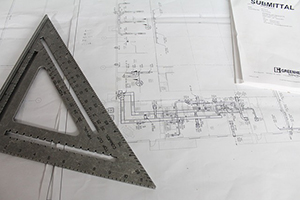
For instance, if your design miscalculation leads to structural defects, professional liability can help cover related claims.
Design insurance further protects engineers from disputes directly related to their design work, especially in construction and manufacturing settings, where operational hazards can have costly consequences.
Other coverages may include limited property coverage for office equipment or tools, and commercial auto exposure protection for vehicles used in site visits or project management.
Who Needs Engineers Liability Insurance?
Any professional working in the engineering field should consider this coverage. That includes independent consultants, small engineering firms, and contractors in industries such as construction, energy, and infrastructure. When working with public agencies or large corporations, proof of insurance is often required before a contract is awarded.
Why It Matters
Mistakes can happen even with the most experienced professionals. For example, an engineer working on a commercial building project may overlook a specification, leading to costly delays and a lawsuit. Having the right insurance in place helps mitigate financial losses and supports risk management strategies.
Including Engineers Liability Insurance in your financial plan is a smart move. It not only protects your business assets but also boosts your credibility with clients and partners.
For additional insights on the value of this coverage, visit our page on
Engineers Liability Insurance or explore how to safeguard your professional integrity through
Engineer Insurance: Protecting Your Liability and Professional Integrity.
When getting a policy, it is advisable to
approach a reputable independent insurance agency. A respected agency has agents with broad knowledge about the insurance industry. They will educate and advise you and, in the process, help you acquire a policy tailored to meet your needs.
Frequently Asked Questions
What is the difference between general and professional liability for engineers?
General liability covers physical injuries and property damage, while professional liability addresses errors or omissions in your technical work or advice.
Do independent engineers need this insurance?
Yes. Freelance and contract engineers often face the same risks as firms, and may be required to show proof of coverage to clients or project managers.
Does Engineers Liability Insurance cover subcontractors?
Coverage for subcontractors varies by policy. Some policies may require them to carry their own coverage or be explicitly included.
What are common claims engineers face?
Claims can include design miscalculations, project delays, failure to meet specifications, or worksite accidents involving third-parties.
Is this insurance mandatory for engineers?
It depends on the project and jurisdiction. While not always legally required, many contracts mandate proof of insurance before work can begin.
Still have questions? Talk to a local insurance expert.