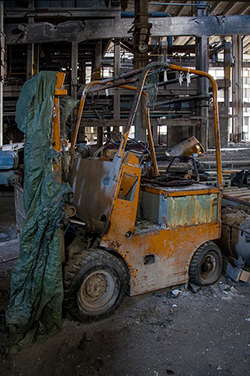
As a forklift repair business owner, you need more than a single policy — you need a coordinated insurance package that protects your people, vehicles, tools, and premises from everyday risks. A good starting place is an overview of what to include; for a focused checklist, see Essential Insurance for Forklift Repair Businesses (https://completemarkets.com/Forklift-Repair-Business-Auto-Insurance/Storefronts/).
Commercial auto coverage is critical if technicians drive company vans or trucks to job sites. Commercial auto exposure includes liability for bodily injury and property damage, plus optional physical damage (collision and comprehensive) to protect your vehicles. Many repair shops also carry hired and non-owned auto coverage to address scenarios where employees drive personal vehicles on company business. For similar fleet concerns, see Fleet Auto Repair Insurance Overview (https://completemarkets.com/Auto-Repair---Fleet-Auto-Insurance/Storefronts/). A simple risk scenario: a technician traveling between sites is involved in an at-fault crash — the right auto policy helps cover medical bills, third-party damage, and legal defense.
Workers' compensation is another essential policy. It pays medical costs and a portion of lost wages if an employee is hurt on the job, and it helps limit lawsuits for workplace injuries. Given the operational hazards and equipment accidents common in this trade, workers' comp is often required and always advisable.
General liability and commercial liability policies protect against third-party claims — for example, if a client or a bystander is injured at your facility or a technician damages a customer’s property while repairing a forklift. These policies typically cover legal defense and settlement costs up to policy limits.
Protect your tools, shop, and service vans with property coverage and equipment coverage. Coverage can be written to include business personal property, tools, portable equipment, and specialized diagnostic gear. Without coverage for these assets, a single theft or fire could interrupt operations and revenue.
Underwriting factors that insurers consider include vehicle types and mileage, employee driving records, payroll and staff size, claims history, and the value of tools and inventory. Risk management considerations — such as driver safety programs, equipment maintenance schedules, and written procedures for job-site safety — can reduce premiums and limit exposures.
Common exclusions and limitations often include intentional acts, wear-and-tear on equipment, certain types of pollution damage, and contractual liabilities assumed in customer agreements. Read policy language carefully and ask about endorsements for gaps specific to repair work.
Who typically needs this suite of protections? Small operators, mobile technicians, repair shops that service warehouses and manufacturers, and dealers that perform field repairs all face similar transportation risks and facility exposures. For broader shop-focused coverage options, you may also find Insurance for Auto, Truck, and Motorcycle Repair Shops (https://completemarkets.com/Business-Auto-Truck-Motorcycle-Repair-Insurance/Storefronts/) helpful.
As you build a package, verify proof of insurance for hired contractors and consider certificates of insurance when working on customer sites. For specific coverages and limits that match your operations, talk to your agent.
Frequently Asked Questions
Do my technicians need commercial auto or personal auto coverage?
If employees regularly drive company vehicles or drive personal vehicles for work tasks, commercial auto or hired/non-owned auto coverages are generally recommended to cover business-related liability and physical damage.
Will workers' compensation pay for all workplace injuries?
Workers' compensation typically covers medical expenses and lost wages for injuries that occur in the course of employment, but specific situations and exceptions vary by state and policy — always review your policy language.
Can I add coverage for expensive diagnostic tools and mobile equipment?
Yes. Equipment coverage or inland marine policies can be used to protect portable tools and specialized equipment; consider scheduled endorsements for high-value items.
Still have questions? Talk to a local insurance expert.