Oil and Gas Workers Compensation Insurance: Mitigating Risk in High-Stakes Operations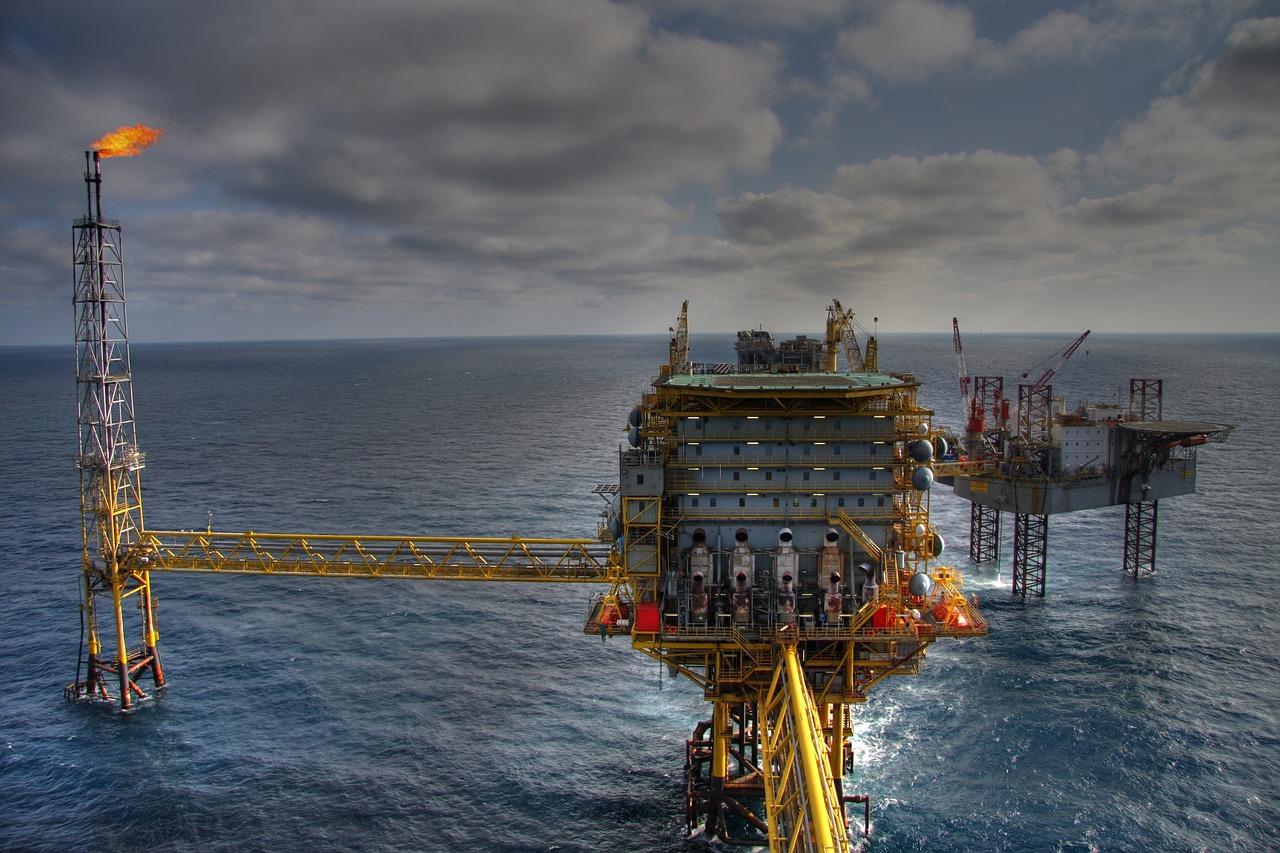
The oil and gas industry doesn’t tolerate hesitation—split-second decisions determine safety, productivity, and profitability. But while your teams focus on well control, pipeline integrity and rig stability, who’s safeguarding your workforce?
Roughnecks, Toolpushers and Rig Crews: Are You Covered?
Operating in extreme environments—offshore platforms battered by rogue waves, scorching shale plays in the Permian Basin, or deepwater drilling in the Gulf—means injuries aren’t a possibility; they’re an inevitability. A miscalculated pressure reading, a failed blowout preventer or an unexpected hydrogen sulfide release can lead to catastrophic consequences.
Workers' Compensation Insurance tailored for oil and gas operations isn’t just paperwork—it’s survival. Whether you run exploration, extraction, refining or transport, your policy needs to mirror the complexities of your industry.
The Unfiltered Risks That Define This Industry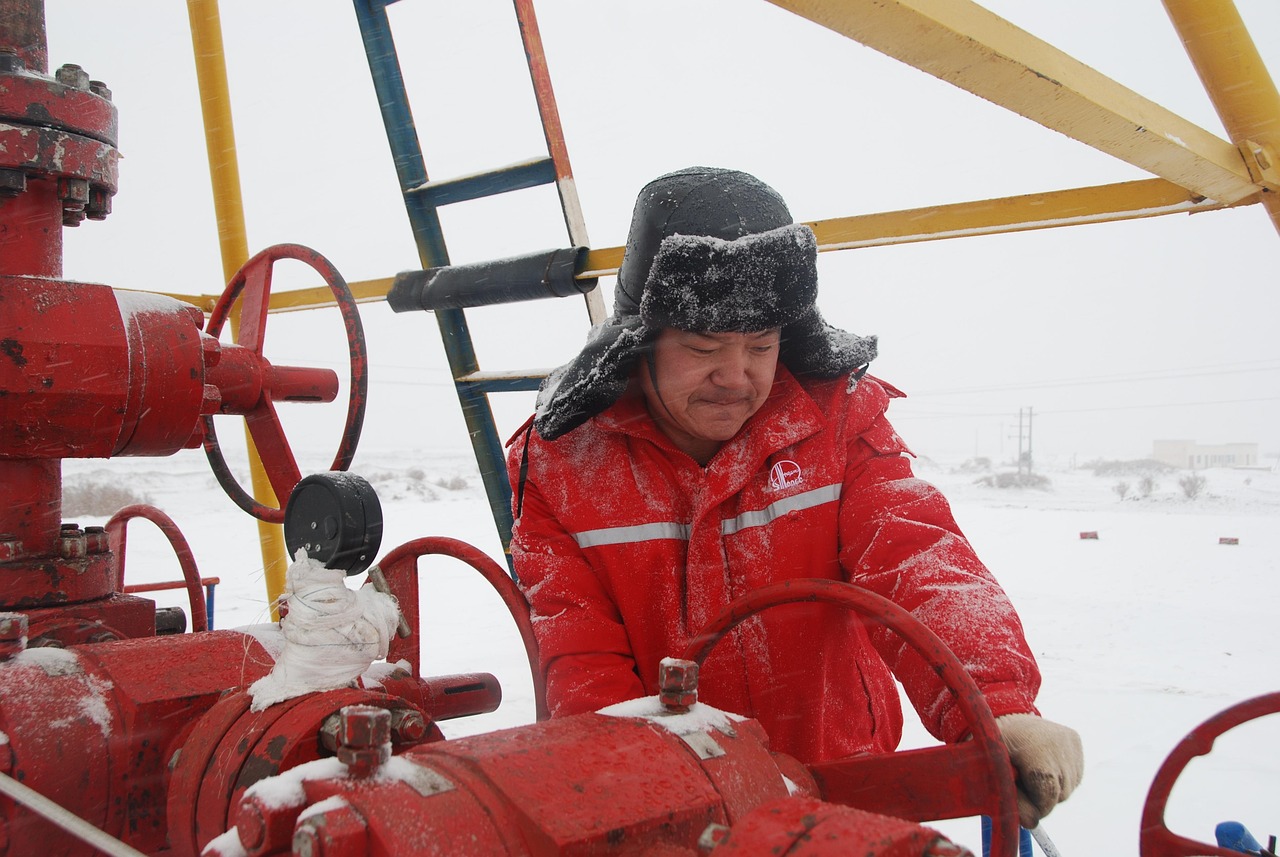
1. Well Blowouts & Equipment Failures
A malfunctioning BOP (Blowout Preventer) isn’t just a hazard—it’s a billion-dollar catastrophe. Workers caught in a high-pressure release scenario suffer from severe burns, blunt force trauma and life-altering injuries. Your insurance must account for high-severity claims that standard policies won’t touch.
2. Toxic Gas Exposure & Respiratory Illness
Drilling into sour formations? Your crew is exposed to hydrogen sulfide (H₂S), a silent killer that claims lives in minutes. Prolonged exposure to benzene, silica dust and volatile hydrocarbons also leads to chronic respiratory diseases. Oil and Gas Workers Compensation should cover both immediate medical treatment and long-term disability benefits.
3. Explosions, Fires & Pipeline Incidents
With flashpoints and ignition risks at every turn, fire and explosion hazards in refineries, LNG terminals, and offshore rigs are unparalleled. When things go south, workers’ comp coverage must extend beyond basic medical costs—rehabilitation, wage replacement and employer liability protections become critical.
Who’s Covered? (And Who’s Usually Left Exposed?)
- Drillers, Roustabouts & Derrick Hands – These frontline workers face the highest risk of crush injuries, falls and amputation.
- Toolpushers & Rig Supervisors – Leadership doesn’t mean immunity from injury; falls from catwalks and struck-by incidents are routine.
- Pipeline Welders & Integrity Inspectors – Confined spaces, extreme heat and volatile pressure environments create unique coverage challenges.
- Truck Drivers & Field Logistics – Moving crude, LNG and fracking equipment involves high accident rates and frequent workers’ comp claims.
The bottom line? If your workers put boots on shale, steel-toes on a rig floor or hands on a drill string, they need specialized Oil and Gas Workers Compensation Insurance.
Standard Workers’ Comp vs. Energy-Sector Specific Coverage
Generic policies won’t protect you in the oil patch. Too often, companies discover their insurance coverage is inadequate or doesn't apply when they need it most:
- State-Regulated Policies Don’t Cut It – Many jurisdictions don’t account for high-severity injuries and multi-state operations.
- Exclusions Gut Your Protection – Some policies exclude injuries caused by high-pressure machinery, explosions or hazardous materials.
- Independent Contractors & 1099 Workers Aren’t Covered – Many oilfield professionals work contract-to-contract. Do you have occupational accident insurance for them?
What’s in a Tailored Workers’ Comp Policy?
A properly structured oil and gas workers' compensation policy should include:
- Medical & Disability Benefits – Coverage for hospital stays, rehab, lost wages and long-term disability.
- Employer Liability Protection – Shields your company from lawsuits when injuries result in negligence claims.
- Occupational Disease Coverage – Protects workers exposed to silica, benzene, H₂S and other toxic agents.
- Catastrophic Injury & Death Benefits – Ensures families of fallen workers receive financial compensation.
Getting the Right Coverage: What Oil & Gas Operators Must Do
Securing proper workers’ comp isn’t about choosing the cheapest policy—it’s about selecting a provider that understands the industry’s volatile risk profile. Here’s how to ensure your coverage is rock-solid:
1. Engage an Industry-Savvy Insurance Partner – Work with providers who have deep expertise in energy-sector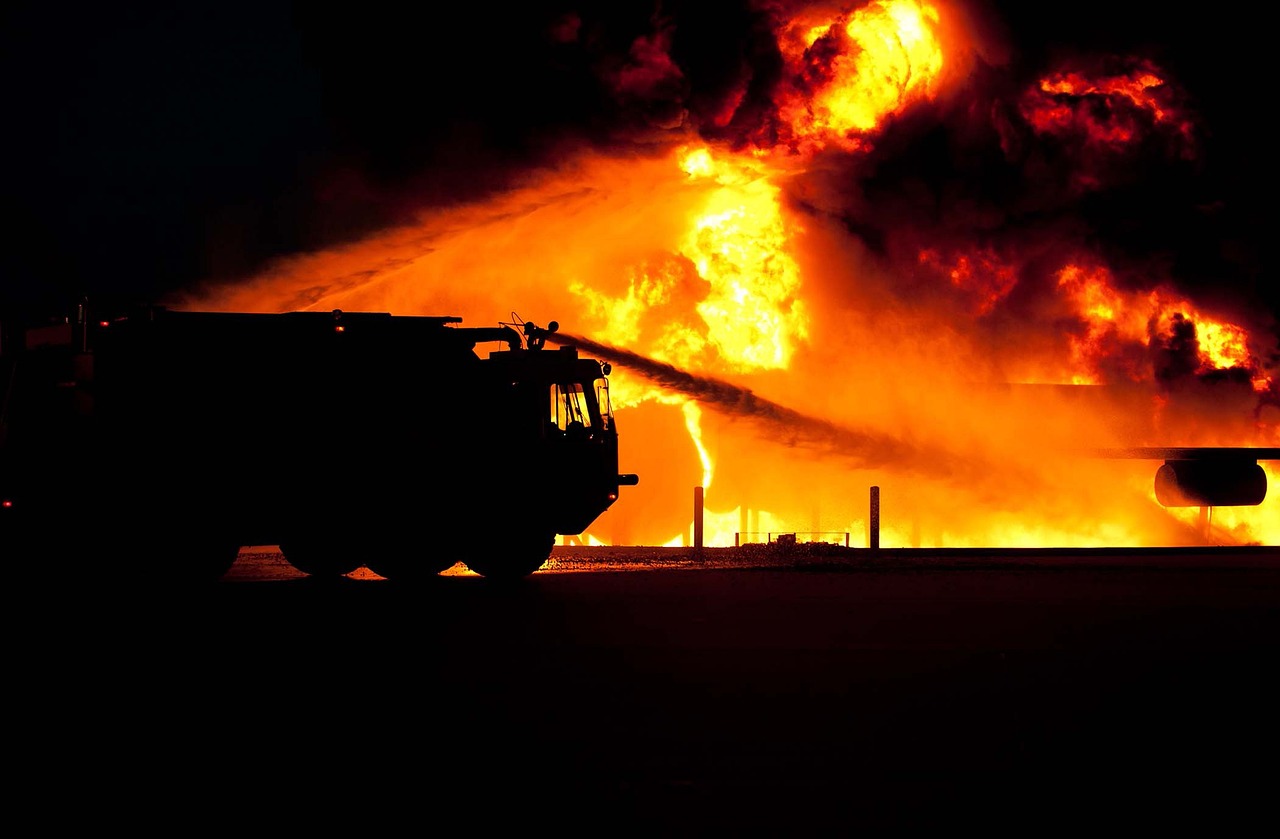 risks.
2. Classify Employees Accurately – Misclassification leads to coverage denials and premium hikes—know the difference between drilling contractors, well service crews and transport workers.
3. Evaluate Coverage Exclusions – If your policy doesn’t cover toxic exposure, well blowouts or offshore incidents, you’re underinsured.
4. Secure Coverage for Subcontractors – Independent contractors dominate this industry; ensure they’re covered under occupational accident insurance.
The Price of Ignoring Workers’ Comp in Oil & Gas
Ignoring proper workers’ comp coverage can cost millions. Here’s what’s at stake:
- Fines & Legal Consequences – Non-compliance with state and federal workers’ comp laws leads to severe penalties.
- Massive Lawsuit Payouts – Families of injured or deceased workers will pursue litigation.
- Operational Shutdowns – Lost-time injuries and OSHA penalties can halt projects, crippling revenue streams.
- Reputation Damage – Contractors, investors and regulators demand compliance—a high injury rate can ruin your bid chances.
Act Now: Protect Your Workforce & Business
Every minute without proper Oil and Gas Workers Compensation Insurance leaves your business exposed. Don’t wait for a catastrophic event to take action.
Contact us today to secure a tailored workers’ comp policy designed specifically for the oil and gas industry. Your workers keep the world running—make sure they’re protected.