Home >
Railroad Insurance Guide >
Railroad Protective Liability
This page is part of the broader Railroad Insurance Guide, which provides comprehensive insights into various insurance options for railroad-related businesses. Railroad Protective Liability Insurance (RPLI) is critical for managing risks associated with contractor activities on or near railway property. This coverage is especially important for general contractors, subcontractors, and municipalities, ensuring compliance and protection against potential liabilities. Other relevant insurance options within this topic include Railroad General Liability and Railroad Property and Liability.
Railroad Protective Liability Insurance (RPLI) is a critical risk management tool specifically designed to 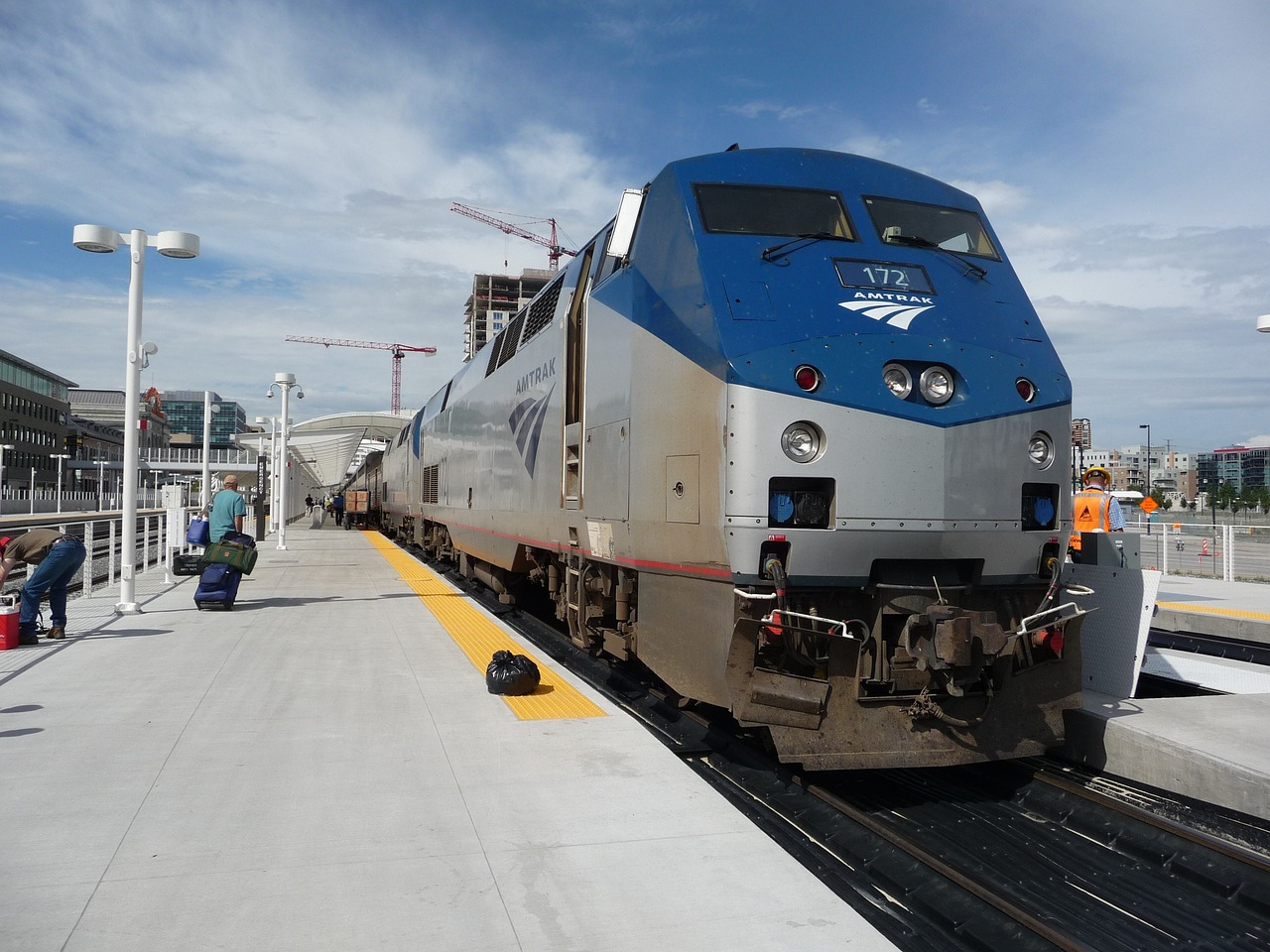 address the unique exposures faced by railroad companies when third-party contractors are involved in construction or maintenance activities on or adjacent to railroad infrastructure. In a highly specialized industry where safety, liability, and financial exposures intersect, RPLI plays a vital role in safeguarding the railroad's assets and ensuring smooth operations, while protecting against potential liabilities that could arise from accidents, property damage, or environmental hazards caused by contractor activities.
Coverage Overview
RPLI policies typically cover:
- Third-party bodily injury and property damage
- Environmental damage and pollution
- Damage to railroad property
- Business interruption and delay
- Right-of-entry and easement coverage
- Bridge and trestle coverage
- Environmental impairment liability coverage
- Pollution cleanup and removal coverage
The Broad Benefits of RPLI: Who's Protected and How
Railroad Operators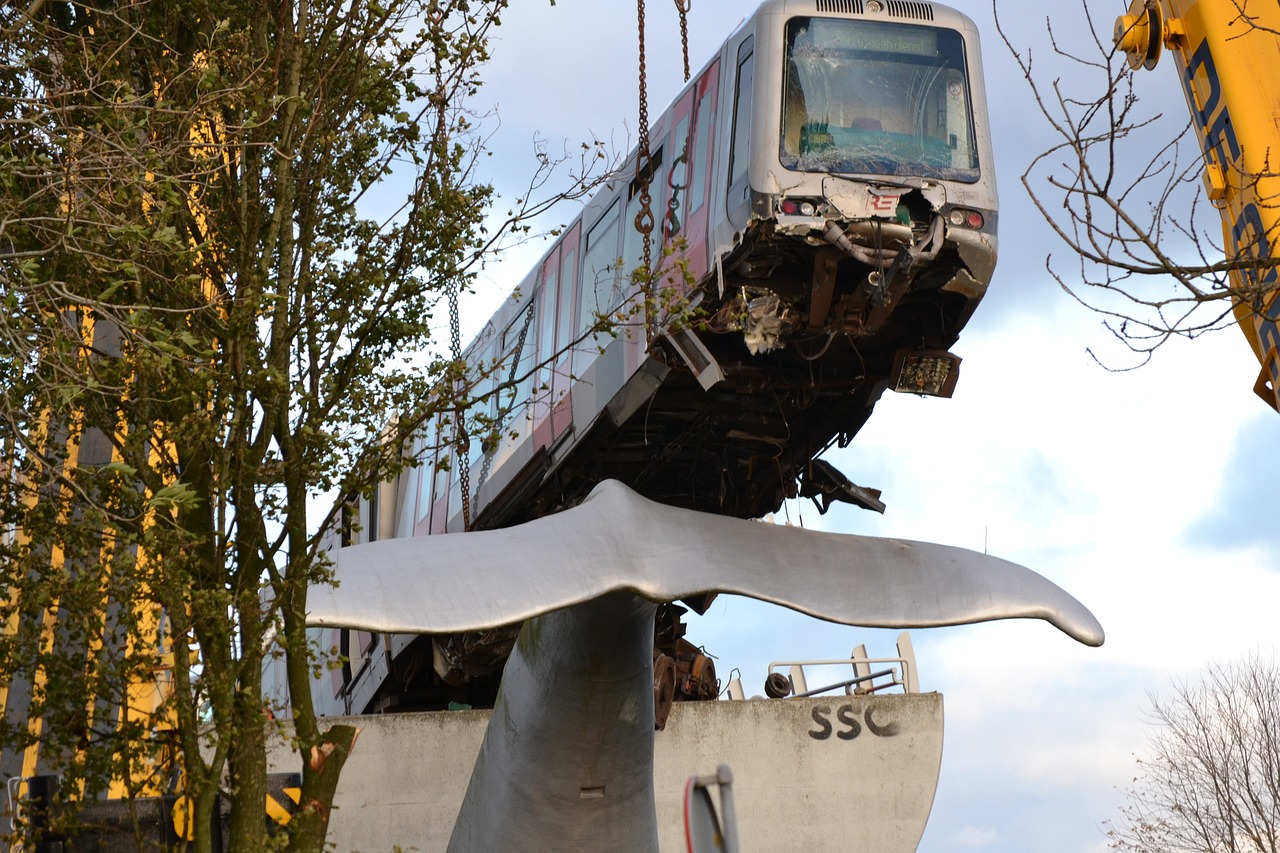
For railroad operators, RPLI is indispensable. This specialized coverage protects against third-party claims arising from contractor activities on railroad right-of-way, including:
- Derailments or collisions causing bodily injury or property damage
- Environmental contamination from hazardous materials or fuel spills during transportation or storage
- Damage to railroad infrastructure, including tracks, signals, or bridges, resulting from contractor error or negligence
General Contractors
From the contractor's perspective, RPLI is often a mandatory requirement for securing contracts with railroad operators. However, its benefits extend far beyond mere compliance. RPLI protects contractors by:
- Ensuring that the railroad’s liabilities do not trickle down and become a financial burden on them
- Clearly defining the scope of liability coverage, reducing the risk of disputes over financial responsibility in the event of an incident
Subcontractors and Specialized Service Providers
Subcontractors working under general contractors also reap indirect benefits from RPLI. A well-structured RPLI policy facilitates seamless operations by:
- Clearly delineating risk distribution, eliminating ambiguity and uncertainty
- Providing subcontractors with assurance that their work is protected, allowing them to focus on their specialized tasks without the burden of potential liabilities
Municipalities and Government Entities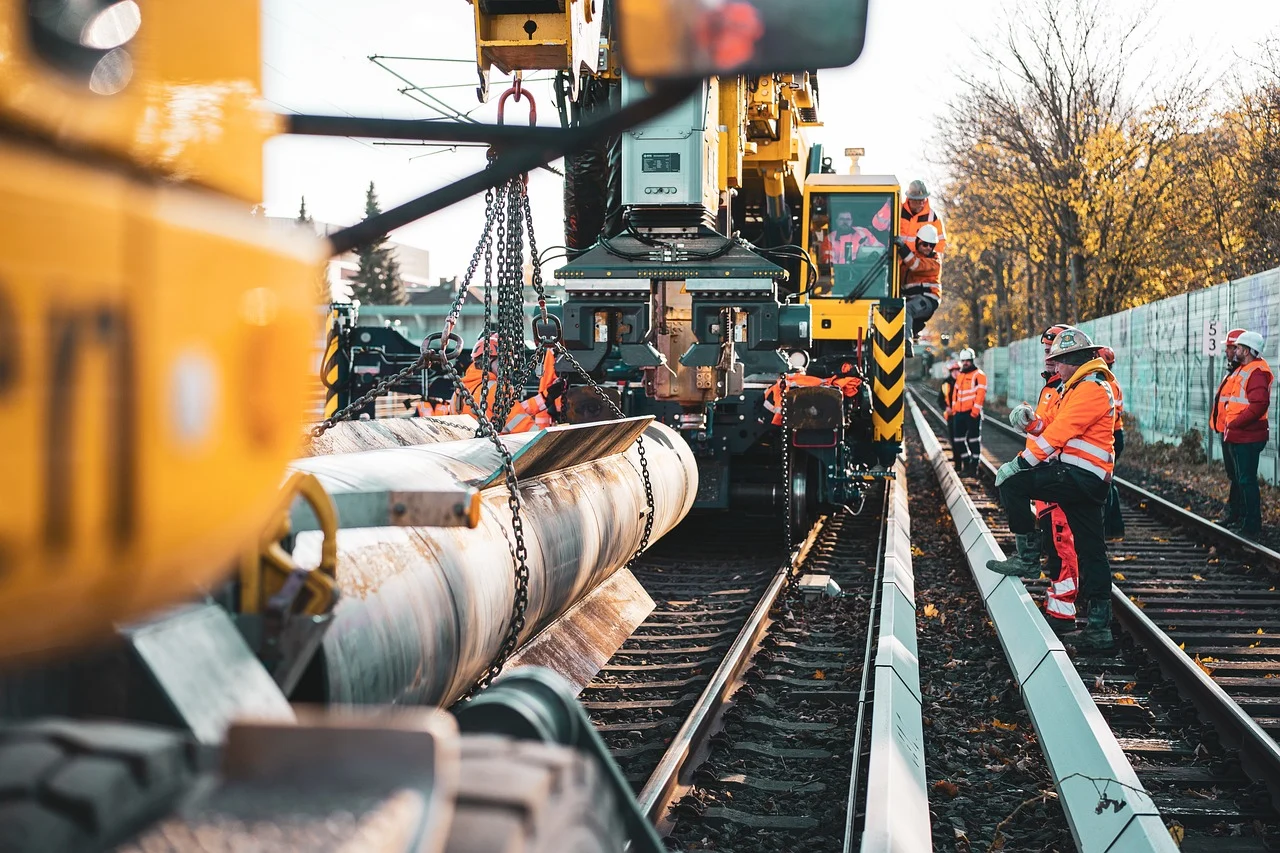
Public agencies overseeing large infrastructure projects that interface with railroad property frequently require RPLI as a contractual mandate. This insurance serves as a critical financial and legal safeguard, protecting the railroad - a vital infrastructure asset - from potential liabilities stemming from public works projects. By acquiring RPLI, municipalities and government entities can:
- Ensure the railroad's continued operation and maintenance
- Lessen the potential for construction-related incidents or property damage near railway corridors
- Safeguard public funds and assets from potential claims or lawsuits
Strategic Importance of RPLI in Risk Management
Tailored Coverage for Unique Risks
RPLI policies are meticulously underwritten to address unique risks associated with railroad operations and contractor activities, including environmental hazards, infrastructure impact, and proximity to high-traffic areas. Stakeholders must ensure coverage limits and terms align with the project's risk profile to avoid underinsurance.
Mitigating Financial Exposure
RPLI provides a financial backstop, mitigating exposure to costly litigation, settlements, or judgments. By transferring risk to the insurer, railroads maintain financial stability even in significant claims scenarios.
Ensuring Compliance and Operational Continuity
RPLI ensures compliance and operational continuity. For contractors, it enables project execution without delays or cancellations due to insufficient insurance. For railroads, it protects against disputes or delays affecting operational continuity.
Sophisticated Risk Transfer Mechanism
As a sophisticated risk transfer mechanism, RPLI clearly delineates financial responsibilities in high-value projects, ensuring each party is protected according to their exposure. This clear risk allocation maintains project integrity and safeguards stakeholders' financial interests.
A Non-Negotiable Aspect of Railroad Operations
For stakeholders in the railroad industry, Railroad Protective Liability Insurance is far more than a compliance requirement—it's a sophisticated risk management solution that underpins the safety, legal integrity, and financial stability of railroad operations. This insurance is integral to mitigating the intricate risks posed by third-party construction and maintenance activities on railroad property. By fully understanding and implementing RPLI, railroad operators, contractors, and public agencies can ensure that their projects are not only safeguarded against potential liabilities but also aligned with best practices for operational continuity and financial prudence.
Explore how Railroad Protective Liability Insurance can be the strategic shield your operation needs.