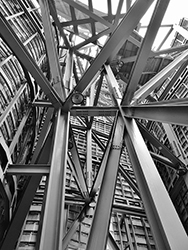
General liability protects against third‑party property damage, bodily injury, and personal injury claims. For steel erector contractors, this coverage is essential because construction work inherently involves job‑site hazards and operational risks that can lead to costly claims. Even with strong safety programs, accidents happen — general liability helps cover medical expenses and third‑party property repairs so a single event doesn't put your business at risk. Many contractors find that clients and subcontractors require proof of general liability before they will bid or sign contracts, so having a policy is often a practical business requirement.
Workers' Compensation and Professional Liability
Steel erectors are specially trained and expected to erect structures safely and professionally. If work is alleged to be performed incorrectly and a structure is compromised, you could face claims for repair or re‑erection costs. General liability helps, but it may not be enough on its own.
Workers' compensation insurance covers medical care and wage replacement for employees injured on the job. This coverage protects both workers and your business from potentially large medical and lost‑wage expenses after a work‑related accident. Professional liability (errors & omissions) covers allegations of design or workmanship mistakes — it can help with legal defense costs and covered judgment amounts if a claimant says you lacked the expertise to perform the job properly. For contractors who handle transport, equipment, or on‑site assembly, consider related coverages such as commercial auto exposure, equipment coverage, and property coverage to address other common exposures.
General Liability is Essential
Compared to other coverages, commercial general liability is often the first line of defense for third‑party claims in construction. It responds to many common exposures on job sites — for example, falling materials could injure a passerby or damage nearby property. Risk management practices (safety programs, site controls, and contract wording) can help reduce premiums and exposure, but underwriting factors such as payroll, project size, past loss history, and scope of work will influence cost and eligibility. Be aware of typical exclusions or limitations in policies (for example, certain professional acts, pollution, or contractual liabilities) and discuss where additional endorsements or separate policies may be needed.
Who typically needs this coverage? Contractors, subcontractors, erectors, and specialty trades involved in metal or iron erection often carry general liability along with workers' compensation and—when applicable—professional liability.
When shopping for coverage, review policy limits, per‑occurrence and aggregate limits, covered operations, and exclusions with your insurer. Ask about endorsements for equipment coverage, completed operations, and contractual liability to make sure the policy aligns with your contracts and project exposures. Insurance representatives can explain options and underwriting requirements so you can choose the right mix of coverages.
For a clear quote and to compare available options, contact a licensed insurance provider or broker who understands erection exposures, subcontractor relationships, and the underwriting factors that affect premiums and coverage.
Related Coverages
Frequently Asked Questions
Do I need both general liability and workers' compensation?
Yes—general liability covers third‑party claims for injury or property damage, while workers' compensation covers your employees' medical care and lost wages after work‑related injuries. Both are commonly needed for construction businesses.
Will general liability pay for mistakes in installation?
General liability typically covers accidental bodily injury or property damage, but claims alleging professional errors or faulty workmanship may be excluded or better handled by a professional liability policy. Check policy wording and consider professional liability if you provide design or technical services.
How do insurers determine my premium?
Underwriters look at factors such as payroll, annual revenue, types of work performed, project locations, safety record, and prior claims. Larger projects, higher risk operations, and adverse loss history generally raise premiums.
Still have questions? Talk to a local insurance expert.