When most people think of goods for sale, they think of what is available at their local store or market.

In reality, much inventory exists off store shelves — in transit, held in warehouses, or moving through multiple hands. Store inventory is typically covered by the retailer’s policy and shipments are often covered by the carrier, but goods sitting in a warehouse raise different ownership and risk questions.
Merchandise in a warehouse belongs to its owner, but while under a warehouse’s care the question of responsibility can be complicated.
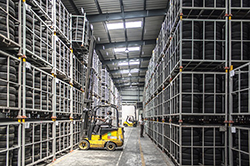
If a fire destroys a warehouse and the stored merchandise, who pays to replace those goods? Disputes can arise between owners, warehouse operators, and carriers. That is where specialized coverages — and clear contracts — matter. Many businesses review options such as
Warehouse General Merchandise Insurance and
General Warehousing and Storage Insurance to fill gaps and speed recovery.
In practice, warehouse merchandise insurance can provide immediate replacement value while responsibility is sorted out with other parties or carriers. Business interruption, property coverage, and commercial liability exposures are common concerns — particularly for retailers, manufacturers, distributors, and third‑party logistics providers. Warehouse operators should also consider equipment coverage and underwriting factors like storage conditions, fire protection, and security when evaluating policies. For related liability matters, many companies compare terms with
Warehouse General Liability Insurance to understand who is liable for third‑party losses.
A simple risk scenario: a warehouse fire that damages products awaiting shipment can interrupt supply chains and create immediate replacement and storage costs. Risk management steps include clear contracts that assign responsibility, documented inventory lists, and selecting insurers with claims experience for transportation risks and property damage.
Before buying coverage, check the insurer’s financial stability and the agent’s knowledge. You already have a link to get started — make sure you work with a reputable firm and an experienced agent to confirm policy limits, deductibles, and any exclusions. Coverage language can vary, so pay attention to exclusions, transit coverage, and any conditions tied to storage practices.
Frequently Asked Questions
Frequently Asked Questions
Who is typically responsible for merchandise stored in a third‑party warehouse?
Legal ownership usually remains with the consignor, but contractual terms and insurance policies determine who bears loss. Responsibility can shift depending on custody terms, bills of lading, and warehouse receipts.
What does warehouse general merchandise insurance usually cover?
It commonly covers physical loss or damage to goods in storage, often including replacement cost and sometimes business interruption, subject to policy limits and exclusions. Review policy language for transit coverage and named perils.
How can I verify an insurer or agent before buying coverage?
Check the insurer’s financial ratings, read policy sample forms, and confirm the agent’s experience with warehouse and logistics exposures. Ask for references and claims examples where possible.
Still have questions? Talk to a local insurance expert.