
The recent trend for many Americans is moving away from single-family homes into apartments and condominiums. Rising ownership costs and increased owner liability are part of the reason. Apartment complexes and condos frequently offer little extra storage, so as households shrink in size, demand for self-storage grows. Self-storage facilities are becoming a long-term necessity and will likely increase in popularity as urban living continues to expand.
Owning a self-storage facility can be an attractive business opportunity for investors and entrepreneurs. After making the initial investment, the next step is protecting that asset. Insurers often sell bundled policies that look cost-effective, but those cookie‑cutter packages can leave gaps or under-insure key exposures. Consider underwriting factors, exclusions, and customer communications when comparing quotes—sometimes the cheapest option increases long-term risk. The cheapest option isn’t always the best when your livelihood depends on the business.
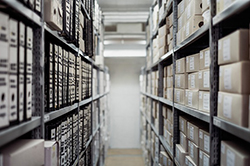
Self‑Storage Warehouse Liability Insurance deserves careful attention when deciding on coverage. According to
Inside Self Storage (ISS), facility owners face a range of liability exposures—from customer claims for damaged goods to claims tied to maintenance failures or theft. Even when rental contracts require customers to insure their items, a customer can still claim negligence if a maintenance problem caused damage. For more on owner liability and contract considerations, see
Self-Storage Insurance and Liability for Facility Owners. Consider commercial liability, property coverage, equipment coverage, and risk management practices together to reduce exposures.
Most small facilities start with a single owner-operator and grow as demand increases, creating staffing needs and payroll exposures. Every state has its own requirements about workers compensation insurance for employees. Make sure you carry the right Warehouse Self‑Storage Employees Workers Compensation Insurance for your operations. A single workplace injury can generate substantial direct and indirect costs—medical bills, lost time, and administrative expenses—so workers comp is a practical protection for owners, managers, and staff. For an overview of storage-related operational risks and disaster exposures, review
Self Storage Risks (Mini-Warehouses).
Insurance companies use class codes to identify specific work divisions and estimate workers compensation premiums. The class code for Warehouse Self‑Storage Workers Compensation is
8290. Under this classification there is a NAICS code
531130. For more about workers compensation coverage tailored to storage businesses, see
Self Storage Warehouse Workers Compensation.
When evaluating coverage, consider these related factors: underwriting factors (location, claims history), exclusions (flood or earthquake often excluded), commercial auto exposure for delivery or pickup, theft and vandalism protections, and proactive risk management (regular maintenance, security systems, fire suppression). Risk scenario: a severe storm causing a leaky roof can damage multiple customers’ stored goods and trigger negligence claims if maintenance was neglected. Typical purchasers of this coverage include facility owners, on-site managers, and property managers operating self-storage or mini-warehouse facilities.
Protection is important for self-storage facility owners—this business is often a personal investment and a long-term plan. Review your liability, property, workers compensation, and equipment coverage together so your policy aligns with the real exposures at your site. Have the proper insurance protection in place to protect your investment and your customers.
Frequently Asked Questions
Who typically needs Warehouse Self‑Storage Workers Compensation insurance?
Owners, on-site managers, and any business that employs staff at a self-storage facility typically need workers compensation to cover workplace injuries and related costs.
Does a customer rental agreement remove my liability?
No. While rental contracts can shift responsibility for stored items, customers can still allege negligence (for example, due to maintenance failures). Liability coverage remains important.
Are natural disasters covered automatically?
Not always. Standard policies commonly exclude certain perils like floods and earthquakes; ask an insurer about endorsements or separate policies for these risks.
Still have questions? Talk to a local insurance expert.