Whether you work for or own a welding or metal fabrication business, you must be painfully aware of the occupational hazards of your chosen profession. Your specific work environment is filled with risks as it involves volatile and inflammable gases, electricity and molten metal. Employees are exposed to an array of job-site hazards that could lead to injury or even death. You are going to need some kind of welding contractor insurance. For details on tailored policies, see Welding and Cutting Workers' Compensation Insurance.
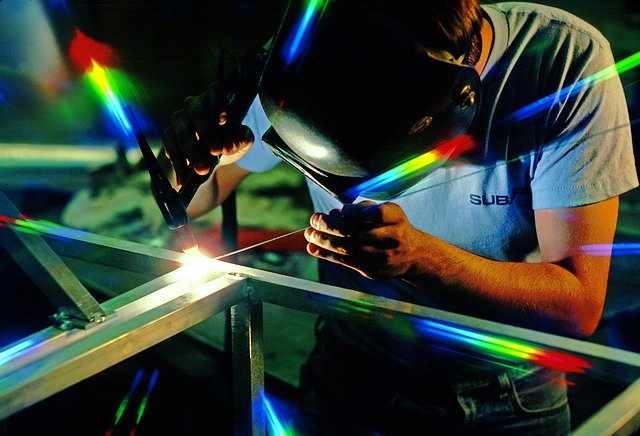
A Welding or Cutting Workers Compensation Insurance (Worker’s Comp Insurance) is mandatory in most states and we strongly recommend it for your business. Welding, cutting and brazing are dangerous activities that expose welders to both health and safety hazards at the workplace.
Some health and safety hazards that welders & cutters are exposed to at the workplace include:
- - Exposure to toxic chemicals and fumes, increasing the risk of respiratory illnesses such as occupational asthma and long-term conditions.
- - Injuries from falls, explosions, asphyxiation and electrocution that can cause permanent disability or death.
- - Hand-arm vibration syndrome (HAVS) from prolonged use of power tools.
- - Eye injuries such as flash burn or “welder’s flash.”
- - Underwater welding risks such as drowning and differential pressure hazards.
Benefits of a Worker’s Comp Insurance
A Worker’s Comp Insurance protects employers from claims raised by employees seeking compensation for injuries or illnesses that arise out of and in the course of employment.
Medical Care Coverage
- Employees receive medical benefits for treatment of work-related injuries or illnesses.
- Benefits may include compensation for a portion of lost income while an employee recovers.
Temporary or Permanent Disability Coverage
If recovery takes months or longer, disability coverage will pay for ongoing medical care and a portion of lost wages during that period.
Other Benefits
- Job retraining if an employee is unable to return to their pre-injury position.
- Death benefits to the family if a worker dies on the job.
A Welding or Cutting Workers Comp Insurance is necessary even for small businesses. Medical treatment for an injured employee or settlement of claims can be expensive. In states where Worker’s Comp is mandatory, failure to purchase coverage could result in penalties. Small contractors and shop owners often also consider related coverage such as commercial general liability, equipment coverage and commercial auto exposure to manage broader liability and property risks; underwriting factors like payroll, class codes and claims history will influence cost and eligibility. For contractor-specific guidance, review Welding Contractors Workers Compensation.
Accidents can happen at any time — for example, a dropped torch can cause a small fire that injures a worker and damages nearby equipment — so make sure your business and employees are protected with a suitable worker’s comp insurance. Good risk management practices such as regular equipment maintenance, proper ventilation, PPE, and training reduce exposures and may help lower premiums.
Frequently Asked Questions
Is Worker’s Compensation required for welding businesses?
Requirements vary by state, but Worker’s Compensation is mandatory for most employers. Check state rules and consult with an agent to confirm your obligations.
What injuries does welding Worker’s Comp typically cover?
It generally covers medical treatment and wage replacement for work-related injuries and illnesses, including burns, respiratory conditions, eye injuries, and certain long-term disabilities.
Do small shops need additional coverages?
Many small welding shops also buy commercial general liability, equipment coverage, and commercial auto insurance to cover non-workers’ comp exposures like third-party injury, property damage, and vehicle incidents.
Still have questions? Talk to a local insurance expert.