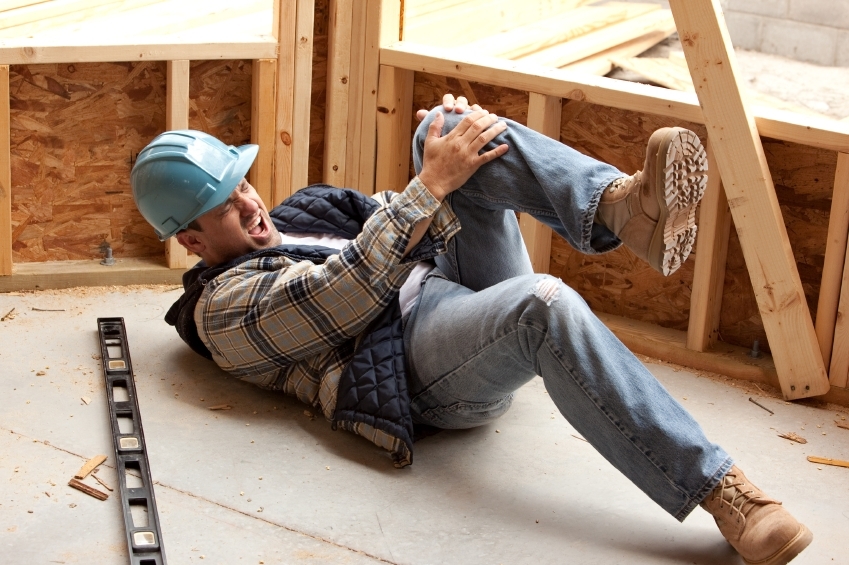
 According to officials at ITT Hartford, there are steps that can be taken to reduce injuries on the job:
Strain and Sprains
- Modify job procedures to eliminate physical lifting.
- Use mechanical and other lifting devices wherever possible.
- When physical lifting is necessary, divide heavy, bulky loads into lighter, smaller loads.
- Bend knees-instead of your back-when picking up loads. (When you bend over to lift even a light object, your back muscles lift the weight of your entire upper body to return you upright.)
- Carry loads close to your body.
- Do not turn or twist abruptly when lifting.
- Prevent back strain by sliding loads from one surface to another with the same elevation. An adjustable-height dolly can help.
- Wear back belts, but first make sure to get training on their proper use.
Objects Striking Workers
- Operate and load fork lifts and other moving equipment carefully, making sure the freight doesn't inhibit vision or obstruct walkways.
- Eliminate blind intersections by hanging safety mirrors in aisle ways, corners and other hard-to-see areas.
- Wear hard hats in construction areas where there are moving objects and equipment.
Machinery-Related Injuries
- Keep safeguard devices in place and operational.
- Institute and use lock-out/tag-out procedures when performing maintenance and retooling.
- Wear protective equipment, including gloves and safety glasses, when appropriate.
Motor Vehicle Accidents
- Wear seat belts.
- Leave a two-second space cushion between your vehicle and those in front.
- Prevent nighttime glare by cleaning the inside of the windshield.
- Inspect all vehicles for safety defects, and repair defects promptly.
- Use vehicles equipped with airbags and other safety equipment.
Eye Injuries
- Keep floors clean to minimize the potential of airborne contaminants flying into employee's eyes.
- Wear protective eye glasses in areas having dust, metal, water and other airborne particles.
Slips and Falls
- Keep floors, stairways and other walking surfaces clear of electric cords, loose rugs and other tripping hazards.
- Clean spills immediately.
- Wear non-slip shoes when working on slippery floors.
- Paint stairs, curbs and ramps in bright, contrasting colors.
- Keep aisles clear of materials and debris.
- Illuminate all walkways, stairways and other walking surfaces.
Repetitive Motion Injuries
- Adjust workstations to 'ergonomically fit', i.e., uncomfortable working positions are a sign of future injury.
- Take periodic rest breaks.
- Rotate job tasks.
- Minimize forceful and strenuous activities such as gripping, lifting, pushing and pulling.