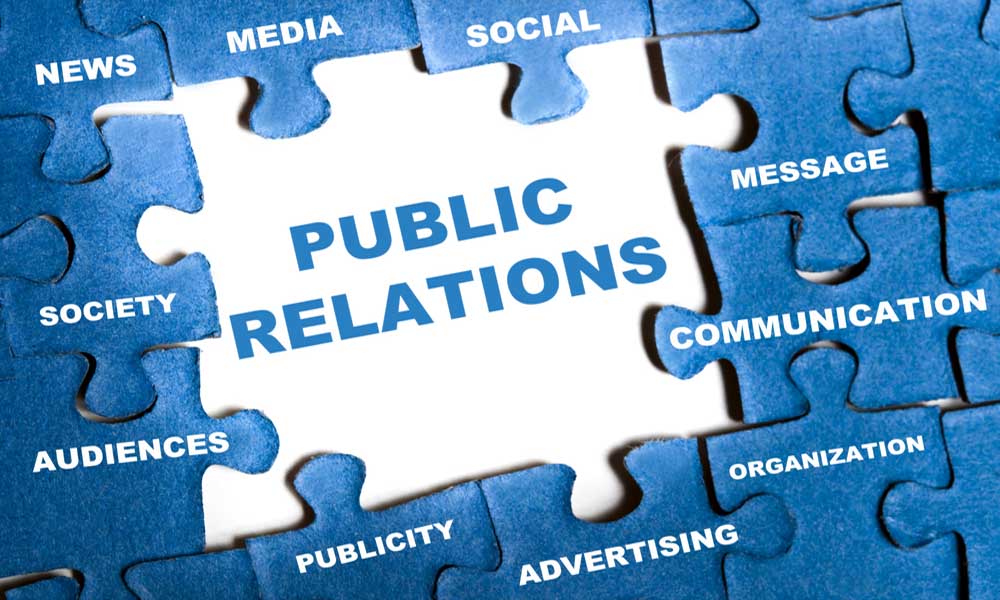
 Public relations is all about credibility, without which you have little chance of getting your message across. In this document, Michael Maynard asks you to ask yourself, 'Would I buy it?'
A public relations campaign that succeeds is the result of a message that makes sense to its intended audience. If there’s no substance, there’s no staying power. Before you embark on a PR campaign, take time to hone your message. How do you know if your message will resonate or even get through the 'gatekeepers' (editors and reporters)? Ask yourself these questions and then evaluate your answers. If you don’t buy them, chances are the public won’t either.
WHO IS OUR AUDIENCE?
The answer is not 'the general public.' Target your message to get the most bang for your dollars. When you make your message all things to all people, chances are that most everyone will miss it. Targeting the message to specific demographic segments greatly improves your chances of being heard.
WOULD I CARE ABOUT THE MESSAGE?
Put yourself in the mind of your targeted audience. Would a person in this audience care about your news release? Be honest. Try it on a focus group or test it among people that you know who fit the profile. Too often, we get so caught up in the hype of what we’re doing that we forget about the target. Focusing on the benefits of a particular product for the audience, rather than the product itself, will greatly improve the positive reaction it receives in the marketplace.
DOES IT MAKE SENSE TO ME?
You and your colleagues might know the ins and outs of your particular campaign, cause, or product. But what about the person on the receiving end? Read through your materials to ensure that your message is clear. If you’re aiming for a consumer audience, make sure that you haven’t introduced too much technical, insider language. If you’re targeting a select group within an industry, make sure it’s tailored to this group with the technical information and/or specifications that they’ll appreciate.
HAVE I MADE THE CASE TO THE MEDIA?
Read your press release and other supporting materials intended for the media. Does it read like an advertisement? If so, it stands little chance of being published or broadcast. When you call to inquire about its status, you might be told to take out an ad. Focusing on something unique and its benefits to the readers gives you an edge in a crowded field. Reporters love human-interest stories. Can you personalize your release to demonstrate how the message or product has affected someone in the community?
IS THE MESSAGE CONSISTENT WITH THE ADVERTISING?
An ad campaign linked with the PR campaign allows you to transmit your message in different ways using different media, to create greater awareness and credibility. But make sure that the messages complement each other. When the messages are muddled, the advertising and public relations components cancel each other out, negating any positive effects.
HAVE I IDENTIFIED THE PROPER SPOKESPEOPLE?
Who within your company are you making available to talk about your message? Prepare them in advance to answer questions about the message. Make sure that they’re comfortable in delivering the correct message and answering questions.
AM I FORGETTING ANYTHING?
When creating your media plan, remember that there are more outlets than newspapers and electronic media. What other ways can you reach your intended audience? What about industry trade publications? Are there certain Web sites that your audience might check out? Might public events or a press conference enhance the message? Plan these components in advance of the message’s release.
HAVE I DEVELOPED A PLAN?
Planning your public relations campaign is the best way to keep yourself from being caught off-guard. Plan as far as possible in advance of the message’s release to ensure that you receive maximum benefit.
The common theme in all of these questions is clear: Does it make sense in your gut? If you know you’re trying to put something over on someone — whether it’s a group of reporters or customers — you won’t get away with it. Only when your message makes sense to you will you be able to communicate it clearly and effectively to others.